エピソード

  • CGM-Guided Insulin Initiation and Titration in Type 2 Diabetes
    2026/09/28

    Managing type 2 diabetes can change over time, but having the right information for your patients can make those changes feel a lot more manageable. CGM can help your patients see what’s happening with their blood sugar and guide what comes next.


    In this episode of the TCOYD Podcast, Dr. Steve Edelman and Dr. Jeremy Pettus discuss how continuous glucose monitoring is changing the way type 2 diabetes is managed for your patients, especially as treatment needs evolve over time. They explain why type 2 diabetes can progress from lifestyle changes and oral medications to GLP-1 therapies and insulin, and why needing insulin isn’t a personal failure. They also explore how seeing glucose data in real time can help your patients better understand how meals, exercise, medications, and insulin affect their glucose throughout the day.
    The conversation gets practical with how CGM can help guide your patients’ transition to basal insulin, make insulin adjustments easier and safer, and identify when mealtime insulin may be needed. Dr. Edelman and Dr. Pettus explain what overnight glucose patterns can tell you about your patients’ basal insulin dose, how to recognize post-meal spikes, and why starting mealtime insulin doesn’t necessarily mean adding injections at every meal for your patients. They also discuss newer basal insulins, avoiding too much basal insulin, and how automated insulin delivery systems may fit into the future of type 2 diabetes management.
    Ultimately, CGM gives your patients living with type 2 diabetes more than glucose numbers. It provides feedback that can help them recognize patterns, see how their treatment is working, and work with their healthcare team to make more informed adjustments as their diabetes management needs change.

    Key Topics

    • Why type 2 diabetes treatment needs can change over time
    • How insulin resistance and declining insulin production affect glucose management
    • Why needing insulin is not a personal failure
    • How CGM use is expanding in type 2 diabetes
    • Using CGM with lifestyle changes, oral medications, GLP-1 therapies, and insulin
    • What time in range, GMI, and glucose variability can tell you
    • How CGM can help determine when basal insulin may be needed
    • Using overnight glucose patterns to adjust basal insulin
    • Why insulin titration matters more than the initial starting dose
    • How CGM can make insulin adjustments easier and safer
    • When mealtime insulin may be needed
    • Why mealtime insulin doesn’t always have to be taken with every meal
    • How to recognize and avoid too much basal insulin
    • The benefits of newer long-acting basal insulins
    • When patients with type 2 diabetes may want to consider an insulin pump or automated insulin delivery system
    • How real-time glucose feedback can help people take a more active role in their diabetes management

    Subscribe for practical diabetes management tips, expert conversations, and the latest advances in diabetes care to help people living with diabetes live healthier, more confident lives.

    ★ Support this podcast ★
    続きを読む 一部表示
    34 分
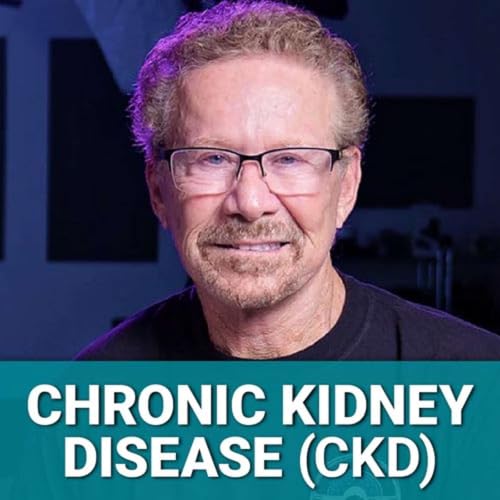
  • Kidney Disease: Steve Edelman's Own Nephrologist Explains
    2026/09/08

    Chronic kidney disease (CKD) is one of the most common complications of diabetes, but here’s the tricky part: you can have it for years without feeling any symptoms. The good news? Kidney disease can often be detected early, and with the right screening, treatments, and lifestyle changes, its progression can be dramatically slowed.

    In this episode, Dr. Steve Edelman and Dr. Jeremy Pettus are joined by nephrologist Dr. Bethany Karl to break down what everyone with diabetes should know about kidney health. Dr. E also steps into the patient seat to share his own experience living with chronic kidney disease, from discovering it without symptoms to navigating kidney tests and newer treatments. Together, they explain the two simple tests that can uncover kidney problems, why blood pressure and cardiovascular health matter, and how today’s growing toolbox of medications is giving people with diabetic kidney disease more reasons for hope.


    Key Topics:

    • Why chronic kidney disease is often a “silent” complication of diabetes
    • How diabetes can affect the kidneys over time
    • Dr. Edelman’s personal experience with diabetic kidney disease
    • The two important kidney tests: eGFR and UACR
    • Why urine protein can be an important early warning sign
    • How often people with diabetes should have their kidneys screened
    • The connection between glucose, blood pressure, cholesterol, heart health, and kidney health
    • Lifestyle considerations for protecting kidney function
    • Medications that can help slow the progression of diabetic kidney disease
    • Newer kidney-protective therapies and why there is more reason for optimism today

    ✨ Subscribe for practical diabetes management tips, technology updates, and treatment breakthroughs that help people with diabetes live healthier, more flexible lives.

    More diabetes resources:
    Website: tcoyd.org
    Blog: tcoyd.org/blog
    Podcast: tcoydthepodcast.transistor.fm
    Instagram: / tcoyd
    Facebook: / tcoyd

    Stay connected! Sign up for our monthly newsletter here!
    Support TCOYD's educational programs: tcoyd.org/donate


    ★ Support this podcast ★
    続きを読む 一部表示
    48 分
  • What Happens When Menopause Meets Diabetes
    2026/08/25

    Hot flashes, blood sugar swings, brain fog... is it menopause, diabetes, or both?


    In this episode of the TCOYD Podcast, Dr. Steve Edelman is joined by renowned menopause expert Dr. Cindy Stuenkel, endocrinologist and Professor Emerita at UC San Diego, for an insightful conversation about how menopause affects women living with diabetes. Together, they explain why menopause is much more than a normal stage of aging. It's a major metabolic transition that can influence blood sugar management, insulin resistance, heart health, sleep, mood, and overall quality of life.

    The conversation explores what actually happens during perimenopause, menopause, and postmenopause, why hormonal fluctuations can make glucose management more challenging, and how continuous glucose monitoring can help distinguish hot flashes from hypoglycemia. Dr. Edelman and Dr. Stuenkel also discuss the latest evidence on hormone replacement therapy, newer non-hormonal treatment options, the importance of protecting heart health, and practical strategies to help women navigate this stage of life with greater confidence. Whether you're living with type 1 or type 2 diabetes, approaching menopause, currently experiencing it, or supporting someone who is, this episode provides practical guidance and evidence-based information to help you feel more prepared.

    Key Topics:

    • What is perimenopause, menopause, and postmenopause?
    • How hormonal changes affect blood sugar and insulin resistance
    • Why menopause can increase glucose variability in women with diabetes
    • The difference between hot flashes and hypoglycemia
    • How continuous glucose monitoring can help during menopause
    • Metabolic changes that occur during the menopause transition
    • Why cardiovascular risk increases after menopause
    • The connection between menopause, weight gain, and abdominal fat
    • GLP-1 medications and menopause
    • The latest recommendations on hormone replacement therapy
    • New non-hormonal treatments for hot flashes
    • Sleep, mood, brain fog, and quality of life during menopause
    • Heart health strategies for women living with diabetes
    • How partners can better support someone going through menopause
    • Trusted menopause resources and when to seek medical care

    ✨ Subscribe for practical diabetes management tips, technology updates, and treatment breakthroughs that help people with diabetes live healthier, more flexible lives.

    More diabetes resources:
    Website: tcoyd.org
    Blog: tcoyd.org/blog
    Podcast: tcoydthepodcast.transistor.fm
    Instagram: / tcoyd
    Facebook: / tcoyd

    Stay connected! Sign up for our monthly newsletter here!
    Support TCOYD's educational programs: tcoyd.org/donate

    ★ Support this podcast ★
    続きを読む 一部表示
    42 分
  • LADA: Why So Many Adults Are Misdiagnosed With Type 2 Diabetes
    2026/08/10

    Have you or someone you know been diagnosed with type 2 diabetes, only to discover later it was actually type 1? You're not alone.


    In this episode of the TCOYD Podcast, Dr. Steve Edelman is joined by Dr. Schaefer Boeder, endocrinologist, Medical Director of Paradigm Research, Associate Professor at UCSD, for an eye-opening discussion about LADA (Latent Autoimmune Diabetes in Adults)—one of the most commonly misdiagnosed conditions in diabetes. Together, they explain why so many adults are initially misdiagnosed with type 2 diabetes despite the warning signs that should raise suspicion for LADA, and why getting the correct diagnosis can dramatically change treatment and long-term outcomes.

    The conversation explores how LADA differs from both classic type 1 and type 2 diabetes, why the autoimmune process develops more slowly, and when antibody testing should be considered. Dr. Edelman and Dr. Boeder also discuss the importance of preserving beta cell function, the role of continuous glucose monitoring, advances in disease-modifying therapies, and why there has never been a more exciting time for research in adults who developed type 1 diabetes later in life. Whether you've been diagnosed with LADA, care for someone who has, or simply want to better understand adult-onset autoimmune diabetes, this episode provides practical guidance and hope for more accurate diagnoses in the future.


    Key Topics:

    • What is LADA (Latent Autoimmune Diabetes in Adults)?
    • Why LADA is so often mistaken for type 2 diabetes
    • Common signs that may point to a misdiagnosis
    • How LADA differs from classic type 1 and type 2 diabetes
    • Why many adults don't fit the "typical" diabetes profile
    • Autoantibody testing and when it should be considered
    • The role of GAD antibodies and C-peptide testing
    • Why preserving beta cell function matters
    • Preventing diabetic ketoacidosis (DKA) through earlier diagnosis
    • How continuous glucose monitoring can ease the transition to insulin
    • Current treatment approaches for adults with LADA
    • The latest research on disease-modifying therapies and preserving insulin production
    • Screening resources, clinical trials, and where the future of LADA research is headed

    ✨ Subscribe for practical diabetes management tips, technology updates, and treatment breakthroughs that help people with diabetes live healthier, more flexible lives.

    More diabetes resources:
    Website: tcoyd.org
    Blog: tcoyd.org/blog
    Podcast: tcoydthepodcast.transistor.fm
    Instagram: / tcoyd
    Facebook: / tcoyd

    Stay connected! Sign up for our monthly newsletter here!
    Support TCOYD's educational programs: tcoyd.org/donate

    ★ Support this podcast ★
    続きを読む 一部表示
    38 分
  • Decoding Type 1 Diabetes: Beta Cells, Autoantibodies, and Early Detection
    2026/07/28

    In this episode, Dr. Steve Edelman and Dr. Jeremy Pettus are joined by Dr. Shara Bialo, Senior Medical Director of Type 1 Diabetes Immunology at Sanofi, pediatric endocrinologist, and person living with type 1 diabetes, for an in-depth discussion about what happens before type 1 diabetes is diagnosed. Together, they explore the autoimmune process that begins months or even years before symptoms appear, why early detection matters, and how screening is changing the future of type 1 diabetes care.

    Dr. Bialo shares her personal diagnosis story, discusses common misconceptions about what causes type 1 diabetes, and explains the three stages of the disease. The conversation also covers who should be screened, how diabetes autoantibody testing works, the benefits of preserving beta cell function, and why identifying people before they develop symptoms can lead to better long-term outcomes and fewer cases of diabetic ketoacidosis (DKA). Whether you have type 1 diabetes, have a family member at risk, or simply want to better understand the latest advances in prevention and early detection, this episode provides valuable insights into one of the fastest-moving areas of diabetes research.

    Key Topics:

    • Dr. Shara Bialo's personal journey living with type 1 diabetes
    • Why type 1 diabetes is an autoimmune disease, not simply a blood sugar problem
    • The role of genetics, viral infections, and the immune system
    • Understanding the three stages of type 1 diabetes
    • Why most people diagnosed with type 1 diabetes have no family history
    • Adult-onset type 1 diabetes and why it is often mistaken for type 2 diabetes
    • What diabetes autoantibodies are and how screening works
    • Who should consider screening for type 1 diabetes
    • Available screening options, including blood tests and home screening kits
    • The emotional challenges families face when considering screening
    • The importance of preventing diabetic ketoacidosis through early detection
    • Why preserving beta cell function can improve long-term outcomes
    • Italy's national screening program and the future of population-wide screening
    • Resources available through screenfortype1.com

    This content was produced with support from Sanofi and screenfortype1.com.


    ✨ Subscribe for practical diabetes management tips, technology updates, and treatment breakthroughs that help people with diabetes live healthier, more flexible lives.

    More diabetes resources:
    Website: tcoyd.org
    Blog: tcoyd.org/blog
    Podcast: tcoydthepodcast.transistor.fm
    Instagram: / tcoyd
    Facebook: / tcoyd

    Stay connected! Sign up for our monthly newsletter here!
    Support TCOYD's educational programs: tcoyd.org/donate

    ★ Support this podcast ★
    続きを読む 一部表示
    37 分
  • Raising Kids with Type 1 Diabetes: Practical Advice Every Parent Needs with Raquel Baron
    2026/07/14

    In this episode of the TCOYD Podcast, Dr. Steve Edelman is joined by Raquel Baron, founder of Type One Together, to discuss the challenges, triumphs, and everyday realities of raising a child with type 1 diabetes. Diagnosed herself at age five, Raquel combines her lived experience with years of supporting families through Type One Together, an organization that provides trusted resources, educational programs, and a nationwide network of trained babysitters for children with type 1 diabetes.

    Together, Dr. Edelman and Raquel explore the emotional side of diabetes that often goes beyond blood sugars. They discuss helping children navigate school, sports, friendships, burnout, and growing independence, while giving parents practical strategies to reduce fear, build confidence, and create a healthier relationship with diabetes. The conversation also covers diabetes technology, social media, Afrezza for children, community support, and why perfection should never be the goal.

    Whether you’re the parent of a newly diagnosed child or have been managing type 1 diabetes for years, this episode offers practical advice, reassurance, and reminders that children with diabetes can live full, active lives.

    ✨ Subscribe for practical diabetes management tips, technology updates, and treatment breakthroughs that help people with diabetes live healthier, more flexible lives.

    More diabetes resources:
    Website: tcoyd.org
    Blog: tcoyd.org/blog
    Podcast: tcoydthepodcast.transistor.fm
    Instagram: / tcoyd
    Facebook: / tcoyd

    Stay connected! Sign up for our monthly newsletter here!
    Support TCOYD's educational programs: tcoyd.org/donate

    ★ Support this podcast ★
    続きを読む 一部表示
    33 分
  • Inhaled Insulin Just Got FDA-Approved for Kids With Type 1
    2026/06/29

    In this episode of the TCOYD Podcast, Dr. Steve Edelman is joined by pediatric endocrinologist Dr. Anna Cymbaluk, along with Philip and his father Jim, to discuss the recent FDA approval of Afrezza inhaled insulin for children and adolescents living with type 1 diabetes. Dr. Cymbaluk served as an investigator on the INHALE-1 trial, while Philip participated in the study himself, providing a unique real-world perspective on what it is like to transition from injections to inhaled insulin, and Philip’s dad, Jim provided the parent perspective as well as addressed parental concerns that might have arisen.

    The conversation focuses on the INHALE-1 study and the unmet challenges that continue to exist around mealtime insulin dosing in pediatric diabetes care. Dr. Cymbaluk reviews the trial design, glucose outcomes, safety data, patient satisfaction findings, and the practical realities of introducing inhaled insulin into everyday diabetes management. Philip and Jim share how Afrezza impacted school, sports, social situations, and the day-to-day burden of diabetes, particularly around pre-bolusing, corrections, and avoiding multiple injections throughout the day.
    Dr. Edelman and Dr. Cymbaluk also explore how Afrezza is dosed, how inhaled insulin differs from injected insulin, who may be a good candidate, and where it may fit alongside pumps and automated insulin delivery (AID) systems. For families looking for more flexibility, fewer mealtime barriers, and another option in the diabetes toolbox, this episode provides an honest look at the benefits, limitations, and real-world experience of inhaled insulin in children and teens.


    Key Topics
    • The FDA approval of Afrezza for children and adolescents living with type 1 diabetes
    • The design and results of the INHALE-1 pediatric clinical trial
    • Patient satisfaction and quality-of-life outcomes from the study
    • The challenges of pre-bolusing and mealtime insulin management in children and teens
    • How inhaled insulin compares to traditional mealtime injections
    • Dosing strategies, cartridge sizes, and insulin conversion considerations
    • Using Afrezza for corrections, meals, and post-meal dosing
    • The role of continuous glucose monitoring (CGM) when using inhaled insulin
    • Safety findings, lung-function monitoring, and cough management
    • Who may be a good candidate for Afrezza—and who may not be
    • Benefits for active children, athletes, and those participating in sports
    • Social situations, injection avoidance, and reducing the burden of diabetes management
    • Using Afrezza alongside insulin pumps and automated insulin delivery (AID) systems
    • The importance of having more treatment options to individualize diabetes care

    Supported by an unrestricted educational grant from MannKind Corporation


    Subscribe for practical diabetes management tips, technology updates, and treatment breakthroughs that help people with diabetes live healthier, more flexible lives.

    More diabetes resources:
    Website: tcoyd.org
    Blog: tcoyd.org/blog
    Podcast: tcoydthepodcast.transistor.fm
    Instagram: / tcoyd
    Facebook: / tcoyd
    Stay connected! Sign up for our monthly newsletter here!
    Support TCOYD's educational programs: tcoyd.org/donate

    ★ Support this podcast ★
    続きを読む 一部表示
    32 分
  • Inhaled Insulin for Kids: Inside the INHALE-1 Trial
    2026/06/15


    In this episode of the TCOYD Podcast, Drs. Edelman and Pettus are joined by pediatric endocrinologist Dr. Jamie Wood, medical director of pediatric diabetes at Rainbow Babies & Children's Hospital and an investigator on the INHALE-1 trial, to discuss inhaled insulin in children and its place in pediatric practice.


    The conversation centers on the recent approval of Afrezza down to age six and what INHALE-1 actually demonstrated. Dr. Wood walks through the trial design, the A1C analysis, the FEV1 and pulmonary safety data, the weight and BMI findings, and the practical mechanics of dosing in a pediatric population. Rather than framing it as a replacement for injections or automated insulin delivery (AID), the discussion focuses on where this option fits, from the needle-averse newly diagnosed patient, to the teen trying to bolus discreetly during a 20-minute lunch period.

    Drs. Edelman, Pettus, and Wood also get into the clinical realities that shape real-world use: the 2:1 to 3:1 conversion versus subcutaneous insulin, the set-dose cartridges and how they reframe carb counting, a refined titration approach, side effects, and how inhaled insulin can be layered alongside pumps and AID. For a population where mealtime bolusing remains one of the most stubborn unmet needs, it is a grounded look at a new tool and the patients it may help most.


    Key Topics

    • The recent approval of inhaled insulin for children as young as six
    • How the INHALE-1 pediatric trial was designed
    • A1C results and what the primary endpoint analysis showed
    • Continuous glucose monitor (CGM) metrics across the two groups
    • Lung-function (FEV1) monitoring and pediatric safety
    • Weight and body mass index (BMI) findings
    • Why mealtime dosing is a leading unmet need in pediatric type 1 diabetes (T1D)
    • The set-dose cartridge approach and how it reframes meal sizes
    • A real-world titration method for inhaled insulin
    • Managing cough and other practical considerations
    • Needle phobia and the kids who struggle most with injections
    • Using inhaled insulin alongside automated insulin delivery (AID) systems
    • What's coming next, including a smaller cartridge dose and a new-onset trial

    This episode is supported by an unrestricted educational grant from MannKind Corporation.


    Subscribe for practical diabetes management tips, technology updates, and treatment breakthroughs that help people with diabetes live healthier, more flexible lives.

    More diabetes resources:
    Website: tcoyd.org
    Blog: tcoyd.org/blog
    Podcast: tcoydthepodcast.transistor.fm
    Instagram: / tcoyd
    Facebook: / tcoyd
    Stay connected! Sign up for our monthly newsletter here!
    Support TCOYD's educational programs: tcoyd.org/donate

    ★ Support this podcast ★
    続きを読む 一部表示
    45 分