• 67. Food vs. Supplements: Why Your Body Knows the Difference
    2026/08/28

    Are you getting real nutrition, or just expensive synthetic substitutes?

    In this episode of Walk, Don't Run to the Doctor, Miles Hassell MD breaks down the critical differences between the complex nutrients found in whole, unprocessed foods and the isolated, laboratory-made chemicals found in popular vitamins. Discover why standard lab test markers can be highly misleading, when targeted supplementation is actually medically necessary, and how to protect your health and budget from aggressive wellness industry marketing.

    Dr. Hassell also explores why improving a number on a lab test isn't necessarily the same as improving your health, and why fundamentals such as eating whole foods, exercising, maintaining a healthy weight, and getting outside may matter far more than expensive supplements and testing.

    Key Takeaways:

    • Most nutritional supplements are synthetic rather than truly "natural."
    • Nutrients consumed as part of whole foods come with a complex combination of other compounds that can affect how the body uses them.
    • Supplements aren't automatically safe simply because they're labeled as nutritional or natural.
    • There are specific situations where supplements can be useful, such as vitamin B12 supplementation for people who cannot absorb B12 properly.
    • The evidence supporting many common supplements, including calcium, vitamin D, and antioxidant supplements, is not as strong as supplement marketing may suggest.
    • Recommended daily allowances are based on limited nutritional knowledge and don't account for important differences between individuals.
    • Be cautious about lab tests that recommend supplements based on a single measurement or biomarker.
    • Improving a lab value isn't necessarily the same thing as reducing your risk of dementia, heart disease, diabetes, or cancer.
    • Whole, unprocessed foods, regular exercise, maintaining a healthy weight, and spending time outside remain the foundation of good health.
    • Consider who profits from the supplements or testing being recommended and whether there is evidence that the intervention actually improves health outcomes.

    Chapters:
    00:00 Why nutritional knowledge is limited
    00:13 Welcome to Walk, Don't Run to the Doctor
    00:43 Do you need nutritional supplements?
    01:00 Are supplements really natural?
    01:32 Where vitamins and minerals come from
    01:58 How "natural" vitamin C can be misleading
    02:26 Are synthetic supplements effective?
    03:09 Why nutrients from food are different
    03:48 Why whole foods may be better than supplements
    04:31 What does the research say about supplements?
    05:20 When supplements may actually be useful
    05:45 Vitamin B12, calcium, vitamin D and antioxidants
    06:10 Look closely at the evidence
    06:26 The "depleted soil" argument
    07:00 Do you need supplements based on nutrition labels?
    07:47 The limitations of recommended daily allowances
    08:23 Why nutrient absorption varies
    09:25 Focus on whole foods and healthy habits
    09:35 Follow the money in the supplement industry
    10:09 Be skeptical of supplement-related lab testing
    10:38 Microbiome testing and supplements
    11:03 Whole foods and a healthier microbiome
    11:43 Are we keeping the main thing the main thing?
    12:02 What actually improves health outcomes?
    12:26 Final thoughts

    Do you have a health or nutrition question for Dr. Hassell?

    Reach out to us: Web: GreatMed.org

    Call/Text: 503-773-0770 Email: info@GreatMed.org

    Mail: 4804 NW Bethany Blvd., Suite I-2, #273, Portland, OR 97229

    This podcast is fully funded by our generous listeners. Support our mission at GreatMed.org/donate (EIN: 88-326-7056)

    Get your copy of Good Food Great Medicine, 4th ed.: https://a.co/d/1D6hIYM

    #Nutrition #Supplements #WholeFoods #Health #PreventiveMedicine

    #WholeFoods #NutritionScience #SupplementTruths

    続きを読む 一部表示
    13 分
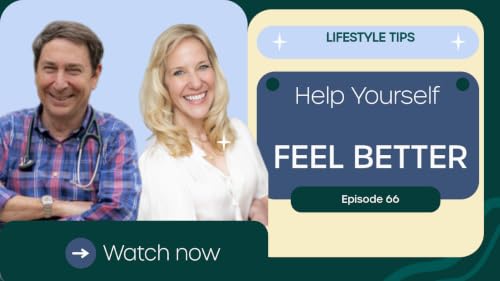
  • 66. Depression & Anxiety: Lifestyle Changes That Can Work Better Than Medication
    2026/08/15

    Can depression and anxiety be improved without relying solely on medication? In this episode of Walk, Don't Run to the Doctor, Miles Hassell MD is joined by clinical psychologist Dr. Traci Rieckmann to explore the growing evidence behind lifestyle medicine for mental health.

    Together they discuss why nutrition, exercise, purpose, social connection, sunlight, and reducing screen time may be just as important—if not more effective—for many people than medication alone. Drawing from clinical experience and scientific research, they explain practical steps anyone can begin today to improve mood, reduce anxiety, and build long-term resilience.

    Whether you're personally struggling with depression or anxiety, supporting someone who is, or simply looking to improve your overall mental health, this conversation offers practical, evidence-based strategies you can start using immediately.

    Key Takeaways

    • Diet and exercise have been shown in multiple clinical studies to significantly improve symptoms of depression and anxiety.
    • A Mediterranean-style diet rich in whole foods, fish, vegetables, healthy fats, and fermented foods supports brain health through the gut-brain connection.
    • Regular exercise—even just 20–30 minutes per day—can be as effective as antidepressant medications for many people.
    • Sunlight, outdoor activity, and social connection play powerful roles in improving mood.
    • Small, consistent lifestyle changes are often more sustainable than trying to change everything at once.
    • Cooking at home and sharing meals with others improves both physical and mental health.
    • Excessive screen time and social isolation can worsen depression and anxiety.
    • Finding purpose, helping others, and taking initiative can help break the cycle of low mood.
    • Certain medications and underlying medical conditions can contribute to depression and should be evaluated by a healthcare professional.

    Chapters

    00:00 Introduction
    02:13 Depression vs. Anxiety: Why Lifestyle Matters
    07:45 The Mediterranean Diet & the Gut-Brain Connection
    14:11 Processed Foods, Cooking at Home & Enjoying Food
    20:20 Exercise: A Powerful Treatment for Depression
    25:10 Taking Initiative When You're Feeling Stuck
    30:09 Purpose, Social Connection & Screen Time
    32:55 Medications, Expectations & Hidden Causes of Depression
    40:02 Helping Others, Family Habits & Digital Detox
    44:34 Games, Purpose & Final Takeaways

    Do you have a health or nutrition question for Dr. Hassell?

    Reach out to us: Web: GreatMed.org

    Call/Text: 503-773-0770 Email: info@GreatMed.org

    Mail: 4804 NW Bethany Blvd., Suite I-2, #273, Portland, OR 97229

    This podcast is fully funded by our generous listeners. Support our mission at GreatMed.org/donate (EIN: 88-326-7056)

    Get your copy of Good Food Great Medicine, 4th ed.: https://a.co/d/1D6hIYM

    続きを読む 一部表示
    48 分
  • 65. The Science of Living Longer: Healthspan, Longevity & Dementia Prevention with Miles Hassell MD & Filmmaker David Donnelly
    2026/07/31

    Can the choices you make today help you live a longer, healthier life? In this episode of Walk Don't Run to the Doctor, Miles Hassell MD sits down with filmmaker David Donnelly, director of the documentary Forever Young, to explore the science of healthy aging, longevity, and healthspan.

    Together they separate evidence-based research from hype, discussing why lifestyle habits still matter more than the latest supplement trends. They examine the growing evidence behind exercise, nutrition, sleep, purpose, social connection, and the surprising impact of excessive screen time on brain health. The conversation also explores exciting advances in longevity research while emphasizing the importance of critical thinking when evaluating new health claims.

    Whether you're interested in preventing chronic disease, reducing your dementia risk, or simply improving your quality of life as you age, this episode offers practical insights grounded in science.

    Key Takeaways

    • Why healthspan matters just as much as lifespan
    • How lifestyle choices influence aging more than most people realize
    • The importance of social connection for brain and overall health
    • Why critical thinking is essential when evaluating longevity supplements and trends
    • How excessive screen time may affect cognitive health and purpose
    • What current longevity research is revealing about the future of medicine
    • Practical habits you can start today to improve your long-term health

    Chapters
    00:00 Why Healthspan Matters More Than Lifespan
    01:54 The Science Behind the Forever Young Documentary
    06:14 Longevity Myths, Supplements & Critical Thinking
    09:33 Lifestyle vs. Genetics: What Really Determines Healthy Aging?
    12:20 Screen Time, Social Connection & Dementia Risk
    22:28 Processed Foods, Exercise & Everyday Habits for Longevity
    30:23 Blue Zones, Purpose & Living Well as You Age
    37:17 Digital Detox, Meaning & Building a Healthier Future
    41:25 Where to Watch Forever Young & Final Takeaways

    Do you have a health or nutrition question for Dr. Hassell?

    Reach out to us: Web: GreatMed.org

    Call/Text: 503-773-0770 Email: info@GreatMed.org

    Mail: 4804 NW Bethany Blvd., Suite I-2, #273, Portland, OR 97229

    This podcast is fully funded by our generous listeners. Support our mission at GreatMed.org/donate (EIN: 88-326-7056)

    Get your copy of Good Food Great Medicine, 4th ed.: https://a.co/d/1D6hIYM

    More on the Forever Young Film:

    Apple — https://tv.apple.com/us/movie/forever-young/umc.cmc.4t1561uviumw4ofcri0ufql7v

    Website — https://www.foreveryoung.film/

    Substack — https://foreveryoungfilm.substack.com/

    Instagram — https://www.instagram.com/foreveryoungdoc

    X — https://x.com/theagingdoc

    FB — https://www.facebook.com/people/Forever-Young-Film/61572955294447/

    YT — https://www.youtube.com/@ForeverYoung-Film

    Film Trailer - https://www.youtube.com/watch?v=gT2V-USKm6g

    #Sunlight #Longevity #HealthPodcast #LifestyleMedicine #DrMilesHassell #HeartHealth #MentalHealth #Foreveryoung #SunExposure #Wellness #SleepHealth #BoneHealth #PreventiveHealth #HealthyLiving #WalkDontRunToTheDoctor

    続きを読む 一部表示
    43 分
  • 64. Marijuana Explained: Benefits, Risks, Harms & Brain Health
    2026/07/17

    Is marijuana as safe as many people believe? In this episode of Walk Don't Run to the Doctor, Miles Hassell MD takes a detailed look at the evidence surrounding marijuana use. The discussion explores the limited medical benefits, the growing body of research on potential health risks, and why lifestyle-based approaches may offer safer, more effective alternatives for many common conditions.

    The conversation covers marijuana's effects on mental health, addiction, brain function, driving safety, heart disease, pregnancy, human development, and long-term health outcomes. Whether you're considering marijuana for medical reasons or recreational use, this episode encourages you to look beyond marketing claims and make decisions based on evidence.

    Key Takeaways:

    • The proven medical benefits of marijuana are limited and apply to relatively few conditions.
    • Chronic marijuana use is associated with increased risks of anxiety, depression, addictive patterns, relationship disfunction, and impaired cognition.
    • Marijuana use may increase the risk of car accidents, heart attacks, strokes, and psychiatric disorders in susceptible individuals.
    • Today's marijuana products are significantly more potent than those available decades ago.
    • Lifestyle changes, including nutrition, exercise, sleep, and stress management, may provide safer alternatives for many of the reasons people use marijuana.
    • Understanding both the potential benefits and risks is essential before deciding to use marijuana and its associated products.

    Chapters
    00:00 Why Talk About Marijuana?
    01:06 What Are the Real Medical Benefits?
    04:43 Marijuana Risks: Driving, Accidents & Public Safety
    05:56 Addiction, Anxiety & Mental Health
    09:23 Brain Function, Motivation & Physical Health Risks
    12:13 Real Patient Stories & Final Takeaways

    Do you have a health or nutrition question for Dr. Hassell?

    Reach out to us: Web: GreatMed.org

    Call/Text: 503-773-0770 Email: info@GreatMed.org

    Mail: 4804 NW Bethany Blvd., Suite I-2, #273, Portland, OR 97229

    This podcast is fully funded by our generous listeners. Support our mission at GreatMed.org/donate (EIN: 88-326-7056)

    Get your copy of Good Food Great Medicine, 4th ed.: https://a.co/d/1D6hIYM

    #CBD #HealthPodcast #LifestyleMedicine #DrMilesHassell #Marijuana #HeartHealth #MentalHealth #Wellness #SleepHealth #PreventiveHealth #HealthyLiving #WalkDontRunToTheDoctor

    続きを読む 一部表示
    16 分
  • 63. You Have to Cook
    2026/07/03

    In this episode of Walk, Don't Run to the Doctor, Miles Hassell MD explains why optimal health starts in your own kitchen. While many people search for health shortcuts through supplements, special testing, weight-loss medications, and wellness trends, the evidence points to a much simpler solution: cooking more of your own meals using real, minimally processed foods.

    Dr. Hassell discusses how home-cooked meals can reduce the risk of chronic disease, improve weight management, save money, and help create lifelong healthy habits. He also shares practical strategies for learning to cook, planning ahead, and making healthy eating realistic even with a busy schedule.

    Key Takeaways

    • Cooking at home is strongly associated with lower rates of diabetes, heart disease, stroke, cancer, obesity, and other chronic illnesses.

    • Highly processed foods make up the majority of many modern diets and are linked to numerous health problems.

    • Restaurant meals and packaged "health foods" often contain hidden processed ingredients, refined carbohydrates, and additives.

    • Whole, minimally processed foods naturally promote fullness and can reduce daily calorie intake without strict dieting.

    • Sustainable lifestyle habits often provide better long-term results than relying on supplements, testing, or weight-loss medications.

    • Learning to cook does not require expensive equipment or advanced skills—simple recipes and repetition build confidence.

    • Meal planning and preparation are essential for making healthy eating convenient and sustainable.

    • Cooking at home can save significant money while improving health and quality of life.

    00:00 Introduction – Why You Have to Cook

    00:00:41 The New Food Pyramid and the Importance of Home Cooking

    00:02:25 How Cooking at Home Reduces Disease Risk and Saves Money

    00:03:01 The Hidden Dangers of Highly Processed Foods

    00:05:23 Whole Foods vs. Processed Foods for Weight Management

    00:06:53 Misleading "Health Foods" and Marketing Claims

    00:08:14 Building a Foundation of Good Food, Activity, and Purpose

    00:09:00 Learning to Cook: Simple Steps for Beginners

    00:10:07 Making Time for Cooking and Reordering Priorities

    00:11:17 Meal Planning Strategies for a Healthier Life

    References:

    1. Dicken, S.J., et al. Ultraprocessed or minimally processed diets following healthy dietary guidelines on weight and cardiometabolic health: a randomized, crossover trial. Nat Med 31, 3297–3308 (2025). https://doi.org/10.1038/s41591-025-03842-0

    2. Kim, Y., et al. (2025). Ultra-Processed Food Intake and Risk of Type 2 Diabetes Mellitus: A Dose-Response Meta-Analysis of Prospective Studies. Diabetes & metabolism journal, 49(5), 1064–1074. https://doi.org/10.4093/dmj.2024.0706

    3. Zong, G., et al. (2016). Consumption of Meals Prepared at Home and Risk of Type 2 Diabetes: An Analysis of Two Prospective Cohort Studies. PLoS medicine, 13(7), e1002052. https://doi.org/10.1371/journal.pmed.1002052

    4. Brunstrom, J. M., et al. (2026). Consuming an unprocessed diet reduces energy intake: a post-hoc analysis of a randomized controlled trial reveals a role for human nutritional intelligence. The American journal of clinical nutrition, 123(3), 101183. https://doi.org/10.1016/j.ajcnut.2025.101183

    5. West, S., Scragg, J., et al. (2026). Weight regain after cessation of medication for weight management: systematic review and meta-analysis. BMJ (Clinical research ed.), 392, e085304. https://doi.org/10.1136/bmj-2025-085304

    Do you have a health or nutrition question for Dr. Hassell?

    Reach out to us: Web: GreatMed.org

    Call/Text: 503-773-0770 Email: info@GreatMed.org

    Mail: 4804 NW Bethany Blvd., Suite I-2, #273, Portland, OR 97229

    This podcast is fully funded by our generous listeners. Support our mission at GreatMed.org/donate (EIN: 88-326-7056)

    Get your copy of Good Food Great Medicine, 4th ed.: https://a.co/d/1D6hIYM

    #cooking #processedfoods #HealthPodcast #LifestyleMedicine #DrMilesHassell #HeartHealth #MentalHealth #Wellness #SleepHealth #BoneHealth #PreventiveHealth #HealthyLiving #WalkDontRunToTheDoctor

    続きを読む 一部表示
    13 分
  • 62. Sunlight vs Vitamin D Supplements: What the Research Really Shows
    2026/06/19

    Can sunlight really improve your health, mood, sleep, heart health, and even lifespan? In this episode of Walk Don't Run to the Doctor, Dr. Miles Hassell breaks down the science behind sunlight exposure, vitamin D, nitric oxide, and why avoiding the sun entirely may actually carry serious health risks.

    You'll learn the difference between safe sunlight exposure and dangerous sunburn, why sunscreen may not work the way many people think, and how regular outdoor time could improve cardiovascular health, mental health, bone strength, immunity, and more.

    If you've been told to fear the sun, this evidence-based discussion may completely change how you think about sunlight and wellness.

    Key Takeaways
    • Why sunlight may lower all-cause mortality and cardiovascular disease risk
    • The surprising limitations of vitamin D supplements
    • How sunlight affects mood, sleep, blood pressure, and metabolism
    • The connection between sun exposure and stronger bones
    • Why avoiding sunburn matters more than avoiding sunlight
    • The truth about sunscreen vs mineral sunblock
    • Practical ways to safely get more sunlight year-round
    Chapters

    00:00 Introduction: Is Sunlight a Vital Nutrient?
    00:50 Why People Fear the Sun
    01:38 The Proven Health Benefits of Sunlight
    02:14 Vitamin D, Nitric Oxide & How Sunlight Works
    04:12 Studies Showing Sunlight May Increase Longevity
    07:18 Bone Strength, Mood & Better Sleep
    10:55 Why Vitamin D Supplements May Not Be Enough
    12:23 Melanoma, Sunburn & Real Skin Cancer Risks
    15:00 Sunscreen vs Mineral Sunblock Explained
    18:09 Safe Sun Exposure Recommendations
    19:57 How We Research Health Claims
    21:14 Real-Life Lifestyle Medicine Success Stories

    Do you have a health or nutrition question for Dr. Hassell?

    Reach out to us: Web: GreatMed.org

    Call/Text: 503-773-0770 Email: info@GreatMed.org

    Mail: 4804 NW Bethany Blvd., Suite I-2, #273, Portland, OR 97229

    This podcast is fully funded by our generous listeners. Support our mission at GreatMed.org/donate (EIN: 88-326-7056)

    Get your copy of Good Food Great Medicine, 4th ed.: https://a.co/d/1D6hIYM

    #VitaminD #Sunlight #Longevity #HealthPodcast #LifestyleMedicine #DrMilesHassell #HeartHealth #MentalHealth #SunExposure #Wellness #SleepHealth #BoneHealth #PreventiveHealth #HealthyLiving #WalkDontRunToTheDoctor

    続きを読む 一部表示
    23 分
  • 61. Why Olive Oil Is Healthier Than Seed Oils (What the Studies Show)
    2026/06/05

    Is olive oil really the healthiest cooking oil — or is that just marketing? In this episode of Walk Don't Run to the Doctor, Miles Hassel breaks down the science behind extra virgin olive oil, why traditional foods matter, and what research says about olive oil's effects on heart disease, cancer risk, mental health, diabetes, and longevity.

    You'll also learn why many modern seed oils and refined vegetable oils may not deliver the same health outcomes, plus whether olive oil is actually safe for frying at high temperatures.

    If you've ever wondered which kitchen fat is healthiest for cooking, this episode dives deep into the evidence behind olive oil and Mediterranean-style eating.

    Key Takeaways
    • Why extra virgin olive oil is considered a traditional, minimally processed food
    • The difference between olive oil and highly refined vegetable oils
    • Research linking olive oil to lower risk of heart disease, stroke, cancer, and premature death
    • Whether olive oil is safe for frying and high-heat cooking
    • How olive oil may improve insulin resistance, mood, brain health, and inflammation
    • The truth about smoke points, omega fats, and cooking oils
    • Why food processing matters more than many people realize
    Chapters

    00:00 Why Olive Oil Is Different
    01:31 Traditional Foods vs Processed Oils
    03:22 How Extra Virgin Olive Oil Is Made
    04:18 The Problem With Modern Vegetable Oils
    07:48 Studies Linking Seed Oils to Worse Outcomes
    08:43 Is Olive Oil Safe for Frying?
    11:11 Olive Oil Benefits for Heart, Brain & Longevity
    15:24 Olive Oil and Cancer Risk Reduction
    16:29 Final Verdict: Should Olive Oil Be Your Main Cooking Fat?

    🔗 References & Resources: Find scientific studies at www.GreatMed.org.

    🎙️ Get Featured on the Air!

    Do you have a health or nutrition question for Dr. Hassell?

    Reach out to us:

    Web: GreatMed.org Call/Text: 503-773-0770

    Email: info@GreatMed.org Mail: 4804 NW Bethany Blvd., Suite I-2, #273, Portland, OR 97229

    This podcast is fully funded by our generous listeners. Support our mission at GreatMed.org/donate (EIN: 88-326-7056). #wellness #podcast #lifestyle #healthandwellnessgoals #sourdough #nutritiontips

    Get your copy of Good Food Great Medicine, 4th ed.: https://a.co/d/1D6hIYM

    #oliveoil #healthyeating #mediterraneandiet #nutrition #seedoils #hearthealth #longevity #cookingoil #diettips #wellness #oliveoilbenefits #metabolichealth

    続きを読む 一部表示
    19 分
  • 60: Sourdough: Food, Fraud, or Fantastic?
    2026/05/22

    The Sourdough Impostors In Your Grocery Aisle 🥖

    Is your favorite sourdough actually a fake?

    In this episode of Walk, Don't Run to the Doctor, Miles Hassell MD exposes "sour-faux" bread and reveals why most store-bought loaves are missing the health benefits of true fermentation.

    Dr. Hassell examines the metabolic and physiological differences between true fermentation and modern commercial baking practices. Discover the science behind the body's response to bread, structural differences in grain flour, and why standard grocery store "sourdough" often lacks any therapeutic value.

    What you'll learn:

    🔬 The Sour Science: How wild bacteria transform flour into a gut-friendly superfood.

    🛑 The Grocery Trap: Simple ways to spot fake, yeast-spiked sourdough instantly.

    🌾 Flour Power: Why 100% whole grain changes the nutritional game.

    🩺 The Health Verdict: Who benefits from sourdough, and who should skip the bread aisle entirely.

    00:00 Intro

    00:39 Listener Question About Homemade Sourdough

    01:10 What Real Sourdough Actually Is 02:06 The Science Behind Sourdough Fermentation

    03:40 How to Make a Sourdough Starter

    06:02 Real vs Fake Sourdough Bread

    07:39 Does 100% Whole Grain Matter?

    10:07 Is Sourdough Actually Healthier?

    14:06 Who Should Eat Less Bread

    14:55 Final Thoughts

    🔗 References & Resources: Find scientific studies at www.GreatMed.org.

    🎙️ Get Featured on the Air!

    Do you have a health or nutrition question for Dr. Hassell?

    Reach out to us:

    Web: GreatMed.org Call/Text: 503-773-0770

    Email: info@GreatMed.org Mail: 4804 NW Bethany Blvd., Suite I-2, #273, Portland, OR 97229

    This podcast is fully funded by our generous listeners. Support our mission at GreatMed.org/donate (EIN: 88-326-7056). #wellness #podcast #lifestyle #healthandwellnessgoals #sourdough #nutritiontips

    Get your copy of Good Food Great Medicine, 4th ed.: https://a.co/d/1D6hIYM

    続きを読む 一部表示
    16 分