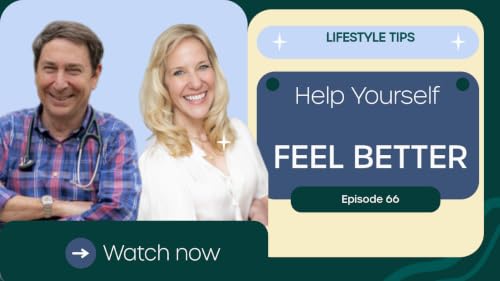
『Walk, Don't Run to the Doctor with Miles Hassell, MD』のカバーアート

Walk, Don't Run to the Doctor with Miles Hassell, MD

Walk, Don't Run to the Doctor with Miles Hassell, MD

著者: Miles Hassell MD
無料で聴く

Walk, Don't Run to the Doctor with Miles Hassell, MD is an evidence-based lifestyle tool for clinicians and the general public. In this podcast, we will discuss questions and topics related to: Is type 2 diabetes reversible? What lifestyle choices result in better health outcomes? Amidst the numerous health claims available, which approaches actually work? How can I live a long, healthy life and prevent disease and disability? I am a doctor/clinician and need a reliable resource to share with my patients. Practicing internal medicine physician, Miles Hassell MD, discusses evidence-based lifestyle tools for disease prevention, reversal, and remission. In 2024, Miles Hassell MD launched Walk, Don't Run to the Doctor, the first crowd-funded podcast dedicated to sharing the current evidence on lifestyle. This podcast is an outreach effort of GreatMed.org, a non-profit 501(c)(3) foundation that provides evidence-based lifestyle disease prevention and treatment tools within the medical community and for the general public. We aim to release new content every Friday. GreatMed.org is an educational foundation made of doctors, nurses, and other practicing clinicians who aim to provide the tools and resources clinicians need to more effectively help patients take control of their health, minimize medications, and reduce their risk factors. We offer educational material on lifestyle choices and a whole food Mediterranean diet model based on the best evidence from current medical literature. For more information, visit www.GreatMed.org To support this podcast, visit https://GreatMed.org/donate/2024 代替医療・補完医療 衛生・健康的な生活
エピソード
  • 67. Food vs. Supplements: Why Your Body Knows the Difference
    2026/08/28

    Are you getting real nutrition, or just expensive synthetic substitutes?

    In this episode of Walk, Don't Run to the Doctor, Miles Hassell MD breaks down the critical differences between the complex nutrients found in whole, unprocessed foods and the isolated, laboratory-made chemicals found in popular vitamins. Discover why standard lab test markers can be highly misleading, when targeted supplementation is actually medically necessary, and how to protect your health and budget from aggressive wellness industry marketing.

    Dr. Hassell also explores why improving a number on a lab test isn't necessarily the same as improving your health, and why fundamentals such as eating whole foods, exercising, maintaining a healthy weight, and getting outside may matter far more than expensive supplements and testing.

    Key Takeaways:

    • Most nutritional supplements are synthetic rather than truly "natural."
    • Nutrients consumed as part of whole foods come with a complex combination of other compounds that can affect how the body uses them.
    • Supplements aren't automatically safe simply because they're labeled as nutritional or natural.
    • There are specific situations where supplements can be useful, such as vitamin B12 supplementation for people who cannot absorb B12 properly.
    • The evidence supporting many common supplements, including calcium, vitamin D, and antioxidant supplements, is not as strong as supplement marketing may suggest.
    • Recommended daily allowances are based on limited nutritional knowledge and don't account for important differences between individuals.
    • Be cautious about lab tests that recommend supplements based on a single measurement or biomarker.
    • Improving a lab value isn't necessarily the same thing as reducing your risk of dementia, heart disease, diabetes, or cancer.
    • Whole, unprocessed foods, regular exercise, maintaining a healthy weight, and spending time outside remain the foundation of good health.
    • Consider who profits from the supplements or testing being recommended and whether there is evidence that the intervention actually improves health outcomes.

    Chapters:
    00:00 Why nutritional knowledge is limited
    00:13 Welcome to Walk, Don't Run to the Doctor
    00:43 Do you need nutritional supplements?
    01:00 Are supplements really natural?
    01:32 Where vitamins and minerals come from
    01:58 How "natural" vitamin C can be misleading
    02:26 Are synthetic supplements effective?
    03:09 Why nutrients from food are different
    03:48 Why whole foods may be better than supplements
    04:31 What does the research say about supplements?
    05:20 When supplements may actually be useful
    05:45 Vitamin B12, calcium, vitamin D and antioxidants
    06:10 Look closely at the evidence
    06:26 The "depleted soil" argument
    07:00 Do you need supplements based on nutrition labels?
    07:47 The limitations of recommended daily allowances
    08:23 Why nutrient absorption varies
    09:25 Focus on whole foods and healthy habits
    09:35 Follow the money in the supplement industry
    10:09 Be skeptical of supplement-related lab testing
    10:38 Microbiome testing and supplements
    11:03 Whole foods and a healthier microbiome
    11:43 Are we keeping the main thing the main thing?
    12:02 What actually improves health outcomes?
    12:26 Final thoughts

    Do you have a health or nutrition question for Dr. Hassell?

    Reach out to us: Web: GreatMed.org

    Call/Text: 503-773-0770 Email: info@GreatMed.org

    Mail: 4804 NW Bethany Blvd., Suite I-2, #273, Portland, OR 97229

    This podcast is fully funded by our generous listeners. Support our mission at GreatMed.org/donate (EIN: 88-326-7056)

    Get your copy of Good Food Great Medicine, 4th ed.: https://a.co/d/1D6hIYM

    #Nutrition #Supplements #WholeFoods #Health #PreventiveMedicine

    #WholeFoods #NutritionScience #SupplementTruths

    続きを読む 一部表示
    13 分
  • 66. Depression & Anxiety: Lifestyle Changes That Can Work Better Than Medication
    2026/08/15

    Can depression and anxiety be improved without relying solely on medication? In this episode of Walk, Don't Run to the Doctor, Miles Hassell MD is joined by clinical psychologist Dr. Traci Rieckmann to explore the growing evidence behind lifestyle medicine for mental health.

    Together they discuss why nutrition, exercise, purpose, social connection, sunlight, and reducing screen time may be just as important—if not more effective—for many people than medication alone. Drawing from clinical experience and scientific research, they explain practical steps anyone can begin today to improve mood, reduce anxiety, and build long-term resilience.

    Whether you're personally struggling with depression or anxiety, supporting someone who is, or simply looking to improve your overall mental health, this conversation offers practical, evidence-based strategies you can start using immediately.

    Key Takeaways

    • Diet and exercise have been shown in multiple clinical studies to significantly improve symptoms of depression and anxiety.
    • A Mediterranean-style diet rich in whole foods, fish, vegetables, healthy fats, and fermented foods supports brain health through the gut-brain connection.
    • Regular exercise—even just 20–30 minutes per day—can be as effective as antidepressant medications for many people.
    • Sunlight, outdoor activity, and social connection play powerful roles in improving mood.
    • Small, consistent lifestyle changes are often more sustainable than trying to change everything at once.
    • Cooking at home and sharing meals with others improves both physical and mental health.
    • Excessive screen time and social isolation can worsen depression and anxiety.
    • Finding purpose, helping others, and taking initiative can help break the cycle of low mood.
    • Certain medications and underlying medical conditions can contribute to depression and should be evaluated by a healthcare professional.

    Chapters

    00:00 Introduction
    02:13 Depression vs. Anxiety: Why Lifestyle Matters
    07:45 The Mediterranean Diet & the Gut-Brain Connection
    14:11 Processed Foods, Cooking at Home & Enjoying Food
    20:20 Exercise: A Powerful Treatment for Depression
    25:10 Taking Initiative When You're Feeling Stuck
    30:09 Purpose, Social Connection & Screen Time
    32:55 Medications, Expectations & Hidden Causes of Depression
    40:02 Helping Others, Family Habits & Digital Detox
    44:34 Games, Purpose & Final Takeaways

    Do you have a health or nutrition question for Dr. Hassell?

    Reach out to us: Web: GreatMed.org

    Call/Text: 503-773-0770 Email: info@GreatMed.org

    Mail: 4804 NW Bethany Blvd., Suite I-2, #273, Portland, OR 97229

    This podcast is fully funded by our generous listeners. Support our mission at GreatMed.org/donate (EIN: 88-326-7056)

    Get your copy of Good Food Great Medicine, 4th ed.: https://a.co/d/1D6hIYM

    続きを読む 一部表示
    48 分
  • 65. The Science of Living Longer: Healthspan, Longevity & Dementia Prevention with Miles Hassell MD & Filmmaker David Donnelly
    2026/07/31

    Can the choices you make today help you live a longer, healthier life? In this episode of Walk Don't Run to the Doctor, Miles Hassell MD sits down with filmmaker David Donnelly, director of the documentary Forever Young, to explore the science of healthy aging, longevity, and healthspan.

    Together they separate evidence-based research from hype, discussing why lifestyle habits still matter more than the latest supplement trends. They examine the growing evidence behind exercise, nutrition, sleep, purpose, social connection, and the surprising impact of excessive screen time on brain health. The conversation also explores exciting advances in longevity research while emphasizing the importance of critical thinking when evaluating new health claims.

    Whether you're interested in preventing chronic disease, reducing your dementia risk, or simply improving your quality of life as you age, this episode offers practical insights grounded in science.

    Key Takeaways

    • Why healthspan matters just as much as lifespan
    • How lifestyle choices influence aging more than most people realize
    • The importance of social connection for brain and overall health
    • Why critical thinking is essential when evaluating longevity supplements and trends
    • How excessive screen time may affect cognitive health and purpose
    • What current longevity research is revealing about the future of medicine
    • Practical habits you can start today to improve your long-term health

    Chapters
    00:00 Why Healthspan Matters More Than Lifespan
    01:54 The Science Behind the Forever Young Documentary
    06:14 Longevity Myths, Supplements & Critical Thinking
    09:33 Lifestyle vs. Genetics: What Really Determines Healthy Aging?
    12:20 Screen Time, Social Connection & Dementia Risk
    22:28 Processed Foods, Exercise & Everyday Habits for Longevity
    30:23 Blue Zones, Purpose & Living Well as You Age
    37:17 Digital Detox, Meaning & Building a Healthier Future
    41:25 Where to Watch Forever Young & Final Takeaways

    Do you have a health or nutrition question for Dr. Hassell?

    Reach out to us: Web: GreatMed.org

    Call/Text: 503-773-0770 Email: info@GreatMed.org

    Mail: 4804 NW Bethany Blvd., Suite I-2, #273, Portland, OR 97229

    This podcast is fully funded by our generous listeners. Support our mission at GreatMed.org/donate (EIN: 88-326-7056)

    Get your copy of Good Food Great Medicine, 4th ed.: https://a.co/d/1D6hIYM

    More on the Forever Young Film:

    Apple — https://tv.apple.com/us/movie/forever-young/umc.cmc.4t1561uviumw4ofcri0ufql7v

    Website — https://www.foreveryoung.film/

    Substack — https://foreveryoungfilm.substack.com/

    Instagram — https://www.instagram.com/foreveryoungdoc

    X — https://x.com/theagingdoc

    FB — https://www.facebook.com/people/Forever-Young-Film/61572955294447/

    YT — https://www.youtube.com/@ForeverYoung-Film

    Film Trailer - https://www.youtube.com/watch?v=gT2V-USKm6g

    #Sunlight #Longevity #HealthPodcast #LifestyleMedicine #DrMilesHassell #HeartHealth #MentalHealth #Foreveryoung #SunExposure #Wellness #SleepHealth #BoneHealth #PreventiveHealth #HealthyLiving #WalkDontRunToTheDoctor

    続きを読む 一部表示
    43 分
adbl_web_anon_alc_button_suppression_t1
まだレビューはありません