• Building a Suicide-Safe Community
    2026/06/29

    Community-wide efforts can play an important role in preventing suicide. This episode explores how public health approaches— like the familiar campaigns for smoking cessation or seatbelt use— can also reduce stigma, raise awareness, and connect people to support. Listeners will learn how these strategies work in practice and why they are among our most critical tools for preventing suicide at scale.

    続きを読む 一部表示
    42 分
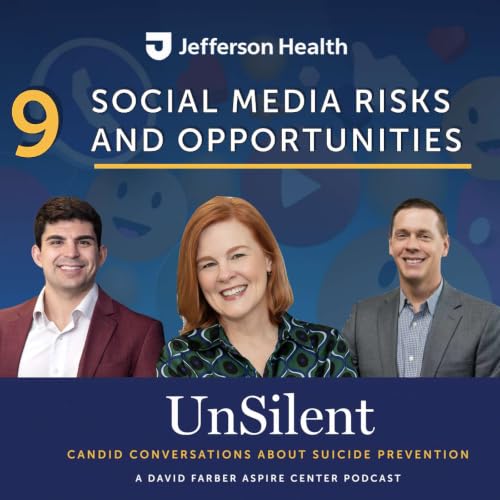
  • Social Media: Risks and Opportunities
    2026/06/22

    Social media is everywhere, and its impact on youth is a growing concern for many families. This episode briefly reviews what current research tells us, then focuses on practical ways parents can talk about social media use at home. Listeners will gain concrete strategies for setting healthy boundaries, starting productive conversations, and using available resources to guide their teens.

    続きを読む 一部表示
    38 分
  • Coping With Loss: Support for Survivors
    2026/06/15

    This special episode features a frank and thoughtful conversation with three survivors of suicide loss: benefactors Ellen and Billy Farber, and Education Director Amanda Blue, who has experienced loss twice. Guided by Dr. Wintersteen, they share their perspectives on grief, growth, and what healing can look like after loss. It’s an honest and uplifting discussion about transforming pain into purpose.

    続きを読む 一部表示
    50 分
  • Getting Help: What Does Evidence-Based Care Look Like?
    2026/06/08

    Throughout our conversations, we’ve often touched on the idea of “evidence-based” care. This episode takes a closer look at what that really means, defining the criteria required to earn the evidence-based label, and how it translates into real-world treatments. Listeners will also gain practical tools to identify the type of care they may be seeking and what to look for when choosing a provider.

    続きを読む 一部表示
    36 分
  • What is Trauma? Understanding Trauma and Trauma-Informed Care
    2026/06/01

    The word trauma is everywhere, but what does it really mean? This episode defines trauma, explores how the term evolved, and examines its real impacts, both mental and physical, on individuals and communities, and how it might relate to suicide risk. Listeners will also learn about the trauma-informed care offered at the David Farber ASPIRE Center and how building resilience can help protect against its lasting effects.

    続きを読む 一部表示
    32 分
  • Teens and Young Adults: What Every Parent Should Know
    2026/05/25

    Parents are surrounded by news and conversations about youth mental health and suicide. As a result, the concerns they feel are valid. This episode explores the unique challenges teens face, from bullying and social media to substance use, and how these factors impact their mental health. Most importantly, it shares practical tips and resources to help parents address these issues with confidence and care.

    続きを読む 一部表示
    32 分
  • How to Talk About Suicide– and Really Listen
    2026/05/18

    When you’re worried about someone, knowing what to say can feel overwhelming. This episode offers clear, compassionate guidance on how to ask a friend or loved one if they’re thinking about suicide. It also walks listeners through how to navigate the conversation, connect to available resources, and continue offering support throughout the journey of getting help and healing.

    続きを読む 一部表示
    27 分
  • Who’s Most at Risk?
    2026/05/11

    Building on the discussion of risk factors and warning signs, this episode explores specific groups that may face a higher risk of suicide. It explains why elevated risk doesn’t always mean a crisis, what additional factors can intensify vulnerability, and how strengthening protective factors can make a meaningful difference for these populations.

    続きを読む 一部表示
    24 分