• Imaging First: Full-Body MRI, CAC Scans, DEXA, and Ultrasound Pricing Across Cities
    2026/07/16

    Read the full article: Imaging First: Full-Body MRI, CAC Scans, DEXA, and Ultrasound Pricing Across Cities

    Discover more at Longevity Fit Life

    Excerpt:

    Introduction Many people interested in longevity (living longer and healthier) turn to advanced imaging. Scans like full-body MRI, coronary calcium CT, DEXA bone scans, and targeted ultrasounds promise early disease warnings. These can spot problems years before symptoms. But they cost time and money, and they can also find harmless “incidental” findings. In this article, we explain how these scans are used, what evidence and guidelines say, and how much they cost in cities around the world. We also note how to schedule them, how fast you get results, and what doctor visits cost afterward.

    Full-Body MRI Scans A full-body MRI uses a machine with magnets (no X-ray) to take pictures of many organs at once. Clinics market whole-body MRI as a way to find hidden cancers or issues early. In fact, preventive screening MRI centers have opened in Canada, Germany, Japan, the UK and elsewhere (pmc.ncbi.nlm.nih.gov). However, some places (like the Netherlands) have banned this scan by law, because it is not clear if the benefits outweigh the harms (pmc.ncbi.nlm.nih.gov).

    ... Continue reading

    続きを読む 一部表示
    21 分
  • Consumer Guide to Comparing Longevity Clinics: Features, Prices, and Red Flags
    2026/07/09

    Read the full article: Consumer Guide to Comparing Longevity Clinics: Features, Prices, and Red Flags

    Discover more at Longevity Fit Life

    Excerpt:

    Introduction Longevity clinics are health centers that promise to help you live healthier for longer. They offer advanced tests and personalized plans, sometimes costing tens of thousands of dollars a year (pmc.ncbi.nlm.nih.gov). Because the cost and variety of treatments can be very high, it is important to compare clinics carefully before choosing one. In this guide, we explain how to evaluate longevity clinics. We cover how to check doctors’ qualifications, demand scientific evidence, understand services offered, protect your personal data, and get clear prices. We also give step-by-step tips to collect quotes and a “basket” of services for comparison. We highlight red flags like misleading marketing, hidden upsells, and no-refund policies. Finally, we provide simple worksheets to help you track offerings, costs, and follow-up obligations for each clinic. By following this guide, you can make an informed, smart choice and avoid scams.

    Check Doctor and Staff Credentials Always start by examining the credentials of the people who will treat you. A real medical doctor should have a valid license to practice in your state or country. You can usually verify a doctor’s license online via your state medical board or a site like CertificationMatters.org (www.certificationmatters.org). Also look for board certification. Board-certified doctors have passed extra exams in a specialty and meet high standards. For example, the American Board of Medical Specialties says: “When you choose an ABMS board certified doctor, you can count on quality care” (www.certificationmatters.org).

    ... Continue reading

    続きを読む 一部表示
    17 分
  • Synergy or Substitution: Combining Resistance and Aerobic Training for Survival
    2026/07/05

    Read the full article: Synergy or Substitution: Combining Resistance and Aerobic Training for Survival

    Discover more at Longevity Fit Life

    Excerpt:

    Exercise for Life: Combining Walking and Weight Lifting to Live Longer

    We all know staying active is good for our health, but people often wonder if lifting weights really adds more benefit when you already do plenty of walking or running. Experts recommend that adults get about 150 minutes of moderate exercise each week (like brisk walking or dancing) and also do muscle-strengthening activities (like push-ups or lifting light weights) on at least 2 days each week (www.cdc.gov). However, many people skip the strength part: in one U.S. survey only about one-third of men and a quarter of women did strength exercises twice a week (www.cdc.gov). So researchers asked: If you already meet the walking/running goals, does adding a couple of weight workouts help you live even longer? And vice versa: if you lift weights, does adding cardio help further?

    ... Continue reading

    続きを読む 一部表示
    8 分
  • Machines vs Free Weights: Safety, Adherence, and Long-Term Outcomes
    2026/06/23

    Read the full article: Machines vs Free Weights: Safety, Adherence, and Long-Term Outcomes

    Discover more at Longevity Fit Life

    Excerpt:

    Machines vs. Free Weights for Older and Clinical Fitness

    Staying strong with age is vital for independence, good health, and even living longer (pmc.ncbi.nlm.nih.gov) (pmc.ncbi.nlm.nih.gov). Resistance training (lifting weights) fights age-related muscle and bone loss and can cut the risk of falls (www.sciencedirect.com) (pmc.ncbi.nlm.nih.gov). But when it comes to equipment, people often wonder: are free weights (dumbbells, barbells, kettlebells) or machines (cable stacks, leg press, etc.) safer and more motivating for older adults and patients? Research shows that both types are effective, but they have different injury patterns, learning curves, and appeal. Understanding these differences can help people stick with exercise longer, avoid injuries, and get the full longevity benefit of training.

    ... Continue reading

    続きを読む 一部表示
    11 分
  • Inflammation as a Pathway: CRP, IL-6, and Mortality Reduction with Resistance Training
    2026/06/15

    Read the full article: Inflammation as a Pathway: CRP, IL-6, and Mortality Reduction with Resistance Training

    Discover more at Longevity Fit Life

    Excerpt:

    Inflammation and Heart Health

    Our bodies have a kind of fire alarm called inflammation. When we get sick or hurt, inflammation helps us heal. But sometimes the alarm stays on too long, causing damage. Scientists can measure this “fire alarm” by looking at proteins in the blood. Two important ones are C-reactive protein (CRP) and interleukin-6 (IL-6). These rise when the body has chronic inflammation. High CRP or IL-6 means the body is quietly inflamed.

    ... Continue reading

    続きを読む 一部表示
    11 分
  • Adherence Economics: What Keeps People Lifting Over Years?
    2026/06/04

    Read the full article: Adherence Economics: What Keeps People Lifting Over Years?

    Discover more at Longevity Fit Life

    Excerpt:

    Introduction Sticking with exercise - especially lifting weights or resistance training (RT) – is tough for many people. A lot of new gym-goers quit after a few months (pmc.ncbi.nlm.nih.gov). Yet long-term lifting has huge benefits. This article looks at why some people keep lifting year after year. We examine both behavioral factors (like motivation, habits, and social support) and economic factors (like cost or rewards). We review research on how ongoing exercise improves health and even lengthens life. We also offer practical tips in an “adherence toolkit” – habits, accountability, and easy routines – to help anyone keep lifting over the long haul.

    Why Resistance Training Matters Lifting weights is not just for bodybuilders. Today’s science confirms that regular strength training helps people stay healthy into old age. It builds muscle, bones, and balance, cutting the risk of falls and frailty. Many large studies show it even prolongs life. For example, one study of hundreds of thousands of Americans found that doing the recommended amount of cardio exercise plus lifting weights 1–2 times a week cut the risk of death by about 40% compared to doing neither (pmc.ncbi.nlm.nih.gov). Another analysis of older adults found that muscle-strengthening activities were linked to 10–15% lower overall death rates (pmc.ncbi.nlm.nih.gov). Yet most adults do not meet strength-training guidelines – less than 1 in 5 in some countries (pmc.ncbi.nlm.nih.gov). In short, just a bit of lifting can deliver big health gains.

    ... Continue reading

    続きを読む 一部表示
    13 分
  • Wearables and Computer Vision: Measuring Real-World Resistance Training Exposure
    2026/05/27

    Read the full article: Wearables and Computer Vision: Measuring Real-World Resistance Training Exposure

    Discover more at Longevity Fit Life

    Excerpt:

    Wearables and Computer Vision in Resistance Training

    Staying active is important for a long, healthy life. Today’s wearable devices and smartphone apps can help us track strength workouts and understand their benefits. For example, a fitness tracker on your wrist can sense movement, or a phone camera can even watch you do a push-up. By collecting this real-world exercise data, researchers link workout habits to health outcomes like illness and longevity. In this article, we explain how new technology can detect and measure strength training (resistance training) sessions, how those estimates relate to health, and what simple tips anyone can use to track workouts effectively.

    ... Continue reading

    続きを読む 一部表示
    12 分
  • Velocity-Based Training and Longevity-Relevant Outcomes
    2026/05/20

    Read the full article: Velocity-Based Training and Longevity-Relevant Outcomes

    Discover more at Longevity Fit Life

    Excerpt:

    Velocity-Based Training for Healthy Aging

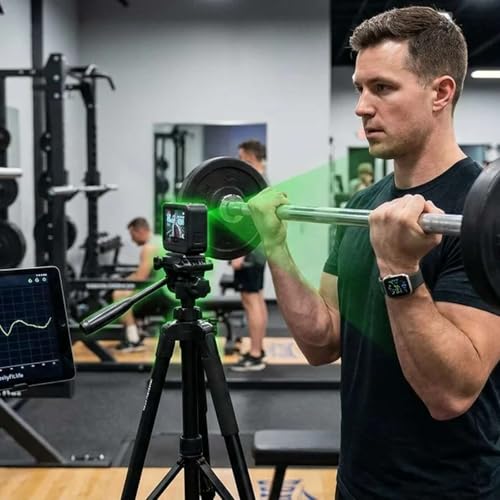
    As we grow older, keeping muscles strong and fast is key to staying active and independent. Velocity-based training (VBT) means watching how quickly we lift weights. Instead of only focusing on heavy lifts, we try to move weights as fast as safely possible. This approach has shown promise for improving strength, power, and everyday abilities (like walking speed and standing up from a chair) that matter for healthy aging. Researchers have begun testing whether monitoring bar speed – and stopping sets when lifts slow down by a set amount (a velocity loss target) – can boost strength and functional outcomes in older adults (www.sciencedirect.com) (suppr.wilddata.cn).

    ... Continue reading

    続きを読む 一部表示
    10 分