エピソード

  • How Desensitizing Pain Saved My Running, Even With Meniscus Tears
    2026/06/10

    Connect with Us:

    If you’re an injured runner we can help you get back to running pain-free.


    Book a free call with us:

    https://matthewboydphysio.com/booking/


    Running Fundamentals Course:

    https://matthewboydphysio.com/running-fundamentals-course/


    Instagram:

    https://www.instagram.com/matthewboydphysio/


    Summary


    In this episode, Greg shares his journey from chronic knee pain to running pain-free, highlighting the importance of resilience, proper form, and understanding the body's adaptive capacity. Discover practical insights on managing pain, building strength, and staying motivated through setbacks.


    Takeaways


    • Embrace resilience over rest: By gently staying active, even with some discomfort, you can heal faster and keep your body in tune.
    • Find your adaptive zone: Progress isn't always a straight line. Embrace the ups and downs, knowing you're still moving forward.
    • Rethink aging and joints: Your joints are adaptable, not destined to wear out. Keep them moving and strong.
    • Build your resilience shield: Strengthening your body not only heals but also protects you from future setbacks.
    • Shift your mindset on pain: See pain as a temporary guide, not a barrier. This shift can unlock new paths to healing.
    • Gently push your limits: By safely expanding your comfort zone, you empower your body to grow stronger.
    • Engage, don't avoid: Turn pain into a cue for action, transforming recovery into an active journey.
    続きを読む 一部表示
    17 分
  • An 8-Year Journey Back to Running - And Why Your Brain Might Be the Key | Hannah's Story
    2026/06/03

    Summary


    In this inspiring interview, Hannah shares her journey through injury, pain, and recovery, highlighting the importance of understanding the nervous system and mental resilience in overcoming physical setbacks. Discover how she transformed her approach to pain and regained control over her body and life.


    Takeaways


    • Chronic pain often stems from nervous system dysregulation rather than just physical damage.
    • Emotional and psychological factors play a crucial role in managing physical recovery.
    • Self-perception significantly influences physical outcomes and recovery.
    • Recovery is non-linear and requires patience and self-compassion.
    • Lifestyle habits, including stress management and sleep, impact pain management.
    • The belief of being "injury-prone" can become a self-fulfilling prophecy.
    • Understanding the mind-body connection empowers individuals to manage pain better.
    • Pain does not always indicate structural damage; it can be a protective response.
    • Gradual exposure and resilience-building are key to overcoming fear of injury.
    • Consistent reassurance and validation are essential in the recovery journey.

    Connect with Us:

    If you’re an injured runner we can help you get back to running pain-free.


    Book a free call with us:

    https://matthewboydphysio.com/booking/


    Running Fundamentals Course:

    https://matthewboydphysio.com/running-fundamentals-course/


    Instagram:

    https://www.instagram.com/matthewboydphysio/

    続きを読む 一部表示
    25 分
  • What if Your Running Injury Rehab Made You Faster?
    2026/05/27

    If you’re an injured runner we can help you get back to running pain-free.


    Click the link to book a free call with us

    https://matthewboydphysio.com/booking/


    Running Fundamentals Course

    https://matthewboydphysio.com/running-fundamentals-course/


    Instagram

    https://www.instagram.com/matthewboydphysio/


    Other links

    Fix My Form Protocol

    Run Strong Protocol

    Book a Free Evaluation Call


    Summary


    This episode explores how injury rehab can actually make runners faster by focusing on form, strength, and resilience. It covers key running form errors, the importance of cadence, over striding, knee alignment, strength training, and structural resilience to prevent injuries and improve performance.


    Takeaways


    • Integrating form, strength, and resilience is key to optimizing running performance and preventing injuries.
    • Increasing cadence is a strategic tool to reduce impact forces and enhance running efficiency.
    • Correcting overstriding and knock-knee running improves joint mechanics and reduces injury risk.
    • Building muscular strength acts as a protective buffer, reducing reliance on weaker structural components.
    • Resilience in bones, tendons, and ligaments ensures fewer injuries and more consistent training.
    • A holistic approach to running shifts the mindset from reactive to proactive.
    • Maintaining a higher, consistent cadence unlocks speed with less joint stress.
    • Focusing on stride alignment transforms running into an efficient forward drive.
    続きを読む 一部表示
    12 分
  • Downhill Running Destroys Knees
    2026/05/20

    If you’re an injured runner we can help you get back to running pain-free.


    Click the link to book a free call with us

    https://matthewboydphysio.com/booking/


    Running Fundamentals Course

    https://matthewboydphysio.com/running-fundamentals-course/


    Instagram

    https://www.instagram.com/matthewboydphysio/


    Other links:Fix My Form Protocol

    Run Strong Protocol

    Book a Free Evaluation Call


    Summary


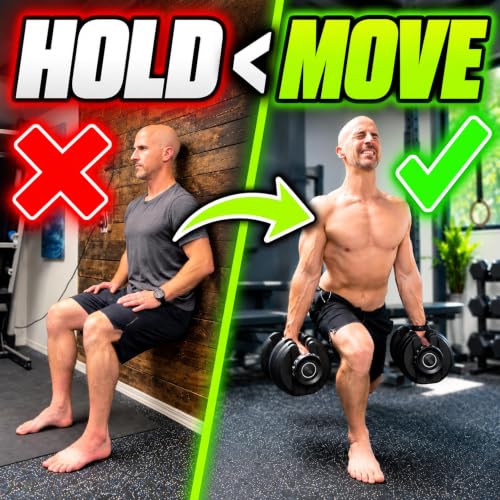
    This episode explores how downhill running impacts knee health, emphasizing the importance of strength training for runners. Learn how to develop maximum strength in key muscle groups to prevent knee pain and improve running performance.


    Takeaways


    • Weak quadriceps are a primary cause of downhill knee pain.
    • Heavy, progressive strength training is essential for injury prevention.
    • Incorporate exercises like Bulgarian split squats and deadlifts to strengthen key muscles.
    • Progressively increase weight and challenge muscles for optimal gains.
    • Strengthening posterior chain muscles reduces fatigue and protects knees.
    続きを読む 一部表示
    11 分
  • How Running Slower Made Eric 1 Hour Faster in the Marathon
    2026/04/14

    Connect with Us:

    If you’re an injured runner we can help you get back to running pain-free.


    Book a free call with us:

    ⁠https://matthewboydphysio.com/booking/⁠


    Running Fundamentals Course:

    ⁠https://matthewboydphysio.com/running-fundamentals-course/⁠


    Instagram:

    ⁠https://www.instagram.com/matthewboydphysio/⁠


    Summary

    In this episode, Eric Green shares his journey through marathon training, injury setbacks, and the lessons learned about pacing, fueling, and consistency. Discover how a slow, disciplined approach transformed his running and led to a personal best. Eric discusses the challenges of balancing training, injury recovery, travel, and family life, emphasizing how slowing down his training pace and focusing on nutrition and strength significantly improved his performance.


    He provides details of his injuries, such as stress fractures and shin splints, and explains how patience and guidance were crucial in his recovery. Eric highlights the importance of respecting the training process over seeking quick fixes or shortcuts. He describes the mental shift from impulsive racing to embracing the sport's discipline and process, showing how consistent training, fueling, and strength work contributed to his marathon success. Additionally, Eric offers insights into the psychological resilience he built through injury setbacks and persistence.


    Takeaways


    • Running slow helps build endurance and prevent injuries
    • Consistent fueling and gym work support long-distance running
    • Patience and persistence are key to marathon success
    • Focusing on the process rather than instant results shifts effort into sustainable habits, unlocking long-term improvement.
    • View setbacks as necessary parts of the process, not failures, each recovery period is a hidden investment in future performance.
    • This mental shift challenges deep-seated beliefs about effort and speed, enabling a focus on quality over quantity.
    • Embrace easy runs as a strategic tool for long-term growth.
    • Focus on listening to your body, backing off when needed, and building gradually to minimize setbacks.
    続きを読む 一部表示
    32 分
  • I Thought I Had to Quit Running at 50 … Then This Happened | Sausha's Story
    2026/03/10

    Connect with Us:

    If you’re an injured runner we can help you get back to running pain-free.


    Book a free call with us:

    https://matthewboydphysio.com/booking/


    Running Fundamentals Course:

    https://matthewboydphysio.com/running-fundamentals-course/


    Instagram:

    https://www.instagram.com/matthewboydphysio/


    Summary


    In this episode, Sasha shares her journey from hip pain and doubts about running into a confident, pain-free half marathoner. Discover how slow training, strength work, and consistency transformed her running and outlook.


    Takeaways


    • Slow down to go fast and prevent injury.
    • Consistent strength training supports joint health.
    • Patience and adherence lead to long-term success.
    続きを読む 一部表示
    8 分
  • What Electrolytes Do Runners Actually Need?
    2026/01/27

    If you’re an injured runner we can help you get back to running pain-free.


    Click the link to book a free call with us

    https://matthewboydphysio.com/booking/


    Running Fundamentals Course

    https://matthewboydphysio.com/running-fundamentals-course/


    Instagram

    https://www.instagram.com/matthewboydphysio/


    Summary


    This episode focuses on the importance of hydration and electrolyte replenishment for runners. Matthew Boyd discusses how to develop a personalized hydration strategy, emphasizing the need to understand individual sweat rates and sodium loss. He provides practical advice on how to create an electrolyte fluid and the significance of tracking hydration habits to enhance performance during training and races.


    Takeaways


    • Hydration and electrolytes are crucial for runners.
    • Most runners lack a specific hydration strategy.
    • Proper hydration becomes vital in hot or long workouts.
    • Fluid loss through sweat varies significantly among runners.
    • The average runner sweats about one liter per hour.
    • Replenish about half of the fluid lost during runs.
    • Sodium is the key electrolyte to focus on.
    • Electrolyte products should contain about a thousand milligrams of sodium.
    • Track hydration habits to improve performance.
    • Practice hydration strategies to prepare for race day.
    続きを読む 一部表示
    10 分
  • From Patellar Tendonitis to 20 Miles in the Mountains — Scott’s Comeback Story
    2026/01/20

    Connect with Us:

    If you’re an injured runner we can help you get back to running pain-free.


    Book a free call with us:

    https://matthewboydphysio.com/booking/


    Running Fundamentals Course:

    https://matthewboydphysio.com/running-fundamentals-course/


    Instagram:

    https://www.instagram.com/matthewboydphysio/


    Summary


    In this episode of the Fix My Running podcast, Scott shares his inspiring journey of recovery from a significant running injury. He discusses the challenges he faced with patellar tendonitis, the holistic approach he took to recovery, and the importance of strength training. Scott reflects on his training progress, achievements, and future goals, emphasizing the value of consistency and a comprehensive training plan.


    Takeaways


    • Scott experienced significant knee pain due to patellar tendonitis.
    • He found a holistic approach to recovery that included strength training.
    • The first noticeable improvement came within 30 days of training.
    • Scott successfully completed a 20-mile mountain race after his recovery.
    • He emphasizes the importance of strength training as he ages.
    • Scott's training included a mix of running and strength exercises.
    • He adapted his training to include more cautious downhill running.
    • Scott's commitment to the training plan was crucial for his recovery.
    • He plans to participate in more mountain runs in the future.
    • Scott values outdoor workouts over traditional gym sessions.
    続きを読む 一部表示
    15 分