『Dr. Eugene Lipov | Brain Hope Reality & Digital Toxicity』のカバーアート

Dr. Eugene Lipov | Brain Hope Reality & Digital Toxicity

Dr. Eugene Lipov | Brain Hope Reality & Digital Toxicity

著者: Dr. Eugene Lipov
無料で聴く

概要

Brain, Hope & Reality explores PTSD, trauma recovery, Stellate Ganglion Block (SGB), brain health, autonomic nervous system dysregulation, hyperarousal, anxiety, sleep, "brain rot ",digital toxicity, doomscrolling, screen addiction, smartphone addiction, dopamine, stress, resilience, and nervous-system recovery with Eugene Lipov, MD.

This podcast looks at PTSD, trauma, brain recovery, sympathetic nervous system activation, sleep disruption, attention problems, anxiety, depression, and digital overload through a biological lens. Severe trauma can affect far more than thoughts and emotions; it may also produce measurable changes in sleep, startle response, autonomic regulation, stress physiology, emotional processing, and brain function.

A central theme is that post-traumatic stress may be better understood as an injury or biological adaptation, rather than only as a “disorder.” Episodes explore the neuroscience of trauma, SGB, fight-or-flight physiology, recovery, resilience, brain rot, the potential negative effects of excessive smartphone use, doomscrolling, sleep disruption, attention loss, social media addiction, and other current topics affecting the brain and nervous system.

Guests include trauma survivors, veterans, Special Forces personnel, active-duty and former military members, physicians, neuroscientists, psychologists, researchers, Gen Z guests, athletes, parents, and everyday people sharing real-world experiences with trauma, stress, recovery, performance, and modern digital life.

The show also examines how brain rot, digital toxicity, doomscrolling, excessive screen time, social media addiction, sleep disruption, and constant smartphone stimulation may affect many of the same stress, attention, reward, and autonomic systems involved in trauma.

Dr. Lipov explores the hypothesis that PTSD and what he describes as “digital PTSD” may share overlapping biological pathways involving persistent stress-system activation, hyperarousal, sleep disruption, and autonomic dysregulation.

The goal is simple: make complex neuroscience understandable, practical, hopeful, and connected to real-world solutions.

Follow Brain, Hope & Reality on Spotify for conversations about PTSD, trauma recovery, SGB, brain health, Special Forces mindset, veterans, Gen Z, digital toxicity, brain rot, smartphone use, sleep, anxiety, dopamine, stress, and nervous-system regulation.

2026 Dr. Eugene Lipov
心理学 心理学・心の健康 衛生・健康的な生活 身体的病い・疾患
エピソード
  • Brain & Spinal Cord Recovery: Real Hope After TBI, Stroke & SCI | Eugene Lipov, MD + Kelsey Harris
    2026/10/21

    Can recovery continue years after spinal cord injury, traumatic brain injury, or stroke? Eugene Lipov, MD, speaks with Kelsey Harris, founder of NeuroAxis Rehab, about neuroplasticity, paralysis recovery, spinal cord stimulation, stellate ganglion block (SGB), and innovative rehabilitation. Discover inspiring patient stories, emerging treatments, and new hope for neurological recovery.

    続きを読む 一部表示
    40 分
  • Beyond Suicide Prevention: Moral Injury, PTSD & Real Solutions for Veterans EP45
    2026/10/15

    Veteran suicide, PTSD, moral injury, first responder mental health, military trauma, stellate ganglion block (SGB), trauma recovery, TBI, sleep disruption, hyperarousal, and military family support are at the center of this episode of Brain, Hope & Reality with Eugene Lipov, MD and Philip “Chappy” Ferrer of Military Outreach USA.

    Chappy brings the perspective of an Iraq veteran, former 82nd Airborne soldier, chaplain, licensed minister, and veteran advocate. He discusses why trust, face-to-face connection, peer support, moral injury, and the veteran “squad” mentality can be essential for reaching people who may otherwise isolate or avoid care.

    Eugene Lipov, MD explores trauma from a biological perspective, including sympathetic nervous system overactivation, fight-or-flight physiology, insomnia, hyperarousal, the feeling of doom, and the potential role of stellate ganglion block (SGB) as one component of a broader treatment strategy. The discussion emphasizes that SGB is not a replacement for emergency psychiatric care, psychotherapy, or peer support, but may help reduce physiological hyperarousal in some patients.

    The conversation also addresses veteran suicide risk, TBI, moral injury, sleep dysfunction, social isolation, secondary trauma, military families, and first responders. A central theme is that awareness alone is not enough; effective recovery may require coordinated access to trusted relationships, peer support, psychotherapy, medical care, and biologically oriented interventions.

    Brain, Hope & Reality explores PTSD/PTSI, trauma biology, the sympathetic nervous system, brain health, sleep, and emerging approaches to recovery.

    #VeteranSuicide #PTSD #MoralInjury #VeteranMentalHealth #SGB #StellateGanglionBlock #FirstResponders #TraumaRecovery #MilitaryMentalHealth #SuicidePrevention #PTSI #TBI #MilitaryFamilies #EugeneLipov

    続きを読む 一部表示
    31 分
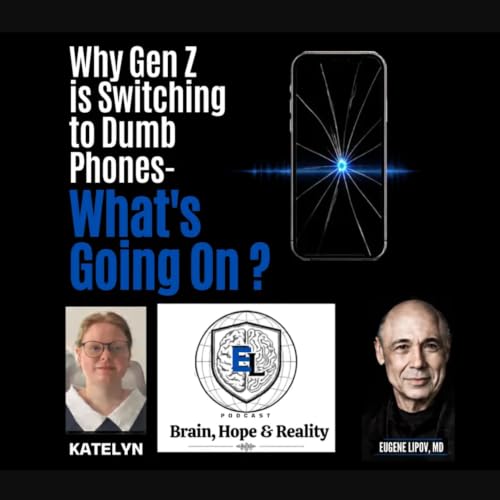
  • Why Gen Z wants a dumb phone: What's Going On ?: EP44
    2026/09/07

    Anxiety, social media addiction, digital toxicity, digital brain rot, doomscrolling, phone addiction, Gen Z mental health, Gen Alpha mental health, PTSD, fight-or-flight, sympathetic nervous system, digital Tourette’s, social contagion, sleep problems, dumb phones, grayscale mode, screen time and the effects of social media on the brain are the focus of this episode of Brain, Hope & Reality with Eugene Lipov, MD and Katelyn.
    Why can anxiety feel intensely physical? Can repeated social-media exposure influence behavior? Why are young people turning to dumb phones? And what happens when the fight-or-flight system stays activated?
    Eugene Lipov, MD and Katelyn discuss anxiety symptoms, feeling of doom, social media fatigue, digital addiction, functional tic-like behaviors sometimes called “digital Tourette’s,” mimetic behavior, technoference, digital PTSD, dopamine, norepinephrine, cortisol, sleep, attention, smartphone addiction, grayscale phones, Focus Mode and reducing screen time.
    A central theme is simple: psychology has biology behind it.
    Anxiety can be experienced through the body as racing heart, chest tightness, stomach discomfort, shaky hands, difficulty breathing, dizziness and a powerful sense of dread or impending doom. The conversation explores how the sympathetic nervous system—or fight-or-flight system—may contribute to these sensations.
    The episode also examines how behaviors repeatedly seen online may influence other people, including discussion of sudden functional tic-like behaviors reported among some young social-media users.
    The conversation then turns to practical solutions. Can you make your smartphone boring? Can grayscale reduce the urge to scroll? Can Focus Modes and removing apps from your home screen create enough friction to interrupt automatic behavior? And what happens when you remove the phone from your bedroom completely?
    Katelyn shares strategies for recognizing anxiety in the body and managing it with grounding, breathing, physical sensation and behavioral techniques. The discussion also covers SMART goals, monitoring screen time, nature, hobbies and replacing passive scrolling with activities that engage your brain.
    CHAPTERS
    0:00 The Biology Behind Psychology
    1:52 Unpacking Anxiety Types
    2:53 The Rise of Mimetic Disease
    5:27 The Truth About Stimming
    10:23 Agoraphobia in the Digital Age
    13:29 The Dumb Phone Movement
    21:28 Why Gen Z Is Seeking Disconnection
    Subscribe to Brain, Hope & Reality for conversations about anxiety, PTSD, digital toxicity, brain science, the autonomic nervous system and practical ways to improve mental health.
    Where do you feel anxiety first—your chest, stomach, breathing, head or somewhere else?
    #Anxiety #DigitalToxicity #DigitalBrainRot #SocialMediaAddiction #PhoneAddiction #Doomscrolling #GenZ #GenAlpha #MentalHealth #PTSD #FightOrFlight #ScreenTime

    続きを読む 一部表示
    49 分
adbl_web_anon_alc_button_suppression_t1
まだレビューはありません