『good traffic.』のカバーアート

good traffic.

good traffic.

著者: Brad Biehl
無料で聴く

今ならプレミアムプランが3カ月 月額99円

2026年5月12日まで。4か月目以降は月額1,500円で自動更新します。

概要

A workshop for American urban design and urban planning. Join a prolific collective of city and neighborhood staples as we look to better brand American urbanism. New conversations, each week.Brad Biehl 旅行記・解説 社会科学
エピソード
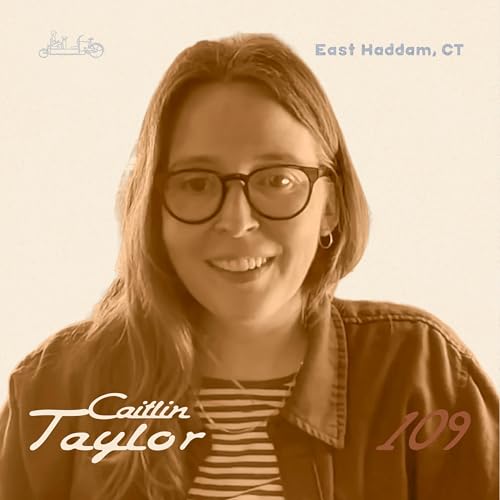
  • 109 / The missing middle of our food infrastructure / with Caitlin Taylor
    2026/05/05

    Caitlin Taylor — architect, farmer, and founder of Midcourse Design & Development — is in good traffic this week for a conversation about the missing middle of America's food system, and why architects need to understand farming, supply chains, and retail, en route to rebuilding regional infrastructure.


    We also touch on: Why architects rarely work on food infrastructure. The lived experience of running a certified organic farm. How Mass Design Group shaped her practice model. The missing middle between industrial and direct-to-consumer. Why most food businesses operate despite the built environment, not because of it. Regional processing as the bottleneck. Fiddleheads co-op in New London, Connecticut as an exemplar. Why independently owned grocery stores are so rare. Grocery store layout and fresh versus shelf-stable ratios. Projects coming soon that will demonstrate the Midcourse model.


    Timeline:

    00:00 Caitlin Taylor is in good traffic.

    05:35 The multidisciplinary studio model.

    07:24 Weaving architecture, operations, planning, and finance.

    08:02 How Caitlin started Midcourse.

    08:39 Being both an architect and a farmer.

    09:31 Living on a certified organic farm.

    10:19 The food world as a small, networked community.

    11:11 Only architect in a room of farmers, only farmer in a room of architects.

    12:02 When the realization happened.

    13:04 Husband becoming a farmer while Caitlin was in grad school.

    13:39 The wacky idea that food system architecture mattered.

    14:21 Joining Mass Design Group in 2016.

    14:41 Founding the Food Systems Design Lab.

    16:59 Testing what role architecture plays in regional food systems.

    20:53 Why Caitlin left Mass to start Midcourse.

    25:31 The missing middle of food infrastructure.

    31:15 Processing, storage, distribution, aggregation.

    37:00 Why regional infrastructure disappeared.

    43:03 Globalized consolidation and economies of scale.

    49:21 Making regional systems economically viable.

    55:12 How architects can help food businesses.

    56:01 Grocery stores as museums of regional food.

    56:48 Seasonal eating and living with the seasons.

    57:17 Fresh versus packaged shelf ratios.

    58:04 Where to see this in action.

    58:27 Fiddleheads co-op in New London, Connecticut.

    59:35 Independently owned cooperative grocery stores.

    1:00:25 Why co-ops are so rare and often fail.

    1:01:23 The commute question.

    1:01:55 200 feet from kitchen to farm wash station.

    1:03:02 Wrapping up.


    Links:

    More on Midcourse.

    続きを読む 一部表示
    1 時間 3 分
  • 108 / The single-family starter home trap / with Tahra Hoops
    2026/04/25

    Tahra Hoops — director of economic analysis at the Chamber of Progress and writer of The Rebuild — is back in good traffic this week for a conversation about financial nihilism, what happens when an entire generation stops believing homeownership is possible, and why the definition of "starter home" desperately needs an update. As Gen-Z watches record spending on concerts and short-term consumption coexist with near complete abandonment of long-term financial planning, Tahra breaks down the policy failures that created this mess, as well as the middle housing opportunities sitting right in front of us. And, how the politics of the likes of both Elizabeth Warren and Bernie Moreno are missing the moment in producing tangible housing policy solutions.

    The conversation dives into California's condo construction defect laws — arcane legislation that makes it financially impossible for developers to build the middle housing units that could actually serve as starter homes for young people. From townhomes to small condos, the housing types that used to be entry points into ownership have virtually disappeared, leaving renters stuck between unaffordable single-family homes and corporate-owned apartment buildings with no path to equity.

    We also touch on: The boomer economy and lack of investment in young generations. Why people spend $6,000 on Coachella but can't imagine owning a home. How fintech enables short-term consumption while destroying long-term planning. What a starter home actually means today. The Cost of Living Blueprint report. Why better Democrats need to enter the California governor race. City council as the sweet spot for policy wonks. Banning millennial gray hardwood floors.

    Timeline:

    00:00 Intro.

    07:44 Tahra Hoops returns to the show.

    08:03 What prompted the starter home piece.

    08:38 The boomer economy and lack of youth investment.

    09:37 Gen Z one versus Gen Z two split.

    10:16 Financial nihilism and scaling back.

    10:41 Evolving the starter home conversation.

    11:01 What is a starter home anymore?

    11:36 Coachella spending versus housing realities.

    12:19 Short-term consumption and long-term collapse.

    13:07 California condo defect laws.

    14:55 Why developers won't build condos.

    18:11 The missing middle housing shortage.

    22:26 Starter homes as typologies other than single-family.

    27:02 Financing and construction cost barriers.

    32:15 Rethinking what ownership looks like.

    37:43 Policy solutions beyond zoning reform.

    43:16 The Cost of Living Blueprint report.

    47:52 California governor race and runoff dynamics.

    53:33 State level politics as Parks and Rec documentary.

    54:30 City council as policy wonk sweet spot.

    56:41 Boomers love progress until it moves next door.

    58:07 Design and sneaking units past NIMBYs.

    58:51 Landscape architecture consultation requirements.

    59:42 Millennial gray hardwood floor ban proposal.

    1:00:51 The Rebuild newsletter and upcoming work.

    1:01:48 Wrapping up.


    Read more:

    A Starter Home is Whatever We Want it to Be.

    Subscribe to The Rebuild.

    Chamber of Progress Cost Of Living Policy Blueprint for 2026 Midterms.


    Follow:

    Tahra, on X.

    続きを読む 一部表示
    1 時間 3 分
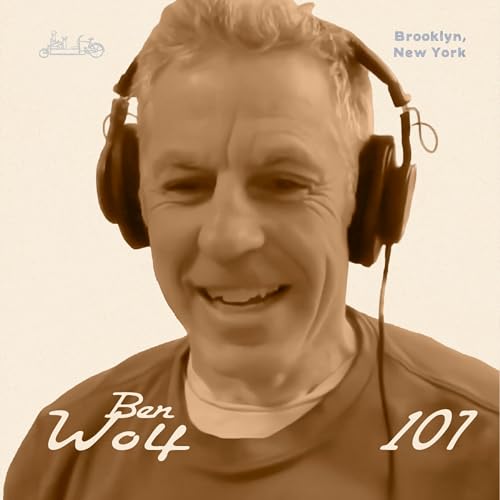
  • 107 / Streets as a microcosm of democracy / with Ben Wolf
    2026/04/17

    Ben Wolf — cinematographer and director of the documentary Changing Lanes — is in good traffic this week for a conversation about using a Brooklyn bike lane project as a lens for understanding democracy, infrastructure, and why America feels politically stuck.


    As the documentary begins its theatrical release in Los Angeles and prepares to stream on major platforms, Ben reflects on what local stories can teach national audiences and why good information matters more than ever.


    We also touch on: How the pandemic created space to pursue creative projects. Cycling's transformation from outsider activity to mainstream. Why streets are a proxy for bigger political problems. Mayors Bloomberg, Adams, and Mamdani's approaches to bike infrastructure and street safety. Renters versus owners in infrastructure debates. Car commercials as propaganda for the status quo. Why there's no equivalent marketing for walking and biking. Film festival reception and upcoming theatrical release. Sicily hill towns where streets have stairs, and walking ten minutes to the piazza for coffee.


    Timeline:

    00:00 Ben Wolf and Changing Lanes.

    07:23 Three years following a street redesign story.

    08:15 The pandemic as catalyst for directing.

    09:07 Wanting to explore local transportation and politics.

    09:41 Streets as illustrations of democracy.

    10:09 The locked public meeting.

    11:12 Finding the spine of the story.

    11:45 Housing debates bleeding into street fights.

    13:58 Renters versus owners and credibility claims.

    16:54 The broader political paralysis theme.

    16:01 Mamdani election and optimism for change.

    17:55 Bloomberg and Janette Sadik-Khan's rapid change era.

    19:39 Mayor Eric Adams' record.

    21:10 Why compromise feels impossible.

    26:21 Corporate car propaganda versus reality.

    30:48 Generations of automotive marketing.

    36:34 The counter-narrative we don't get.

    42:25 Making local stories nationally relevant.

    43:06 The problem of bad information.

    44:10 Car companies as propaganda experts.

    44:51 Documentaries as counter to corporate messaging.

    45:55 Theatrical release and streaming plans.

    46:47 Hosting screenings in your city.

    47:48 LA as the most car-centric place.

    48:08 Using Olympics as catalyst for change.

    48:33 The commute question.

    48:53 A vacation house in Sicily.

    49:22 Everything within a ten-minute walk.

    49:38 Wrapping up.


    Further context:

    Where to view the film, upcoming.

    Hosting a screening.

    続きを読む 一部表示
    51 分
まだレビューはありません