エピソード

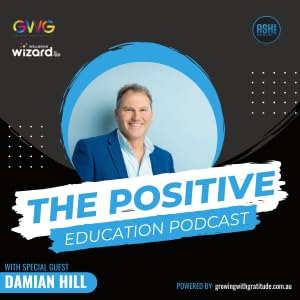
  • Episode #68 | Damian Hill - Aleda: The Coaching Skill Every School Leader and Teacher Needs
    2026/04/01
    In this episode with Damian Hill, we dive into how better questions can transform the way educators lead, teach, and support students. From coaching conversations to classroom practice, this episode is packed with practical ways to shift from telling to empowering others to think for themselves. Key Takeaways Better questions help build ownership, allowing students and staff to take responsibility for their thinking and actions. Coaching is about unlocking thinking rather than giving advice, leading to deeper learning and more sustainable outcomes. The person with the problem should do the thinking, rather than relying on others to solve it for them. Non-judgmental questions create trust and open the door for more honest reflection and meaningful conversations. These questioning approaches can be used across classrooms, leadership, staff conversations, and even at home to build empathy and accountability. Pausing and allowing space for thinking leads to better responses and stronger problem-solving.
    続きを読む 一部表示
    44 分
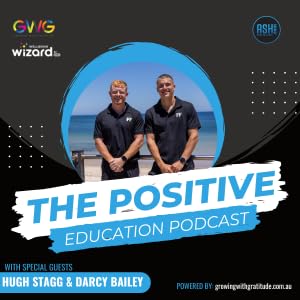
  • Episode #67 | Hugh Stagg & Darcy Bailey - Focus Forward: Building Confident and Resilient Young Males
    2026/02/26
    Key takeaways Many young males today feel a lack of direction, especially when sport, school, or identity goals feel uncertain. Without strong habits or routines in place, motivation can drop quickly. Social media comparison and the expectation of quick results are major pressures for boys, contributing to low confidence and impatience with long-term growth. A consistent male role model or mentor can make a profound difference, particularly for boys who don’t have someone they feel they can relate to or confide in. Daily check-ins and accountability create momentum. Small, achievable tasks completed consistently build self-belief, responsibility, and resilience over time. Being part of a team, club, or shared activity provides belonging, identity, and positive connection, all powerful protective factors for young males. Simple habits like morning routines, hydration, movement, and self-awareness check-ins help boys experience early wins that compound into long-term confidence and wellbeing.
    続きを読む 一部表示
    44 分
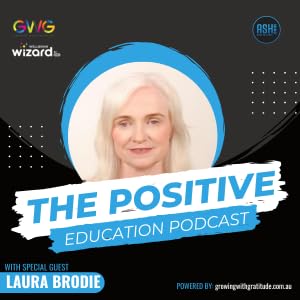
  • Episode #66 | Laura Brodie - Albinism in the Classroom: What Teachers and Parents Need to Know
    2026/02/09
    In this episode with Laura Brodie, we dive into her lived experience of albinism and low vision and how that journey shaped her work supporting teachers and parents to create calmer, more inclusive classrooms. As an educator and mindfulness practitioner, Laura shares practical tools to move from overwhelm to clarity, confidence, and belonging. Mindfulness doesn’t remove challenge, it changes how we respond to it, creating space between reaction and choice. Belonging is not accidental; it is built through small, consistent acts of inclusion and invitation. Exclusion can leave deeper scars than we realise, often shaping confidence long into adulthood. Practical adjustments in classrooms are not “extras”, they are the difference between coping and thriving. When kindness is made visible and intentional, it becomes contagious. Lived experience, when embraced, can become a powerful compass for leadership and advocacy.
    続きを読む 一部表示
    38 分
  • Episode #65 | Gavin McCormack - A Story That Will Move You [Warning there's a fair chance you'll be teary]
    2026/02/01
    In this episode with Gavin McCormack, we dive into one of the most moving stories you'll hear. It's a story about danger, hope, heartbreak and humanity and what happens when you decide you can’t unsee something and choose to act. From a treacherous journey into remote Nepal to rebuilding a forgotten school for orphaned children, Gavin shares the moments that broke him open and reminded him what truly matters. This story is incredible. It had me with a tear in my eye on more than one occasion.
    続きを読む 一部表示
    37 分
  • Episode #64 | Rod Soper - Why Wellbeing Starts Before School: Play, Gratitude and the Early Years
    2026/01/26
    In this episode with Rod Soper, we dive into his powerful journey from school leadership to pioneering early years wellbeing through thinkers.inq and the Playing With Gratitude Project. Rod shares why play and gratitude are foundational to mental health, how these practices are transforming children, educators and families, and why wellbeing must be nurtured long before the teenage years. 1. Wellbeing starts earlier than we realise Children’s confidence and mental health foundations are already forming before school, not in the teenage years. 2. Real change scales through values-aligned partnerships Rod’s collaboration with Fiona O'Donnell shows how shared values, not programs, drive impact, allowing gratitude and wellbeing practices to spread authentically across early learning centres and into families’ lives. 3. Play is essential to mental health Play isn’t optional; without it, wellbeing suffers for children and adults. 4. Gratitude works even in hard seasons Gratitude doesn’t erase struggle; it gently shifts perspective when life feels overwhelming. 5. Gratitude changes families, not just kids Simple gratitude practices at school sparked deeper connection and calm at home. 6. Teachers must feel it before they teach it Wellbeing sticks when educators experience it personally, not just deliver it as content. 7. Gratitude shapes babies before words exist Even infants showed calmer behaviour and stronger attachment through gratitude-rich environments. More About Rod Soper Rod has spent more than three decades asking a deceptively simple question: What helps children flourish? His work suggests that gratitude, connection and the feeling of being valued sit at the heart of emotional wellbeing and learning. Rod is a writer, a coach and the co-founder of Thinkers.inq and Personhood360, and author of The Great Gratitude Surprise. He brings a hopeful, practical and research-informed approach that helps teachers and families alike build kindness, wellbeing and belonging into everyday.
    続きを読む 一部表示
    48 分
  • Episode #63 | Justin Robinson - Building Wellbeing That Lasts: Systems With Purpose
    2026/01/18
    In this episode with Justin Robinson, we dive into how schools can shift from scattered wellbeing programs to strategic, sustainable systems that genuinely support students, staff, and families. Justin shares powerful stories, practical insights, and fresh ways to use data, leadership, and specialist roles to make wellbeing meaningful, measurable, and lasting. Key Takeaways 1. “Find Your Bird” Finding purpose isn’t about having everything figured out, it’s about actively exploring. Whether you’ve found your passion or are still searching, both paths are valuable. 2. Wellbeing Needs Systems, Not Random Programs Schools don’t need more wellbeing activities; they need a cohesive, strategic approach that aligns leadership, staff, students, and families around a shared wellbeing vision. 3. Not Every Teacher Should Teach Wellbeing Wellbeing is most effective when teachers model it, not when they’re forced to deliver formal lessons. Specialist wellbeing teachers and clear structures make a big difference. 4. Use Data That Actually Matters The most useful wellbeing data tracks how leaders, teachers, students, and parents are feeling and functioning, helping identify gaps, strengths, and communication breakdowns. 5. Strategy Requires Saying “No” Real change comes from focus. Schools must prune initiatives that aren’t aligned with wellbeing priorities so they can sustain what truly moves the needle. 6. Parents Are the Hidden Wellbeing Multiplier Parents can reinforce or dilute school wellbeing efforts. When families are included and informed, wellbeing gains strengthen across home and school.
    続きを読む 一部表示
    52 分
  • Episode #62 | Paul Campbell - 365 Days of Play: Bringing Wellbeing Home and to School
    2025/08/20
    In this episode with Paul Campbell, we dive into how play can transform school culture, enhance connectedness, and support both student and staff wellbeing. Drawing from his work in schools, professional sport, and co-founding The School of Play, Paul shares practical insights and real-world impact. Key Takeaways - Play is used as a tool to "trick people into wellbeing," making social-emotional learning more engaging and less confronting, especially for teens and adults. - Building connectedness is essential before learning or behaviour change can take place—this applies equally to classrooms, staff rooms, and sporting clubs. - Adults often engage even more deeply than students in play-based PD, helping them relieve stress, reconnect with peers, and model play for others. - The book 365 Days of Play was created to bring wellbeing through play into homes, with short daily stories and activities families or classrooms can do together. - Independent research with La Trobe University showed measurable impact: a 90% increase in energy, 34% boost in wellbeing, and stronger student confidence and connectedness. - One of Paul’s go-to activities, “Gratitude Pictionary,” invites staff to draw moments of joy from their week, creating laughter, reflection, and a powerful shift in staffroom culture. More About Paul Campbell Paul brings over two decades of comprehensive experience in the educational sector, seamlessly transitioning from a dedicated classroom teacher to an accomplished Assistant Principal. His expertise lies in fostering well-being and positive education initiatives, significantly enhancing the learning environment in schools. Beyond the classroom, Paul has made notable contributions to the sports world, focusing on player welfare and well-being. His impactful work includes collaborations with professional athletes and prestigious sporting clubs, highlighted by his recent tenure at the Collingwood Football Club. Paul is a published author, helping to bring the benefits of daily play into family homes through his book 365 Days of Play.
    続きを読む 一部表示
    42 分
  • Episode #61 | Alicia Cohen - Supporting Special Needs in Mainstream Schools: A Parent’s Perspective
    2025/08/07
    In this episode with Alicia Cohen, we dive into the challenges and rewards of navigating mainstream schooling with a special needs child. Alicia shares her personal journey, insights from her new book, and practical advice for both parents and teachers. Top Takeaways: Be a Visible and Proactive Parent Alicia encourages parents to take an active role in their child’s schooling, not as a “difficult parent,” but as an engaged one. Show up, communicate regularly with staff, and become a known, positive presence in the school community. Build a Strong Support Team Successful mainstreaming relies on a team approach. Alicia recommends gathering a team that includes speech therapists, occupational therapists, teachers, school leaders, and even peers, all working together, with consistent communication and shared goals. Advocate with Confidence (and Kindness) While collaboration is key, there are times when parents need to advocate firmly, especially around funding, adjustments, and access to resources. Alicia shares how she’s learned to speak openly about her child’s needs while still approaching the school as a partner. Friendships Take Time and They're Worth It Alicia highlights the importance of helping children with special needs form real, lasting friendships. She shares how these relationships have grown over time for her son, Remy, and how small acts (like showing up with snacks!) can help build connections. Mainstreaming Isn't Always Easy, but It Can Be Life-Changing While Alicia acknowledges mainstream schooling isn’t the right fit for every child, she powerfully shares how it has transformed her son's life and their family’s. It’s about choosing what’s best for your child at this point in time and being open to future changes. Teachers Can Make a Huge Difference With Support Alicia offers insight into what helps teachers support students with special needs: honest communication, creative differentiation, and genuine partnership with families. She also advocates for better transitions, shared learning from previous teachers, and student-centred planning.
    続きを読む 一部表示
    44 分