エピソード

  • ISPC - John Edwards 8.24.’26-5.48 PM
    2026/08/24
    Story by: Gail Nobles
    Podcast cover by: Gail Nobles
    Intro music by: Keyboardist Gail Nobles

    On Soul POD Classics, we take a closer look at “How Can I Go On Without You” and the career of John Edwards.

    John Edwards was the lead singer of the Spinners from 1977 to 2000. Before joining the group, he had already established a solo career as a soul singer.” One of his recordings is “How Can I Go On Without You,” also known as “How Can I Make It Without You.”

    The song was recorded in the 1970s during Edwards’ time with Aware Records. The label later collapsed, and the recording was left unreleased for years. The master tapes were eventually found and the song was released on the 1996 Kent CD Careful Man. (Ace Records⁠)

    The song was not a mainstream chart hit. But being missed by the charts does not mean a song should be forgotten. Soul and oldies listeners continue to rediscover music from earlier generations.

    In my opinion, it is not too late for this song to reach new listeners. Radio listeners can still request music they want to hear. When it comes to oldies, we don’t let go.

    To hear more of John Edwards’ music, visit First Experience Records dot com.

    You're listening to Soul POD Classics. This is - In Stock POD Classics where you can find soulful tunes in stock, and I'm your host Gail Nobles.

    About Soul Classic Music
    続きを読む 一部表示
    2 分
  • The Top - A Music Look at Willie Dynamite 8.14.’26 6.00 PM
    2026/08/14
    Story by: Gail Nobles
    Podcast Cover by: Gail Nobles
    Music written by: Gail Nobles & played by AI assistant
    French Horns played by: Keyboardist Gail Nobles
    Voices by: Gail Nobles

    Willie Dynamite is a 1973 American blaxploitation film directed by Gilbert Moses and starring Roscoe Orman in the title role.

    The story follows Willie Dynamite, a pimp in New York City determined to become the top pimp in the city.

    The film opens with Martha Reeves singing the title song over the opening credits.
    The iconic theme song, “Willie D,” was composed, produced, and conducted by jazz trombonist J.J. Johnson. Johnson created the heavy, funk-infused instrumental backing, while the powerful vocals are performed by Motown singer Martha Reeves with backing from The Sweet Things.

    Martha Reeves and the Sweet Things was a short-lived musical grouping that featured Reeves alongside session backing vocalists (including Clydie King, Jeanie, and Fran). It came together briefly after Reeves left Martha and the Vandellas. They recorded the vocal tracks for the Willie Dynamitesoundtrack (the film was released in 1973; the official soundtrack album followed in 1974).

    I'm Gail Nobles, & you're listening to Soul POD Classics.

    About Soul Classic Music

    This episode includes AI-generated content.
    続きを読む 一部表示
    2 分
  • Martha & the Vanellas - Electric Stage Energy 7.27.’26 1.26 PM
    2026/07/27
    Story by: Gail Nobles
    Intro music by: Gail Nobles with AI Assistance
    All voices by: Gail Nobles
    Extra bass, tambourine, & Claps by: Keyboardist Gail Nobles
    Photo: Public Domain Wikipedia

    When you think about the music of Martha and the Vandellas, you might picture them as a typical girl group from the Motown era, but there is a profound depth beneath the surface. While groups like The Supremes were known for a neat and flawless look, Martha and the Vandellas brought a raw, high-octane energy to the stage that shook the industry to its core. They weren’t manufactured for the studio alone; they demanded attention with an authenticity that captivated audiences from the very beginning.


    Their catalog was far more than just a collection of pretty melodies—it was a powerful, driving force immortalized in anthems like “Dancing in the Street.” They served as a vital bridge between the sweet, innocent pop of early girl groups and the vibrant, rhythm-heavy soul that dominated the late 1960s. Music historians often credit them with injecting a hard-driving rock-and-roll and proto-funk intensity into the Motown sound before those genres were fully embraced by mainstream pop audiences.


    Understanding Martha Reeves' journey adds another layer of appreciation for their work. Long before she stepped into the spotlight, she worked behind the scenes as a receptionist at Hitsville U.S.A., giving her an insider's view of how a hit record was built. That intimate knowledge of the label's inner workings fueled her powerhouse command in the studio.


    When you listen to their tracks today, every beat carries the essence of an electrifying live performance, revealing the passion and grit that drove them. Ultimately, listening to Martha and the Vandellas means tapping into a vital piece of music history—where raw talent, hard work, and relentless energy helped forge the iconic sound of Motown that endures today.


    I'm Gail Nobles. Thank you for listening to Soul POD Classics.

    About Soul Classic Music

    This episode includes AI-generated content.
    続きを読む 一部表示
    3 分
  • Al Jackson & His Fat Men 5.28.’26 1.20 AM.
    2026/05/28
    Story by: Gail Nobles
    Photo cover by: Gail Nobles
    Background Music: AI
    Voice Actor: Gail Noblr
    Vocals by: Gail Nobles

    Good evening, I'm Gail Nobles, and tonight we're taking a look back at a unique musical moment in the mid-1950s. Let's talk about Al Jackson and His Fat Men, a rhythm and blues vocal group that made waves during this vibrant time in music history.

    Assembled in 1956 by Alexander Sharp, who was once the first tenor for the famous group The Orioles, Al Jackson and His Fat Men brought some fresh energy to the R&B scene after The Orioles disbanded. Their big break came when they joined the extravagant "Rhythm and Blues Show of 1956," a massive tour that featured some of the biggest names in R&B.

    Imagine the excitement as Al Jackson and His Fat Men shared the stage with legends like Little Richard, Fats Domino, Ruth Brown, The Cadillacs, and The Clovers! This tour was not just about music; it was a celebration of rhythm and blues, drawing crowds from Richmond, Virginia, all the way up to Toronto, Canada. The tour kicked off on April 1, 1956, and it was put together by promoter Lou Krefetz, showcasing a lineup that was hard to beat.

    To capture the essence of their performances, the group used striking promotional photographs taken by the renowned celebrity photographer James J. Kriegsmann. These images helped solidify their presence in a competitive music landscape, making sure fans remembered them long after the shows were over.

    In a time when rhythm and blues was breaking through to wider audiences, Al Jackson and His Fat Men played a vital role in this musical revolution, leaving a legacy we still celebrate today. That’s a glimpse into the past that reminds us of the power of music to bring people together. Thank you for joining me on this trip down memory lane! And you’re listening to Soul POD Classics.


    About Soul Classic Music

    This episode includes AI-generated content.
    続きを読む 一部表示
    4 分
  • Philadelphia Soul 4:14:26 1.06 PM
    2026/04/14
    Music Intro made with: AI
    Brass sound played by: Gail Nobles
    Speaking voices by: Gail Nobles
    Photo: Wikipedia Public Domain
    Philadelphia Soul: A Musical Revolution of the Late '60s and '70s

    Hello, I'm Gail Nobles. Welcome to Soul Styles.

    Philadelphia soul is a vibrant music genre that emerged in the late 1960s and 1970s. This style combines classic soul music with funky influences, creating a rich and layered sound that stands out. With its lush strings and powerful horn arrangements, Philadelphia soul laid the groundwork for what would later evolve into disco.

    Musicians and producers from the Philadelphia soul scene blended the rhythm and blues (R&B) of the 1960s with pop vocals, adding a jazzy feel to their melodies. Fred Wesley, a well-known trombonist, described this unique sound as "putting the bow tie on funk." This phrase captures how Philadelphia soul elegantly polished the funky beats into a more sophisticated style.

    Key figures in developing this genre include Bunny Sigler, Kenny Gamble, and Leon Huff. These talented songwriters and producers played a significant role in creating hit songs, making them famous behind the scenes. Because of the focus on production and sound, many of the artists in this genre are not as widely recognized, which is why Philadelphia soul is often referred to as a producers' genre.

    Overall, Philadelphia soul remains a beloved and influential musical style that captures the spirit of an important era in American music history.

    I'm Gail Nobles. Thank you for listening to Soul Styles on Soul POD Classics.

    About Soul Classic Music

    This episode includes AI-generated content.
    続きを読む 一部表示
    3 分
  • SS-Carl Douglass
    2026/04/11
    Intro by Gail Nobles
    Story by Gail Nobles
    Photo: Public Domain Wikipedia

    SOUL STYLES

    CARL DOUGLAS: Love, Peace & Happiness: A Classic Anthem for Unity

    In the world of music, few songs capture the essence of joy and unity like "Love, Peace & Happiness." This classic soul and disco track was created by Jamaican-British singer Carl Douglas and first released as a single in 1974. It later became the title track for his 1977 studio album, *Love Peace and Happiness*.

    A Message of Harmony

    The song stands out with its upbeat melodies and soulful vibes, making it a favorite for those who enjoy dancing and celebrating life. Its lyrics convey a powerful message: the most important thing in life is to avoid conflict and embrace peace. Douglas encourages listeners to focus on love and happiness, reminding us that together, we can create a better world.

    Musical Legacy

    With its disco beats and classic soul influences, "Love, Peace & Happiness" has left a lasting impact on the music scene. It continues to inspire generations with its call for harmony and positivity. Whether you're listening to the original recording or enjoying its presence at parties and events, this song remains a timeless reminder of the importance of living in peace.
    Carl Douglas’s "Love, Peace & Happiness" is more than just a song; it's a celebration of life, urging us all to seek understanding and joy in our daily lives.

    I’m Gail Nobles. Thank you for listening to Soul Styles. Today’s topic was about British Soul Carl Douglas on Soul POD Classics.

    About Soul Classic Music
    続きを読む 一部表示
    3 分
  • Soul Styles - The Ovations 4:9:26 7.01 PM
    2026/04/09
    Intro by: Gail Nobles
    Story by: Gail Nobles
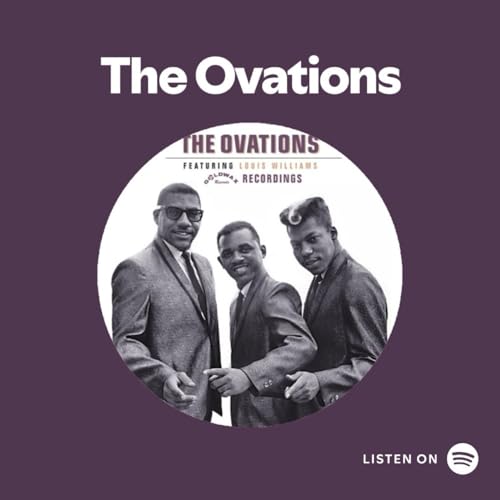
    Photo: Spotify Promo Card

    “Soul Styles: The Ovations – Memphis Harmony That Still Touches the Heart”

    Welcome back to Soul Pod Classics and our Soul Styles series. Today we’re stepping into the world of Memphis soul with a group that delivered pure heart and silky harmonies — The Ovations. If you love that warm, emotional Southern soul sound with a touch of Sam Cooke elegance, you’re in for a treat?

    Back in the early 1960s in Memphis, three young men — Louis Williams, Nathan ‘Pedro’ Lewis, and Elvin Lee Jones — came together with a shared love for gospel and the smooth sounds of Sam Cooke. They signed with Goldwax Records, the same label that gave us James Carr and O.V. Wright. Their first recordings had that raw, heartfelt quality that defined the Memphis sound — no heavy orchestration, just voices and real feeling.

    The standout track from The Ovations is ‘I’m Living Good’. It’s a great song that collectors still chase. It’s a soul song by the Ovations featuring lead vocalist Louis Williams, whose style is often compared to Sam Cooke released in 1966 on the Goldwax records label. It became a popular seller, particularly in the southern United States.

    I’m Gail Nobles, and you’re listening to Soul Styles on Soul POD Classics.


    About Soul Classic Music
    続きを読む 一部表示
    2 分
  • Henry Lumpkin - Don’t Leave Me 4:7:26 3.47 PM
    2026/04/07
    Intro: Gail Nobles
    Podcast cover by: Gail Nobles
    Story by: Gail Nobles

    In the world of soul music, few songs capture heartfelt emotion quite like "Don't Leave Me" by Henry Lumpkin. Originally released in 1962, this track was the B-side to Lumpkin's single "What Is A Man (Without A Woman)" on the iconic Motown label.

    The song stands out not just for its stirring melody but also for its impressive writing team. Crafted by legends such as Berry Gordy Jr., Smokey Robinson, Brian Holland, and Robert Bateman, "Don't Leave Me" showcases the talent that made Motown famous.

    Musically, the song embraces the classic rhythm and blues sound of the early '60s. With its smooth beats and touching lyrics, it tells a story of love and longing. The singer pleads for his lover to return after waking from a painful dream, capturing the heartache many can relate to.

    As "Don't Leave Me" gains renewed attention, it reminds us of the timeless power of soul music and the emotions it evokes. Henry Lumpkin's heartfelt track continues to connect, proving that some songs never go out of style.

    I’m Gail NoblesStory, and you’re listening to Soul POD Classics.

    About Soul Classic Music
    続きを読む 一部表示
    2 分