エピソード

  • 240. Independent Pediatric Practice: Can It Survive?
    2025/04/02

    Have you ever wondered how pediatricians balance autonomy, mentorship, and the pressing demands of modern healthcare?

    In this episode of “Pediatric Meltdown,” host Dr. Lia Gaggino welcomes Dr. Chris Peltier, MD, FAAP, who describes the rewards and hurdles of serving children through private practice, collaborative initiatives, and academic roles. He underscores the power of supportive peer networks to tackle shifting hospital structures, financial complexities, and the mental health needs of growing populations. His reflections reveal how advocacy, teaching, and flexibility can sustain a genuine passion for pediatrics.

    Will these strategies ensure a vibrant future for the next generation of caregivers?

    [00:00 - 22:18] Autonomy and Private vs. Hospital-Owned Practices
    • Shifts toward hospital system acquisitions reduce physician independence.
    • Succession planning gaps leave practices vulnerable to buyouts or closures.
    • Administrative decisions can feel distant from day-to-day patient care.
    • Becoming an employed physician can alleviate the stress of business management.

    [22:19 - 37:04] Collective Approaches to Independent Practice Success
    • Collaborating across independent practices can reduce expenses, such as vaccine costs.
    • Sharing vendors and resources fosters a supportive rather than competitive environment.
    • Group quality improvement projects tackle issues like asthma or anxiety in children.
    • Large networks can negotiate better insurance contracts on behalf of multiple practices.

    [37:05 -51:42] Preceptor Support and Compensation Strategies
    • Intrinsic motivation—such as the joy of mentoring—often drives physicians to teach.
    • Efficient time management (e.g., scribing during patient visits) enables bedside teaching.
    • Chapters and national organizations collaborate to advocate for preceptor stipends.
    • Small but meaningful policy changes (like state tax incentives) can bolster teaching efforts.

    [51:43 - 1:07:43] Local Chapters and Advocacy for Child Health Initiatives
    • Mental health screenings, including suicide risk assessments, become embedded in well visits.
    • Working with community partners and even firearm ownership groups promotes harm reduction.
    • Coordinated action with lawmakers helps defend programs that protect vulnerable populations.
    • Sharing successful programs across state lines broadens the reach of proven solutions.

    [1:07:44 - 1:19:52] Dr. G’s TakeAways


    Contacting Dr.Peltier

    FaceBook:: https://www.facebook.com/cpeltier007

    X:@cpeltier007

    INstagram:: https://www.instagram.com/cpeltier007/


    Additional Resources Mentioned

    The Pediatric Management Institute https://pediatricsupport.com

    AAP Section on Administration and Practice Management SOAPM

    AAP Council on Community Pediatrics COCP

    AAP Advocacy...

    続きを読む 一部表示
    1 時間 20 分
  • 239. Autism Spectrum Disorders: Parent Navigation Through the Teen Years
    2025/03/26

    What does it really take to guide a teenager toward independence in an ever-changing world?

    From managing IEPs and beginning transition planning at 14 to fostering self-awareness and skills for adult life, the journey is layered with challenges and growth. Parents like today’s guest, Natasha Robertson grapple with teaching social media safety, addressing emotional needs, and balancing day-to-day struggles with long-term goals. The process is both exhausting and inspiring, requiring patience, persistence, and firm advocacy. While the tools like coaching, therapies, and community support help, the weight often falls on families to navigate complex systems, such as educational frameworks and disability services. For teens, building independence means developing judgment, learning routines, and understanding boundaries in a digital age. For parents, like Natasha, it means preparing them for emotional, financial, and social self-reliance while ensuring basic skills are mastered.

    Are we as a society truly equipping these families and teens with the tools they need, or are we still leaving them to figure it out in isolation?

    [00:00 - 08:34] Evolving Services and Self-Advocacy
    • Realizing that past trial-and-error with therapies informs current decisions
    • The child’s ability to describe symptoms (e.g., stomach pain, insomnia) guides interventions
    • Emphasizing the shift from purely parent-led advocacy to incorporating the teen’s direct feedback
    • Preparing for ongoing changes in support needs as the child advances academically and socially

    [08:35 - 15:47] Navigating the Teen Years
    • Addressing the impact of puberty and hormonal shifts on behavior
    • Considering new social interactions and the need for structured support
    • Implementing coaching strategies for everyday routines (e.g., chores, picking out clothes)
    • Recognizing that independent living skills build gradually through guided practice

    [15:48 -28:40] Managing Digital Boundaries
    • Establishing phone usage restrictions (e.g., set times) to protect against late-night browsing
    • Finding monitoring tools (apps that flag concerning words) to balance privacy and safety
    • Realizing that direct honesty about monitoring builds trust with teens
    • Coaching the teen on responsible online communication and the risks of oversharing personal data

    [28:41 - 53:19] Caregiver Self-Care and Resilience
    • Carving out small daily moments for personal relaxation (e.g., a movie break or foot soak)
    • Relieving stress by connecting regularly with supportive friends
    • Observing that the teen’s increased coping skills allow the caregiver to pause before intervening
    • Trusting the cumulative impact of years of therapies and interventions

    [53:20 - 1:01:50] Dr. G’s TakeAways

    Contact Natasha Robertson

    n.robinson8@gmail.com.

    Additional Resources Mentioned
    • Community Living Supports: Services that assist with daily living skills and social engagement.

    • Individualized Education Program (IEP) & Transition Planning: Formal educational plans that outline services and future goals for adolescents.

    • Career-Connect Programs: Local agencies or initiatives that help teens explore job training, résumé building, and employment opportunities.

    • Book: A teen parenting guide by Dr. Ken Ginsburg, titled Congrats, You’re Having a Teen, referenced for positive perspectives on adolescence.
    続きを読む 一部表示
    1 時間 3 分
  • 237. Physician Wellness: Needed Now More Than Ever
    2025/03/12

    Could coaching be the key to overcoming burnout and moral injury that plagues the medical profession?

    In this episode of Pediatric Meltdown, Dr. Lia Gaggino welcomes back Dr. Adrienne Mann and Dr. Tyra Fainstad, pioneers in physician well-being research, as they unpack the results from their studies on the impact of group coaching on physicians. Drs. Mann and Fainstad share their journey from a "cute little study" to a groundbreaking national program that offers a lifeline to medical students, residents, and faculty. As they study the struggles and triumphs of physicians battling burnout, moral injury, and self-compassion deficits, they reveal a whole new approach to healing and growth.

    Hear how their innovative program is providing solace to thousands and lighting a path to flourishing in medicine.

    [00:05 - 01:17] Transforming Physician Wellness through Coaching

    • Explore the origins of a simple idea during the pandemic that blossomed into a renowned coaching program
    • Understand how pivoting to online platforms expanded their coaching reach significantly beyond initial expectations
    • Discover the importance of addressing burnout, moral injury, and imposter syndrome in healthcare professionals
    • Learn about the innovative group coaching model and its profound impacts versus traditional one-on-one methods

    [01:18 - 03:54] Impactful Outcomes of Group Coaching

    • Recognize the need for a targeted approach focusing initially on women due to higher burnout representation
    • Evaluate the coaching methodology's evolution from novice trials to thousands of residents in randomized control settings
    • Appreciate insights into baseline distress levels and how these reveal prevailing systemic issues
    • Analyze how group coaching effectively elevated self-compassion, reduced moral injury, and tackled burnout

    [03:55 - 06:06] Inclusivity and Institutional Partnerships

    • Grasp the expanding scope to now include men and diverse genders, enhancing coaching accessibility
    • Reveal the collaboration with institutions to democratize coaching, offering programs at low costs per participant
    • Examine how privacy and anonymity are maintained to encourage participation without stigma
    • Recognize the structural evolution from restricted groups to open participation for trainees at all career stages

    [06:07 - 8:52] The Future Direction of Physician Coaching Programs

    • Investigate the ongoing research into why and how coaching uniquely benefits medical professionals
    • The potential restructuring of medical leadership to address autonomy and eradicate systemic burnout
    • Appreciate the continuous refinement and adaptation of the coaching model based on participant feedback
    • Fact-check how empirical evidence supports the coaching method's resilience against challenges posed by modern healthcare

    [48:51-32:50] Dr. Lia’s TakeAways

    Connect with Dr. Adrienne Mann

    Instagram: @amw1983


    Connect with Dr. Tyra Fainstad

    Instagram: @Tyraindenver


    Resources Mentioned in the Episode

    Better Together Coaching https://bettertogetherphysiciancoaching.com/

    -Major updates: You can see our website here for research and peer-reviewed evidence updates.

    Of high interest is our most

    続きを読む 一部表示
    1 時間 2 分
  • 234. Chronic Pain in Kids: An Innovative Approach
    2025/02/19

    Did you know that nearly twenty-five percent of adolescents suffer from chronic pain, and for some, it’s severe enough to impact daily life?

    In this episode of Pediatric Meltdown, Dr. Lia Gaggino and guest Dr. Lonnie Zeltzer talk about the complexity of chronic pain in children and adolescents—a subject often misunderstood and inadequately addressed in pediatric medicine. Through personal anecdotes and expert insights, Dr. Zeltzer shares her journey from a curiosity about adolescent medicine to specializing in pediatric chronic pain using modern pain science. This conversation not only unravels the preconceived beliefs surrounding chronic pain but also offers potential pathways and methods to manage and reframe the experience of pain in young individuals.

    The episode is an eye-opener for anyone seeking to understand and support children grappling with chronic pain.


    [00:00 - 17:02] Prevalence and Challenges of Pediatric Chronic Pain
    • Chronic pain affects 15–30% of adolescents globally, with 15% experiencing severe impairment.
    • 70% of adolescents with untreated chronic pain develop adult chronic pain.
    • Pediatricians often lack training in modern chronic pain management concepts.
    • Subspecialists frequently struggle to address chronic pain after ruling out organic causes.

    [17:02 - 27:55] Neurobiological and Psychosocial Factors
    • Chronic pain correlates with limbic system hyperactivity and prefrontal cortex underdevelopment in adolescents.
    • Neurodiverse individuals may experience heightened sensory sensitivity, amplifying pain perception.
    • Hypnotherapy and cognitive behavioral therapy (CBT) retrain pain-related neural pathways.
    • POTS (postural orthostatic tachycardia syndrome) reflects autonomic nervous system dysregulation linked to chronic pain.

    [27:56 - 21:06] Gastrointestinal and Autonomic Dysregulation
    • Irritable bowel syndrome (IBS) stems from brain-gut axis dysfunction, not structural gastrointestinal issues.
    • Autonomic dysregulation in POTS requires salt intake, hydration, and compression garments for management.
    • Acupuncture and acupressure offer nonpharmacologic relief, particularly for needle-tolerant patients.
    • Abdominal pain often involves muscular tension, addressed through targeted physical therapy.

    [21:07 - 48:48 ] Practical Clinical Interventions
    • Brief in-office mindfulness exercises (e.g., guided breathing) provide immediate stress relief.
    • Motivational interviewing helps adolescents identify achievable goals, like gradual physical activity.
    • Parent-child dyads benefit from joint mindfulness apps (e.g., Insight Timer) to reduce household stress.
    • The "five golden minutes" of non-directed play or connection improve emotional regulation.


    [48:49 - 54:23] Dr. Lia’s Takeaways

    Connect with Lonnie Zeltzer


    https://linktr.ee/mychyp

    https://www.instagram.com/my_chyp/

    https://www.linkedin.com/company/creative-healing-for-youth-in-pain/

    https://www.facebook.com/creativehealingforyouthinpain


    Resources mentioned in the...

    続きを読む 一部表示
    1 時間
  • 233. Tackling Child Poverty: The Rx Kids Initiative
    2025/02/12

    Could a simple cash transfer program hold the key to reducing child poverty?

    In this episode of Pediatric Meltdown, host Dr. Lia Gaggino chats with pediatrician and advocate, Dr. Brittney Tayler, about an innovative program called Rx Kids. Together, they explore how cash transfers can improve child health and well-being, especially in communities facing deep poverty. Dr. Tayler shares her firsthand experience in Flint, Michigan, detailing the transformation she's witnessed through the Rx Kids program. From addressing housing issues to boosting educational outcomes, this episode uncovers the impact that a single initiative can have.

    Connect with the importance of advocacy and how one person can drive significant change, leaving a lasting impression on the entire community.

    [00:00 - 05:07] From Pediatrics to Advocacy: Dr. Tayler's Journey
    • Find out how an accidental advocacy led to Dr. Tayler’s increased involvement in health policy.
    • Understand the significance of Dr. Tayler’s meeting with a senator, and the impact it had on health legislation.
    • Learn about the challenges of navigating advocacy as a medical professional.
    • Appreciate the support Dr. Tayler received from experienced mentors to sharpen her advocacy skills.

    [05:07 - 12:32] Understanding Poverty's Impact on Child Health
    • Explore the key aspects of poverty affecting child health, including housing and food security.
    • Recognize the critical role of parents' stress levels in influencing children's well-being.
    • Explore the widespread effects of poverty on all domains of health and life.
    • Analyze how poverty can deeply affect educational outcomes and opportunities for children.

    [12:32 - 21:07] Rx Kids: Transforming Communities Through Direct Cash Transfers
    • The transition from expanded child tax credit to the creation of Rx Kids.
    • Discover the pivotal role of expanded child tax credits in reducing child poverty during the pandemic.
    • How small studies and data informed the large-scale development of Rx Kids.
    • Discover the impactful results seen so far in communities participating in direct cash transfer programs.

    [21:07 - 30:21] Pioneering Change and Empowering Communities
    • Understand why Flint, Michigan, became the perfect place to pilot the Rx Kids program.
    • Uncover the logistical aspects and eligibility criteria of the Rx Kids cash transfer program.
    • The importance of dignity, trust, and community-wide benefits in program implementation.
    • Future aspirations: how Rx Kids aims to expand and sustain its impact in Flint and beyond.

    [30:22 - 35:21] TakeAways


    Connect with Dr. Brittney Tayler

    Facebook – https://www.facebook.com/RxKidsUS

    Instagram - https://www.instagram.com/rxkidsus/

    LinkedIn - https://www.linkedin.com/company/rx-kids/


    Resources mentioned in the show:


    • https://rxkids.org/about/communities/flint/


    • Chevy in the Hole by Kelsey Ronan https://www.amazon.com/Chevy-Hole-Novel-Kelsey-Ronan/dp/125080390X


    • Luke Shaefer PhD
    続きを読む 一部表示
    54 分
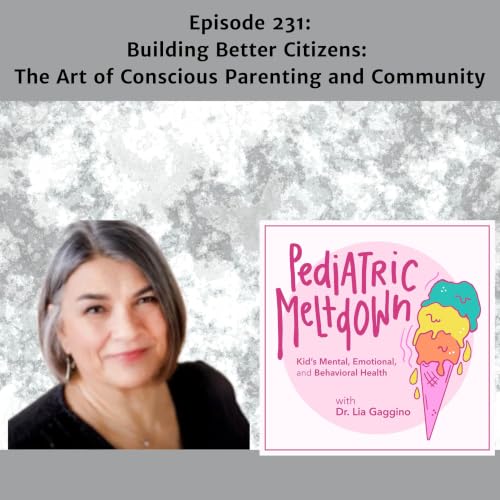
  • 231. Raising Good Citizens Through Conscious Parenting
    2025/01/29

    Raising Good Citizens Through Conscious Parenting

    What does it take to raise thoughtful citizens and build stronger communities while navigating the challenges of parenting, aging, and personal growth?

    In this episode, Dr. Robert Saul], an author and pediatrician, shares his insights from his career dedicated to advocating for children, families, and communities. Dr. Saul discusses his journey of writing books that cater to parents, children, and physicians, including one described as "Goodnight Moon with a message," using vivid illustrations and meaningful text to engage families. Through relatable examples like managing tantrums, school avoidance, and making tough decisions as both parents and children of aging parents, Dr. Saul emphasizes the importance of fostering responsibility and kindness. Drawing wisdom from the "5 M's" of mentoring, mediating, mobilizing, monitoring, and motivating, Dr. Saul inspires listeners to embrace their roles as sages and positive influences.

    Will this be the conversation that reshapes the way you see parenting and citizenship?

    [00:05- 11:27] Foundations of Conscious Parenting

    • Key realization: “I am the problem, I am the solution, I am the resource.”
    • The role of community engagement in addressing societal issues like teenage pregnancy and disengagement.
    • Introduction to the “Five Steps to Community Improvement.”
    • Impact of Columbine (1999) and its role in inspiring advocacy and writing.

    [11:28 -20:54] Overcoming Adverse Childhood Experiences (ACEs)

    • The significance of nurturing, safe, and stable relationships (SSNRs).
    • Introduction to SSNRs as a buffer against toxic stress.
    • Role of parents in creating environments that foster resilience in children.
    • Emphasis on pediatricians' responsibility to guide and support parents.

    [20:55 - 35:58] The Parental Awareness Threshold (PAT)

    • Concept of being "above the line" (curious and open) vs. "below the line" (closed and defensive).
    • Strategies for managing stress and frustration as a parent: pause, assess, choose.
    • Frameworks for addressing challenges like tantrums and teenage rebellion.
    • Balancing empathy with practical parenting techniques.


    [35:59 - 46:30] Advocacy and Community Engagement

    • Role of pediatricians in supporting families facing poverty, domestic violence, or instability.
    • The importance of advocacy for systemic changes to improve family support.
    • Encouraging involvement in organizations like the American Academy of Pediatrics (AAP).
    • The significance of professional networks for mutual support and advocacy.


    Connect with Dr. Saul:

    robertsaul@me.com

    https://mychildrenschildren.com/ to learn more.


    Resources mentioned in the show:


    Books

    • My Children’s Children
    • Thinking Developmentally
    • Conscious Parenting
    • Bowling Alone
    • Conscious Leadership
    続きを読む 一部表示
    47 分
  • 230. Payment Challenges for Pediatric Mental Healthcare and Strategies that Work
    2025/01/22

    This episode was actually published in June 2022, but this is STILL a huge issue, so we thought we would take another listen …

    How can pediatric primary care effectively integrate mental health services amid insurance barriers and coding complexities?

    In this episode, we tackle the significant obstacles impacting the compensation and delivery of mental health services for children. By examining Medicaid, CHIP and commercial insurance coverage for mental health, we highlight challenges that hinder pediatricians and affect their young patients and families. The conversation sheds light on potential solutions, such as integrated behavioral health and group therapy, which may offer new avenues for improving care and financial viability. Through shared experiences from industry experts, we explore potential strategies to both navigate and potentially reform the delivery of pediatric mental health services.

    Considering the significant implications this has on future generations, what steps must we take now to ensure a sustainable and effective approach that genuinely meets the needs of children and their families?

    [00:05- 19:41] Financial and Operational Burdens

    • Household income criteria affect eligibility for Medicaid, impacting family financial planning.
    • Pediatric practices bear costs of unrecognized mental health work because of inadequate reimbursement.
    • Parents' financial stress increased by the lack of integration between medical and mental health services.
    • Complex insurance landscapes necessitate physician adaptability in operations.

    [19:42 -29:58] Pediatric Practice Challenges

    • Mental health visits require more time but yield less reimbursement compared to physical ailments.
    • Physicians provide extensive unpaid follow-up care via phone calls and messages.
    • Insurance systems do not adequately support mental health coding for pediatricians.
    • Complexity in billing for mental health services creates administrative challenges.

    [29:59 - 38:51] Economic and Qualitative Outcomes

    • Coordinated care allows pediatricians to manage comprehensive patient care plans.
    • Insurance company partnerships needed for sustainable pediatric mental health initiatives.
    • Effective systems require data to demonstrate long-term cost benefits and outcomes.
    • Organizations should engage with insurance companies to carve out necessary screening costs


    [38:52 - 1:05:50] Advocacy and Reform Efforts

    • Reform needed in coding and billing processes to reflect the true nature of mental health support.
    • Integrated care models as a potential less visible, but essential cost benefit.
    • Engaging with insurance companies on mutual goals can lead to practice sustainability.
    • Systems must prioritize patient-centered care, integrating mental and physical health.


    [1:05:51 - 1:13:48] TakeAways


    Connect with our guests

    Jenna Vallejo

    Facebook,

    Instagram,

    LinkedIn


    Dr. Jon Price

    nationwidechildrens.com


    Go to https://lifeaftercorporatepodcast.com/ for all episodes

    166 Chronic Illness and...

    続きを読む 一部表示
    1 時間 13 分
  • 225. Youth Concussion: Assessment and Management
    2024/12/18

    Ever wondered how a simple injury can change the course of one's life?

    This episode explores the fascinating journey of a sports enthusiast turned medical professional, inspired by a personal encounter with a sports medicine provider after a college injury. The conversation delves into the complex world of concussions, discussing the evolution of treatment protocols, the importance of individualized care, and the severe risks of prematurely returning to play. You'll learn about tools like the SCAT symptom score and the VOMS for monitoring recovery, and the often-overlooked psychological impacts of concussions on young athletes. But perhaps the most crucial takeaway is the stark reminder: concussions are no joke, and honesty about symptoms can be a matter of life or death.

    Are you ready to rethink what you know about concussions?

    [00:33- 10:59]Initial Assessment and Management of Concussions

    • The SCAT (Sport Concussion Assessment Tool) is mentioned as a crucial tool for evaluating concussions.
    • The importance of understanding the broad nature of concussions and their varied symptoms.
    • Reassuring patients and their families about the management plan.
    • An emphasis on the need for individualized treatment plans for concussions.

    [11:00 -16:47] Red Flags and Immediate Concerns

    • Red flags that indicate a more serious condition, such as worsening symptoms and unusual behavior.
    • Specific symptoms like nausea, vomiting, and severe headaches that should raise concern.
    • Trusting your instincts and gut feelings when assessing a concussion.
    • Immediate action is needed if a patient's condition deviates from expected recovery patterns.

    [16:48 - 44:47] High-Risk Sports and Gender-Specific Risks

    • High-risk sports for concussions, including for men: wrestling, basketball, soccer: For women: cheerleading
    • There is a potential for prolonged recovery in athletes with underlying medical issues.
    • Initial visits should focus on identifying concerning symptoms and ruling out underlying conditions.
    • A comprehensive approach to managing concussions is needed, especially in high-risk sports.


    [44:48- 58:16] Treatment Algorithm and Activity Management

    • Treatment Algorithm and Activity Management
    • An outline of a general treatment algorithm for managing concussions in the first 48 hours and beyond.
    • The importance of gradually returning to activity while ensuring symptoms do not worsen.
    • Provide physical therapy orders and ensuring PT sites treat concussions effectively.
    • Educate patients and families about the expected recovery process and potential setbacks.


    [58:17 - 01:10:00] Takeaways


    Resources:

    AAP Sports-Related Concussion Recommendations:

    AAP Concussion Recommendations

    AAP article and Amsterdam Consensus: Statement: AAP and Amsterdam Consensus Statement

    AAP Vision and Concussion: Vision and...

    続きを読む 一部表示
    1 時間 10 分