エピソード

  • Financial Freedom Transformed My Ministry: A Pastor’s Guide to Money Without Shame with Nicholas E Michels
    2025/12/31
    Is it selfish for pastors to focus on their own financial future? What if prioritizing your financial freedom is actually the most biblical thing you can do for your ministry? In this powerful conversation with Dr. Nicholas Michels—financial strategist, bestselling author, and founder of Michels Family Financial—we tackle the guilt and stigma that keep ministry leaders from achieving financial freedom. Dr. Nick shares his personal journey from witnessing financial devastation in his childhood home to helping his own mother rebuild her life, and how his brother’s experience as a pastor opened his eyes to the unique financial challenges ministry families face. Discover why financial stress destroys marriages, how to create a vision statement that transforms your relationship with your spouse, and why “outwardly successful but inwardly stressed” describes so many ministry leaders. Dr. Nick explains the “mastermind effect” in marriage, shares the practical steps to get on the same page financially, and reveals why the Bible is the greatest success money book ever written. This episode will change how you think about money, stewardship, and what it means to serve well in ministry. Read the full transcript. What You’ll Learn Why pastors shouldn’t feel guilty about prioritizing their finances (and how it strengthens ministry)How childhood money experiences shape your current financial decisionsThe vision statement exercise that saved Dr. Nick’s marriage and transformed his financesWhy being “outwardly successful but inwardly stressed” is so common in ministryHow to get on the same page financially with your spouse (even if one person handles the money)The “mastermind effect” happens when two minds work toward one financial goalWhy financial freedom deepens your relationship with God instead of replacing trustPractical daily activities that lead to financial peace and confidenceHow to use your financial struggles as a powerful ministry testimony Key Quotes “If you have a church and you’re teaching the good news and all of a sudden your finances go south and you don’t have a church anymore because of that, how are you gonna teach people the good news? So prioritizing finance is absolutely important. It doesn’t make you selfish.” – Dr. Nicholas Michels “You don’t take money with you, but you take the hearts and souls of those you lead to Christ with you.” – Dr. Nicholas Michels (quoting his client Donnie) “When you’re having money problems, money sucks the joy out of every aspect of your life, every category.” – Dr. Nicholas Michels “My happiness wasn’t going up ’cause we weren’t doing it together and that was my fault.” – Dr. Nicholas Michels “I just want to know that we’re in this together.” – Dr. Nick’s wife (the turning point conversation) “Where your treasure is, there your heart will be also. If you’re not aligned on where the treasure is, then you’re not aligned in terms of your hearts.” – Joy Suzanne Hunt “It wasn’t like ‘I’m not trusting God ’cause I’m working on this.’ Me and God are working on this together.” – Joy Suzanne Hunt “Happiness is on the other side of resiliency.” – Dr. Nicholas Michels “The Bible’s the greatest success money book ever written. All the great advice out there from Dave Ramsey to Warren Buffett can be found in the Bible.” – Dr. Nicholas Michels About Our Guest Dr. Nicholas E. Michels is a financial strategist, bestselling author, and founder of Michels Family Financial. What makes Dr. Nick unique is his personal journey from financial hardship in a broken home to financial freedom and his passion for helping people, including ministry leaders, overcome the guilt and stigma around managing money well. With his brother serving as a pastor, Nick understands the unique financial challenges that ministry families face and believes that being a good steward of your finances isn’t selfish—it’s biblical. His book, “Rich by Choice,” teaches people not just how to become wealthy, but how to be rich in faith, relationships, and life experiences. Resources Mentioned Rich by Choice (book by Dr. Nicholas Michels)Free Gift: The Power of Compounding Chapter – Get your free chapter at www.richbychoicebook.comMichels Family FinancialThe Vision Statement Exercise (detailed in Rich by Choice)The Rocking Chair Test – Looking back at 110 years old, what makes a great life?John Templeton Sr.’s quote: “Anything you do can be your ministry.”Jeremiah 29:11 – “For I know the plans I have for you, declares the Lord.” Practical Takeaways The Vision Statement Exercise Grab 10 pieces of paper and find a quiet areaTake 45 minutes and write out EVERYTHING you want to accomplish in lifeBe specific – not just “I want to retire” but what does Tuesday afternoon look like when you’re retired?Cover all areas: faith, personal growth, relationships, family, ...
    続きを読む 一部表示
    1分未満
  • Breaking Generational Strongholds: Pass Better Money Habits to Your Kids
    2025/12/17
    What if the money struggles you’re facing today aren’t really about your budget—but about patterns passed down from your parents and grandparents? In this powerful conversation with Andy Yoder, Ramsey Preferred Financial Coach and former youth pastor, we explore how generational money habits shape our financial decisions and, more importantly, how to break free and pass better money habits to the next generation. This post may contain affiliate links. They don’t cost you a penny, but they help provide a source of income for this site. For more information, please see our disclosures. Andy shares his own journey from financial stress and credit card anxiety to peace and purpose, revealing how his transformation didn’t just change his marriage—it became a ministry. From parents who never talked about money to emotional spending that masks loneliness, Andy unpacks the hidden patterns that keep families trapped in unhealthy money cycles. Read the Full Transcript. What You’ll Learn Discover practical, age-appropriate ways to teach your kids about money, why your children are watching (even when you think they’re not), and how handling money well opens doors for the gospel. Whether your kids are toddlers or adults, it’s never too late to start building better money habits that will echo through generations. How generational money patterns get passed down (and how to recognize them in your own life)Why financial stress affects every area of life—marriage, parenting, and your relationship with GodThe power of testimony: How one mom in her 50s inspired her adult kids to make radical financial changesPractical ways to teach financial literacy in daily life (with real examples you can use today)Why money problems often reveal deeper needs for community, purpose, and connectionHow to include kids in family financial goals without overwhelming themThe surprising connection between faithful money management and gospel witnessWhy pastors and ministry leaders struggle to talk about their own money challenges Key Quotes “I thought it was too late, but they’re watching. And that was the, it’s the power of a testimony. It’s the power of a changed life.” – Andy Yoder “You’re handling money well, that opens up the doors for the gospel to go forth… the way that I’m handling not my money, but God’s money is, could be a direct result of somebody coming to know Jesus for the first time.” – Andy Yoder “They notice you have conversations about money that aren’t arguments. You know, they notice, oh, oh, there’s a budget meeting. They notice those things, and we don’t always think, but kids pick up on stuff.” – Joy Suzanne Hunt “The most important decisions are the small ones. And that’s where you’re making one small decision at a time.” – Andy Yoder’s mentor About Our Guest Andy Yoder is a Ramsey Preferred Financial Coach who spent years in youth ministry and as an associate pastor before discovering his calling to help families achieve generational financial transformation. After his own journey from financial anxiety to freedom (beginning in 2016-2017), Andy now specializes in helping individuals and couples—especially those in ministry—break free from generational money patterns and build better money habits. His heart for seeing kids stay connected to their faith naturally connects to his passion for helping parents pass on both spiritual and financial wisdom to the next generation. Resources Mentioned Dave Ramsey’s “The Total Money Makeover“Financial Peace UniversityThe Baby Steps Practical Takeaways Teaching Moments to Try This Week: Use junk mail ads to discuss the real cost of financing purchasesGive kids a budget at the fair or store and let them make spending decisionsInclude children in family financial goals with a vision boardDivide allowance into three categories: give, save, spendInvolve kids in Christmas shopping with a set budget per personLet teenagers participate in car shopping discussions (cash only!) For Parents: Track your spending for one week—just observe without judgmentHave one money conversation with your spouse that isn’t an argumentIdentify one money pattern from your childhood you’d like to changeFind one trusted person to talk honestly about your financial challenges Connect with Pastors & Money Email: joy@pastorsandmoney.comInstagram/Facebook: @pastorsandmoneyWebsite: pastorsandmoney.com/podcast The Pastors & Money Podcast helps pastors, ministry leaders, and churches start thriving financially using money as a tool to fuel God’s mission in our churches and families. This post may contain affiliate links. They don’t cost you a penny, but they help provide a source of income for this site. For more information, please see our disclosures.
    続きを読む 一部表示
    1分未満
  • Beyond Sunday: 7 Strategies to Engage Your Community Through Your Church Building with Loren Richmond
    2025/12/03
    Looking for the Episode Transcript? Episode Description Is your church building sitting empty most of the week while your bills pile up? In this practical conversation with ministry consultant Loren Richmond, Jr., we explore how churches can transform their facilities from financial burdens into thriving community hubs. Loren brings a unique perspective from his years as a pastor, food pantry director, and public housing coordinator. He shares seven creative strategies churches are using to generate revenue while genuinely serving their communities—from music centers and senior ministry programs to emergency response partnerships with utility companies. Discover why the average church size has dropped from 130 to 65 people, how cultural shifts have changed community outreach, and most importantly—how to balance financial sustainability with your church’s mission of creating followers of Jesus. This episode is packed with practical ideas you can implement without losing sight of what matters most. What You’ll Learn Why churches need to rethink their building strategy in today’s financial and cultural climateHow to transform your church building into a music center with lessons, recitals, and performancesCreative ways to serve the growing senior adult population while generating sustainable revenueHow to partner with utility companies for emergency response and crisis ministryThe importance of accounting for true costs—even when donating spaceHow to start slow and set proper boundaries to protect your church’s missionFirst steps to take: pray, survey needs, and assess your resources Key Quotes “The normative size church is 65, so it’s half of what it was [20-30 years ago]. The giving levels just aren’t what they were… So like practically speaking, like the math just doesn’t work.” – Loren Richmond, Jr. “Don’t lose track of what the main thing is… I believe we’re trying to create followers of Jesus here. That being said, find creative ways to engage with our neighbors and reach them where they’re at.” – Loren Richmond, Jr. “We can’t just assume that even though we’re giving space to the Boys and Girls Club or the scouts, there’s a cost to that… It’s gonna be important for us to account for what that cost might be, whether it’s electricity, plumbing, water, wear and tear.” – Loren Richmond, Jr. “You win when you show up. Sometimes showing up looks like making it to the coaching call even when you didn’t do your homework. Sometimes it looks like sitting down for the budget meeting with your spouse.” – Joy Suzanne Hunt About Our Guest Loren Richmond, Jr. is a ministry consultant, pastor, chaplain, and nonprofit leader writing and speaking at the intersection of faith, culture, and church renewal. With more than a decade of leadership in churches and community nonprofits, Loren draws from a deep well of lived experience, both pastoral and practical. He holds an M.Div from Phillips Theological Seminary and an MBA with a nonprofit emphasis from Hope International University. Loren has served in diverse roles from founding pastor to food pantry director to public housing coordinator. He is also the host of the Future Christian Podcast, where he interviews ministry leaders, scholars, and change makers to explore how historic faith can speak meaningfully today. The 7 Strategies Discussed Music Center Ministry – Offers music lessons, hosts recitals and performances, utilizes existing instruments and skilled musicians on staffSenior Adult Ministry Hub – Create socialization spaces, meal programs, and light assistance with daily tasks for the growing 55+ populationEmergency Response Partnerships – Partner with utility companies to serve as cooling/warming centers or emergency response locations during crisesGrant-Funded Community Programs – Develop food programs and other community services that qualify for government or nonprofit grant fundingYouth Ministry Spaces – Address the mental health crisis by creating safe spaces for young people to connect and build relationshipsBusiness Networking Events – Host lunch-and-learns and professional networking groups that serve as valuable “third spaces.”Multi-Purpose Community Hub – Rent to values-aligned organizations like preschools, scouts, AA groups, and sports teams Resources Mentioned Loren’s website: resonatepurpose.orgFuture Christian PodcastThe Church Nerd on SubstackPrevious episode with Ken McQuiller on grant funding for churches Key Takeaways Start with Prayer and Assessment: Pray for God’s directionSurvey needs in your church and neighborhoodTake stock of your physical, human, and financial resourcesLook for the overlap between resources, opportunities, and mission Account for True Costs: Even donated space has costs (utilities, wear and tear, maintenance)Add line items to your budget for space use—even if you’re not chargingWhen necessary, ask organizations to ...
    続きを読む 一部表示
    28 分
  • Smart Tax Planning for Pastors with Gale Sciascia, EA
    2025/11/19
    Housing Allowances, Reimbursement Plans, and Tax Strategies Every Ministry Leader Needs 00:00:00 – Welcome & Introduction00:01:00 – Ministry Spotlight: The Adams Family in Bolivia00:02:00 – Meet Gale Sciascia: Tax Planning Expert00:04:00 – The Dual Tax Status Challenge Pastors Face00:06:00 – Housing Allowances: Your Most Valuable Tax Break00:07:00 – How Your Church Board Should Approve Housing Allowances00:09:00 – How Housing Allowances Show Up on Your W200:11:00 – Should You DIY Your Ministry Taxes?00:13:00 – Accountable Reimbursement Plans: Stop Paying Tax on Money That Isn\’t Income00:16:00 – Handling Your Wedding and Speaking Income the Right Way00:18:00 – One Proactive Step to Reduce Your Tax Anxiety This Week00:19:00 – Building Tax Tracking Into Your Weekly Routine00:22:00 – Why the IRS Cares So Much About Mileage00:23:00 – Lightning Round: Financial Habits That Make a Difference00:30:00 – Thank You for Listening For the Full Episode Transcript Click Here Ministry Spotlight: The Adams Family in Bolivia Micah and Karissa Adams serve as missionaries to six indigenous tribal groups in the Amazon jungles of Bolivia, using medical outreach and oral Bible storytelling to share the Gospel with communities that have waited over 2,000 years to hear it. Learn more and find out how to support their ministry at pastorsandmoney.com/spotlight. Show Notes Are you leaving money on the table because you don’t understand how ministry taxes work? In this essential conversation with Gale Sciascia—enrolled agent and co-founder of Sasha Tax and Retirement—we break down the tax strategies every pastor and ministry leader needs to know. Gale explains the unique tax situation pastors face: considered an employee for income taxes but self-employed for Social Security and Medicare. This dual status creates confusion and leads to missed opportunities like underutilizing housing allowances, failing to set up proper reimbursement plans, and not planning for self-employment tax. From understanding how housing allowances work whether you live in a parsonage, own your home, or rent, to setting up accountable reimbursement plans that stop you from paying taxes on money that isn’t really income, this episode gives you clear, actionable steps to reduce your tax burden and protect what you’ve earned. Plus, Gale shares the one proactive step you can take this week to transform tax anxiety into confidence. What You’ll Learn Why pastors have dual tax status and what that means for your financesHow housing allowances work and why proper documentation is criticalThe difference between housing allowances for parsonages, owned homes, and rentalsWhat an accountable reimbursement plan is and why every church needs oneHow to handle side income from weddings and speaking engagements correctlyThe biggest documentation mistakes that lead to failed auditsWhy mileage tracking is one of the IRS’s biggest red flagsOne proactive step to reduce tax anxiety and set yourself up for successWhether you should DIY your ministry taxes or hire a specialist Key Quotes “Pastors don’t necessarily understand that they have sort of dual status. So they are considered an employee for income taxes, but self-employed for Social Security and Medicare. And so that tends to raise some confusion for them, and it also leads to some missed opportunities.” – Gale Sciascia “The easiest way to fail an audit or have expenses disallowed and bring on other challenges is not having proper documentation.” – Gale Sciascia “We want you to have [an accountable reimbursement plan] so that you can be reimbursed and it not be included in your income, then you’re not paying tax on a dollar amount that is not really income.” – Gale Sciascia “Don’t wait. Claim your salvation, right? Like, don’t wait until tomorrow. Do it today.” – Gale Sciascia (quoting Pastor Robbie) “Finances are a tool to help you sustain what you’re called to do. We need to keep our mission moving with integrity and balance and use the tools available to us.” – Gale Sciascia About Our Guest Gale Sciascia is a recognized enrolled agent and co-founder of Sasha Tax and Retirement. With over 15 years of experience, Gale helps business owners, professionals, and ministry leaders translate complicated tax code into clear actionable strategies. As a federally licensed tax professional authorized by the United States Department of Treasury, she represents taxpayers before the IRS in all 50 states, handling everything from tax preparation and planning to collections and audits. Her mission is simple: educate, break financial restraints, and transform tax anxiety into wealth-building confidence. Resources Mentioned Shasha Tax and Retirement: shashatr.comPhone: 615-723-1570Mileage tracking apps, like EverlanceQuickBooks for financial trackingMicrosoft Excel for budgeting (Looking for the perfect business spreadsheet?) Documentation ...
    続きを読む 一部表示
    1分未満
  • Why Pastors Secretly Struggle to Ask for Help with Mike van Pelt
    2025/11/05
    View the Full Episode Transcript Episode Description What happens when church leaders are so busy doing ministry that they lose their intimacy with Christ? In this powerful conversation with Mike van Pelt—Christian men’s coach, author, and speaker—we explore the hidden struggles pastors face and why asking for help is one of the most courageous things a leader can do. Mike shares his personal journey from church burnout to discovering true intimacy with Christ at a men’s retreat, and how that breakthrough led him to create True Man Life Coaching. From the pressure to “have it all together” to the dangerous pattern of burying emotions, Mike reveals why so many ministry leaders struggle in silence—and what it costs them, their families, and their churches. Discover why building margin in your life isn’t optional, how ego and pride prevent leaders from getting the help they need, and why the younger generations might actually have something to teach us about vulnerability. This episode offers both challenge and hope for pastors who know they need help but don’t know where to start. What You’ll Learn The difference between belief in Christ and relationship with Christ—and why pastors can lose intimacy while doing church workWhy men (and male pastors especially) struggle to show emotions and ask for helpHow church leadership becomes a job that crowds out personal worship and spiritual intimacyThe importance of building margin in your life as a ministry leaderWhy “fake it till you make it” is dangerous modeling for your congregationHow to silence the inner voice that says “you’re supposed to have all the answers”Practical first steps for pastors who know they need help but don’t know where to startWhy Gen Z and Millennials are seeking answers from the church—and what that means for ministry leaders Key Quotes “Even though I’d been a Christian all my life, even though I was actively involved in the church, one of the things that was missing, and I didn’t know it at the time, was I did not have an intimate relationship with Christ.” – Mike van Pelt “I just remember staring up at the ceiling in the gym… And what I realized was, I’m going to church on Sunday. I’m not even hearing what the pastor saying, I’m getting nothing outta this.” – Mike van Pelt “In that moment, Christ came to me and said, I want a relationship with you. You’re my beloved son… I had no idea that kind of relationship was available.” – Mike van Pelt “What a pastor’s doing in that moment [when asking for help] is modeling something really important—it’s okay to get help.” – Mike van Pelt “The challenges that pastors face as leaders in the churches is incredibly daunting in this age… There’s just no possible way a single human being could be equipped to deal with all of it.” – Mike van Pelt “I think it demonstrates courage to ask for help… and it also makes it safe for the next person to ask for help.” – Joy Suzanne Hunt About Our Guest Mike van Pelt is a Christian men’s coach, author, and speaker who helps men break free from limiting beliefs, reclaim their identity, and live with boldness and authenticity. Through his signature message—the power of asking for help—drawn from his book True Man, True Ways: A Roadmap of Discovery to the Masculine Heart, Mike equips men to step into God-honoring leadership, build lasting legacies, and live with conviction in every area of life. He hosts the True Man Podcast and leads weekly men’s groups focused on deep, authentic relationships. Resources Mentioned True Man, True Ways: A Roadmap of Discovery to the Masculine Heart by Mike van PeltTrue Man Life Coaching: truemanlifecoaching.comTrue Man PodcastProverbs 3:5-6 (Mike’s go-to verse for encouragement)1 Timothy 4:12 (Setting an example / becoming an example) Practical Action Steps Start journaling – Get your thoughts and feelings down on paper. Ask yourself: “What am I feeling right now?” Then take it to God: “What do you think about this?”Find 1-2 trusted mentors – Keep your circle small but intentional. Find people who will listen well and ask powerful questions.Attend a men’s retreat – If you’ve never been to a retreat, consider it. These environments create space for breakthrough and deeper relationship with God.Create margin in your schedule – Build in time where you’re not “fixing” or leading—time to just be with God and process life.Practice vulnerability strategically – Choose what to be vulnerable about and with whom. You don’t have to share everything with everyone, but you do need to get help. Connect with Mike van Pelt Website: truemanlifecoaching.comFacebook: Mark van PeltYouTube: youtube.com/marksent1 Mike is also developing speaking engagements for churches and organizations about the power of asking for help, especially as it relates to different generations. Connect with Pastors & Money Email: ...
    続きを読む 一部表示
    1分未満
  • Pastors, Don’t Wait Until Retirement to Live Your Legacy (And 3 Ways to Start Today) with Kyle Gabhart
    2025/10/22
    View the episode transcript here. Episode Description What if retirement isn’t about fishing and golfing for the rest of your life? In this powerful conversation with legacy strategist Kyle Gabhart, we explore a radically different view of pastors retirement, one rooted in biblical examples and kingdom purpose. Kyle uses Moses as a biblical model for understanding retirement, showing how he had two complete 40-year careers before training his successor Joshua. This challenges our cultural assumption that retirement means the end of purposeful work. Instead, Kyle advocates for “retiring to something, not just from something.” Discover why the traditional model of compartmentalizing life—building wealth first, then serving later—is shortsighted and potentially dangerous. Learn the difference between “leaving a legacy” and “living a legacy,” and why waiting until your golden years to pursue ministry and purpose might mean missing the opportunities God has for you today. From King David’s “side hustle” that became his most lasting contribution, to the urgent need for succession planning in ministry, this episode will challenge how you think about the later seasons of life and inspire you to integrate purpose, ministry, and legacy throughout your entire journey. What You’ll Learn Why Moses provides the only biblical example of something resembling retirementThe danger of compartmentalizing life into “career years” and “ministry years”How to shift from “leaving a legacy” to “living a legacy” starting todayWhy the fishing-and-golfing retirement model leaves people feeling hollow and unsatisfiedHow to “date” different ministries and passions before fully committing in later yearsThe critical importance of succession planning and mentoring as part of your job descriptionWhy identity should be rooted in Christ, not your vocation or careerPractical steps for preparing for later years while staying purposeful todayHow King David’s “side hustle” became his greatest ministry contributionThe pastor pipeline crisis and why training the next generation is urgent Key Quotes “It’s absolutely okay to retire from something, but it’s important that you retire to something. The notion that society has filled our minds with of nose to the grindstone, build up a theoretical pool of dollars, and then fish and golf the rest of your life is absurd.” – Kyle Gabhart “If legacy is simply something you leave behind, then what’s really happening is you’re kinda walking out that proverbial door. As you go towards the light, you toss this legacy over your shoulder… If you shift from leaving a legacy to living one, well now that’s something you can roll your sleeves up and actively get involved with today.” – Kyle Gabhart “As long as you’ve got blood pumping through your veins, you’ve got air in your lungs, the Lord’s not done with you. There’s a purpose for you. We’re told that our days are numbered, and so he’s keeping you around for a reason and you need to figure out what that is and get busy.” – Kyle Gabhart “Your assignment will change, your calling won’t change.” – Joy Suzanne Hunt “We unfortunately in our society tend to define identity by vocation… career number one might be a shepherd, but that doesn’t mean that you are a shepherd. It means that for 40 years you shepherded.” – Kyle Gabhart About Our Guest Kyle Gabhart is a seasoned speaker, strategist, and author known for helping people live with greater purpose across faith, family, and finances. Whether guiding business leaders through legacy planning or inspiring audiences from the stage, Kyle’s message is rooted in timeless truth and practical wisdom. He’s also the author of The Canteen, a raw and moving account of his life-changing mission trip to Africa at age 19—a story that challenges us to let go of comfort and control and discover the quiet abundance that comes when we fully depend on God. Resources Mentioned The Canteen by Kyle GabhartWin at Work and Succeed at Life by Michael HyattKyle’s website: kylegabhart.com Next Steps Ask yourself: “What’s next?” – Make this a regular question you bring to the Lord, even during your current seasonStart “dating” different ministries, nonprofits, or passion projects to see what resonates with your valuesMake succession planning and mentoring part of your job description, not just a spare-time activityExamine whether you’re compartmentalizing your life into “career years” and “ministry years” – look for ways to integrate purpose and legacy nowConsider: What “side hustle” or passion project might God be calling you to develop that could become your greatest kingdom contribution? Connect Email: joy@pastorsandmoney.comInstagram/Facebook: @pastorsandmoneyWebsite: pastorsandmoney.com The Pastors & Money Podcast helps pastors, ministry leaders, and churches start thriving financially ...
    続きを読む 一部表示
    1分未満
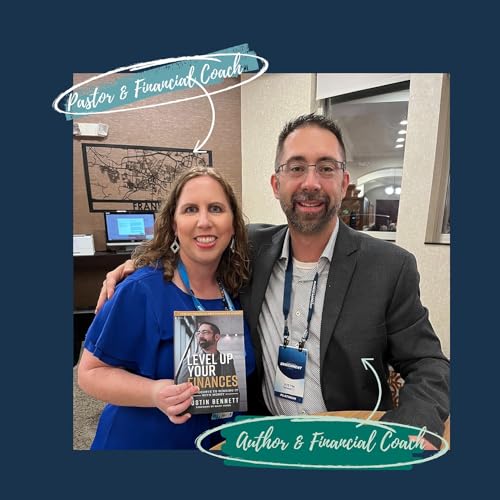
  • How Financial Freedom Transforms Your Ministry (Not Just Your Bank Account) with Justin Bennett
    2025/10/08
    00:00:00 – Introduction to Justin Bennett00:01:00 – Defining Financial Freedom vs. Financial Independence00:02:00 – What Most People Misunderstand About Financial Independence00:03:00 – The Importance of a Strong Financial Foundation00:04:00 – Why Pastors Chase Financial Independence Without Building the Foundation First00:06:00 – What Ministry Leaders Really Want From Financial Independence00:08:00 – How Financial Freedom Opens Up Possibilities That Seemed Impossible00:09:00 – Real-Life Stories of Financial Transformation00:12:00 – When There\’s No Hope, We Won\’t Sacrifice00:14:00 – The Impact of Financial Health on Ministry00:16:00 – Challenges and Solutions for Church Finances00:20:00 – The Broader Implications of Financial Stability00:23:00 – The Importance of Downtime and Hobbies for Pastors00:25:00 – Steps to Achieve Financial Freedom00:27:00 – The Power of Awareness in Financial Management00:29:00 – Tracking Expenses: A Key to Financial Control00:33:00 – The First Step Ministry Leaders Should Take This Week00:36:00 – How Intentional Spending Leads to Better Ministry Choices00:39:00 – Lightning Round: Quick Financial Tips00:42:00 – Why Debt-Free Churches and Congregations Transform Communities00:43:00 – Conclusion and Resources Episode Show Notes – View the Full Transcript What’s the real difference between financial freedom and financial independence—and why does it matter for pastors and ministry leaders? In this conversation with financial coach Justin Bennett, we explore how achieving financial freedom (being debt-free except for your house, having an emergency fund, and living on less than you make) creates a foundation that transforms not just your bank account, but your entire ministry. Justin shares powerful stories of transformation, including clients who discovered hope when they finally saw a clear path out of debt, and explains why that “$1,500-2,000 per month in debt payments” most families are making could be redirected toward generosity, family health, and kingdom impact. We also tackle the hard truths about why church plants fail, how financial stress affects pastor’s kids, and why 100,000 churches may close in the next decade—often due to financial issues that could have been prevented. This isn’t just theory. Justin has coached over 1,000 clients to pay off more than $10 million in combined debt, and he breaks down the practical five-level framework that works for ministry leaders just as well as anyone else. View the full transcript. What You’ll Learn The critical difference between financial freedom and financial independence (and why confusion between them keeps people stuck)Why the first step isn’t actually budgeting—it’s defining what you’re trying to achieveHow paying off debt creates a “belief system” that makes other impossible goals suddenly seem achievableThe real cost of that $1,500-2,000/month in debt payments most families carryWhy “when there’s no hope, we won’t sacrifice”—and how hope changes everythingHow one pastor’s personal debt freedom prevented his church plant from failingWhy pastors sharing their financial wins with their congregation can save marriages and keep tithers engagedThe five levels to achieve financial freedom: Awareness, Knowledge, Commitment, Momentum, and FreedomWhy manually tracking expenses for just 14 days will shock you into actionHow one client found $500/month in forgotten subscriptions (and half weren’t even being used) Key Quotes “Financial freedom is where you’re not a slave to the lender as Proverbs 22:7 says. Financial independence is where you don’t have to work. Doesn’t mean you shouldn’t work, but just means you don’t have to work in order to take care of your family.” – Justin Bennett “When there’s no hope, we’ll never sacrifice. When we have hope we can do it, it’s worth paying the price to see if we can get there.” – Justin Bennett “Hope is the only thing stronger than fear.” – Joy Suzanne Hunt (quoting The Hunger Games) “A lot of church plants fail because of the pastor’s personal finances. Because the church isn’t at a point to be able to support them yet. And the pastor’s personal finances are not in a position to be able to sustain after the fundraising money runs out.” – Joy Suzanne Hunt “If you’re a pastor or a leader and you share what God did financially, how you got out of debt… if just one household from your church gets it, a marriage could be saved.” – Justin Bennett “When you’re neck deep in debt, you’re not worried about the next vision. You’re going, how do I eat?” – Justin Bennett “I can’t fully bring something to God and surrender it to him if I don’t know what I’m bringing to him.” – Joy Suzanne Hunt About Our Guest Justin Bennett has spent the last two decades coaching over 1,000 clients to gain control of their money and pay off a ...
    続きを読む 一部表示
    1分未満
  • Surrender Control: How Pastors Find True Peace in Letting Go (with Kyle Gabhart)
    2025/09/24
    00:00:00 – From Pastor’s Kid to Wilderness Wanderer00:02:00 – Growing Up Under the Microscope: A Pastor’s Kid Journey00:04:00 – The Canteen: Where Pastors Find Peace Through Surrender00:06:00 – The Moment of Complete Surrender 00:09:00 – Experiencing True Spiritual Hunger: How Pastors Find Peace in God’s Timing00:13:00 – Lessons from Deuteronomy 8: Finding Peace Through God’s Provision00:17:00 – Breaking Free from Self-Sufficiency: How Pastors Find Peace in God’s Partnership00:19:00 – God’s Invitation to Partnership: From Creation to Today00:22:00 – Practical Ways Churches Can Find Peace in God’s Provision00:23:00 – Creating Sacred Space: When Pastors Find Peace Through Divine Encounters00:26:00 – Connect with Kyle Gabhart View the Episode Transcript here. Episode Description What happens when a 19-year-old pastor’s kid from suburban Texas gets dropped into the wilderness of Southern Africa? For Kyle Gabhart, it became a life-changing lesson in surrendering control and discovering God’s provision. In this powerful conversation, Kyle shares the story behind his book “The Canteen” and reveals how a desperate moment on an African mountain taught him the difference between self-sufficiency and true dependence on God. Kyle draws fascinating parallels between his wilderness experience and the Israelites’ journey in Deuteronomy 8, showing how God uses seasons of uncertainty to prepare us for His promises. From experiencing true spiritual hunger in Zimbabwean villages to understanding the balance between faithful stewardship and passive waiting, this episode challenges pastors to examine what they’re gripping onto instead of trusting God completely. Discover practical ways churches can create space for the Holy Spirit while maintaining good stewardship, and learn how to move from Western self-sufficiency to biblical dependence without becoming passive in your calling. What You’ll Learn The life-changing lesson Kyle learned when he ran out of water on an African mountainHow African believers demonstrated true “hunger and thirst for righteousness”Key lessons from Deuteronomy 8 about God’s provision and the dangers of prosperityThe difference between self-sufficiency and healthy stewardshipHow Jesus’ feeding of the 5,000 illustrates God’s partnership with our effortsPractical ways churches can hold plans loosely while maintaining good stewardshipHow to create sacred spaces for God to work in structured church environmentsWhy God chooses to multiply our “loaves and fishes” rather than work independently Key Quotes “My challenge, my encouragement to folks is to figure out what their metaphorical canteen is that they’re gripping onto and to empty it so that they can receive what the Lord has to give them.” – Kyle Gabhart “So that is hungering and thirsting after righteousness. And I thought I knew what it looked like, and then I experienced people that genuinely craved spiritual connection.” – Kyle Gabhart “God is ready, willing, and able to multiply our efforts, but he asks for us to step into and meet him our way in that, and we bring him our proverbial loaves and fishes so that there is something to multiply.” – Kyle Gabhart “It’s so easy for us to fall into the trap of thinking that it’s us, rather than remembering that he’s the source of all of it.” – Kyle Gabhart About Our Guest Kyle Gabhart is a seasoned speaker, strategist, and author known for helping people live with greater purpose across faith, family, and finances. Whether guiding business leaders through legacy planning or inspiring audiences from the stage, Kyle’s message is rooted in timeless truth and practical wisdom. He’s the author of “The Canteen,” a raw and moving account of his life-changing mission trip to Africa at the age of 19 that challenges readers to let go of comfort and control and discover the quiet abundance that comes when we fully depend on God. Resources Mentioned “The Canteen” by Kyle GabhartKyle Gabhart’s website: kylegabhart.comDeuteronomy 8 (Israelites’ wilderness journey)The feeding of the 5,000 (loaves and fishes miracle) Next Steps for Pastors Examine your “canteen” – What are you gripping onto for security instead of trusting God completely?Create sacred space – Consider implementing worship nights, extended prayer times, or other opportunities for your congregation to hunger and thirst for righteousnessHold plans loosely – Review your church planning process to ensure you’re leaving room for the Holy Spirit to directPractice active dependence – Bring your “loaves and fishes” to God and watch Him multiply your faithful efforts Connect Email: joy@pastorsandmoney.comInstagram/Facebook: @pastorsandmoneyWebsite: pastorsandmoney.comShow notes: pastorsandmoney.com/podcast The Pastors & Money Podcast helps pastors, ministry leaders, and churches start thriving financially using money as a tool ...
    続きを読む 一部表示
    27 分