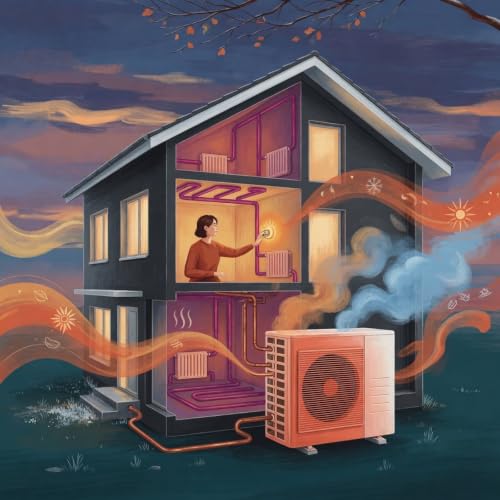
『Heat Pump Homeowner』のカバーアート

Heat Pump Homeowner

Heat Pump Homeowner

著者: Blake
無料で聴く

Heat Pump Homeowner is a home heat pump podcast for homeowners electrifying HVAC who need sizing, duct, noise, and winter-performance reality—not installer sales decks. We own air-source heat pump decision frameworks, ductwork gotchas, cold-climate expectations, incentive paperwork hygiene, and when to keep a backup heat source. Practical electrification ops for existing homes. Search Heat Pump Homeowner on Spotify and Apple Podcasts for weekly heat pump sizing and homeowner checklist episodes. Audio for this show is produced with AI assistance. Episodes are researched, scripted, and reviewed for accuracy before release.

Become a supporter of this podcast: https://www.spreaker.com/podcast/heat-pump-homeowner--7171841/support.© 2026 Let's Work This Sh*t Out
社会科学
エピソード
  • Heat Pump Homeowner main episode for 2026-07-27
    2026/08/24
    In this episode of Heat Pump Homeowner, Blake outlines practical steps for owners of older homes ready to switch to air source heat pumps in 2026. Discover why skipping a proper load calculation often leads to oversized units that short cycle, create noise, and raise electric bills. Learn how to measure rooms, check attic insulation depth, test ducts for leaks, and seal gaps with mastic before any contractor arrives. The discussion covers outdoor unit placement to reduce noise and vibration, selecting models rated for your area's lowest winter temperatures, and using backup heat only during rare cold snaps. Find out how to compare three detailed bids against current utility rebates and state incentives while avoiding humidity issues from poor sizing.

    Key takeaways:
    - Perform a room-by-room assessment and Manual J load calculation first
    - Measure square footage, insulation, and duct leaks to right-size equipment
    - Prioritize sealing ducts and proper outdoor placement for steady performance
    - Gather bids that list model numbers and match them to available rebates

    📩 Have questions or want to share your experience? Reach out at heat@senseofthisshit.com.
    https://www.spreaker.com/podca...
    続きを読む 一部表示
    4 分
  • Heat Pump Homeowner 2026: Duct Sizing for Cold Weather Performance
    2026/08/17
    In this episode of Heat Pump Homeowner, Blake launches the 2026 Guide by tackling the real challenges of swapping a furnace for an air source heat pump in older homes. Discover why duct sizing and precise load calculations often decide comfort and costs, plus how to avoid shortfalls on cold days or noisy operation. Get actionable steps like recording your current ducts, pulling twelve months of utility bills, scheduling a duct leakage test, and quizzing three installers on cold-weather performance and sound levels before any equipment is ordered.

    Key takeaways:
    - Document duct age, size, gaps, and uneven rooms this week
    - Gather utility bills for a clear baseline
    - Request Manual J reports and compare capacity at your design temperature
    - Check state incentives and deadlines immediately
    - Evaluate noise ratings and supplemental heat options

    These preparations reduce surprises and keep your project on track.

    📩 Have questions or want to share your experience? Reach out at heat@senseofthisshit.com.
    https://www.spreaker.com/podca...
    続きを読む 一部表示
    5 分
  • Navigate Heat Pump: Homeowner 2026: Older Home Ductwork Incentive Checks
    2026/07/13
    In this episode of Heat Pump Homeowner, Blake breaks down the 2026 updates for switching an older home to an air source heat pump. Learn how outdated ductwork, noise concerns, cold-weather efficiency drops, and shifting incentives can derail projects from day one. Discover three practical pre-install checks to measure airflow, verify rebates, and seal insulation gaps that prevent costly surprises and underperformance.

    Key takeaways:
    - Run a full load calculation on-site instead of guessing capacity to avoid short cycling and humidity issues.
    - Measure static pressure and balance ducts with mastic sealing or dampers for even airflow in milder heat pump temperatures.
    - Review decibel ratings, use rubber isolators, and test variable-speed models to minimize neighbor noise complaints.

    These steps keep your system efficient even below freezing while maximizing incentives.
    📩 Have questions or want to share your experience? Reach out at heat@senseofthisshit.com.
    https://www.spreaker.com/podca...

    📩 Have questions or want to share your experience? Reach out at heat@senseofthisshit.com.
    💛 Join Our Supporters Club ($3 a month) 💛 Ad-free listening + early episodes — help keep independent media alive. Click Here: https://www.spreaker.com/podca...
    続きを読む 一部表示
    5 分
adbl_web_anon_alc_button_suppression_t1
まだレビューはありません