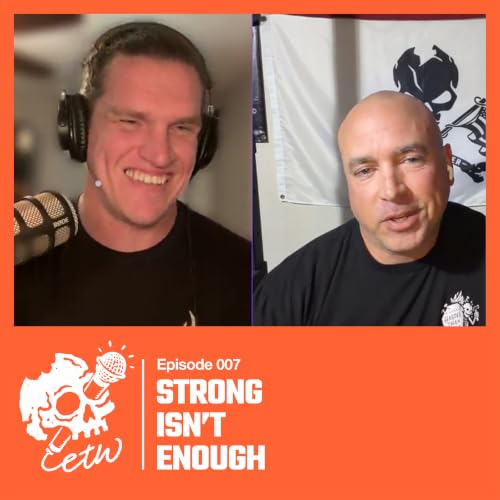
Losing weight is simple. Keeping it off is where things get complicated. Dr Ben Skutnik and fellow Power Athlete Master Coach, Johnny Durrett, break down why diets fail, the role of accountability, and how to build nutrition habits that actually survive real life.
Show notes: https://bit.ly/ETW009
Timestamps:
00:00 - Welcome back and the case for All Access training
01:43 - Why having multiple programs helps with travel and life changes
03:12 - Iron Flex as the most useful “force multiplier”
05:05 - The nutrition question that sparked the conversation
06:12 - John’s 315-pound starting point in high school
08:14 - Which was harder: losing weight or getting in shape?
09:42 - A terrible first experience with nutrition coaching
10:07 - Acting, body image, and being told what roles were off limits
12:00 - The airplane seatbelt moment and the reality check
12:59 - Treating weight loss like a skill problem
13:27 - Learning nutrition by tracking food and reading textbooks
14:50 - Getting in shape through trial and error in the gym
16:46 - Why food environment and family habits make dieting harder
17:51 - Subtle weight gain gets ignored until it compounds
18:49 - Why the obesity epidemic exists alongside more gym culture
20:30 - Looking leaner versus just getting smaller
21:28 - The bad math of training hard on 2,000 calories a day
22:24 - Denny’s, three Grand Slams, and the cost of restriction
23:45 - Why coaching finally helped John look leaner, not just smaller
24:14 - Hammer 90 and a more sustainable way to cut
25:09 - Why nutrition coaching solves the 24-hour problem, not just gym time
26:03 - The bank account analogy for dieting and maintenance
27:55 - Why cutting weight too hard hurts performance and recovery
28:42 - Weight-class athletes and the logic problem with last-minute cuts
30:25 - Why “I can do it myself” usually means you need help
31:22 - The food system, constant temptation, and self-awareness
32:32 - Weight gain as a check engine light
33:13 - Temptation everywhere after leaving the gym
34:41 - Why having a post-workout food plan matters
35:40 - Coaching as accountability, not punishment
36:36 - Grandmas, birthday pie, and getting back on track
38:29 - Why coaching can be temporary and still life-changing
39:25 - Regaining control when life changes
40:34 - The biggest benefit of a coach is sharing the load
41:12 - Why three months is a useful cut timeline
42:22 - Why six months of coaching is often smarter than three
43:32 - Not everyone needs to lose weight, but many do
44:11 - Telling the truth without judgment
45:31 - Why awareness and honesty beat shame
46:21 - Why doing it once teaches you that you can do it again
47:31 - Buy nutrition coaching before over-investing in training
48:18 - Weighing and measuring food is not crazy
48:44 - Why daily weigh-ins are useful, especially for athletes
50:28 - Why weight-class athletes should avoid chaotic cuts
51:51 - Amateur competitors should make life easier, not harder
52:49 - Why nutrition is harder the first time around
53:12 - Finding the right coach and paying it forward
53:55 - Coaching options, one-on-one time, and how to reach Johnny
55:16 - Hammer 90 timing and closing remarks


 2026/10/1252 分
 2026/10/0559 分
 2026/09/2856 分
 2026/09/211 時間 1 分
 2026/09/1447 分
 2026/09/0759 分
 47 分
 2026/08/241 時間 5 分