エピソード

  • 121 - In-Vehicle Gaming Business: How Vehicle Manufacturers can Create New Revenue Streams and Loyalty through Connected Gaming Services.
    2026/08/03

    Vehicle manufacturers and connected service providers are seeking new ways to increase customer engagement, sell more digital services, and generate recurring revenues throughout the life of connected vehicles.

    Studies of infotainment behavior show that users engaged in games can spend 3 to 5 times longer interacting with vehicle displays than users of traditional infotainment applications, creating new opportunities for subscriptions, advertising, premium services, and customer retention.

    However, delivering successful in-vehicle gaming services requires overcoming several challenges including achieving low-latency gaming experiences through smart infotainment integration, convincing vehicle owners and passengers to regularly use and pay for gaming services, and implementing driver monitoring systems and safety controls that comply with regulations and prevent driver distraction.

    Listen to this podcast episode to discover how OEMs and service providers are enabling fast and engaging in-vehicle gaming experiences, examples of how vehicle manufacturers encourage users to try gaming services and the results they are achieving, along with the key safety, monitoring, and compliance technologies required to keep vehicle occupants safe while creating new digital revenue opportunities.

    Topics Covered:

    In-Vehicle Gaming Platforms

    Connected Vehicle Gaming

    Gaming Revenue Opportunities

    Passenger Entertainment Services

    Smartphone Game Controllers

    Low-Latency Gaming

    Connected Vehicle Monetization

    Automotive Gaming Platforms

    Digital Service Bundling

    Multiplayer Social Gaming

    Driver Safety Controls

    In-Car Gaming Integration

    Vehicle Infotainment Gaming

    Autonomous Vehicle Entertainment

    Connected Gaming Service

    続きを読む 一部表示
    38 分
  • 120 - Simplifying the EV Charging Experience for the Consumer
    2026/06/22

    Podcast Host: Omar Riahi


    Electric vehicle adoption is accelerating, but one barrier still frustrates drivers more than anything else. It is charging confusion. In this episode, we break down why EV charging remains unnecessarily complex, what the industry must do to fix it. From power levels, connectors, to charging apps, route planning, real-time station reliability, today's EV driver is expected to understand far more than they should, and we explore how simplifying the charging experience can dramatically improve consumer confidence, increasing sales and strength.


    Topics Covered:

    EV Charging Simplification
    Charging Confusion Reduction
    EV Driver Education
    Charging User Experience
    Charging Terminology Simplification
    Connector Compatibility Awareness
    Charging Speed Understanding
    Color-Coded Charging System
    Intelligent Route Planning
    Real-Time Charger Availability
    Charging Cost Transparency
    Plug and Charge Experience
    Charger Reliability Improvement
    Cross-Network Charging Access
    Consumer Charging Confidence Building

    About Expert Guest Matt Teske:

    Matt Teske is the founder and CEO of Chargeway, a software platform simplifying how drivers understand and use electric fueling. He has over 20 years of leadership and development experience spanning automotive branding, energy communication, and digital innovation. Matt has worked at Teske Designs, Drive Marketing Group, and SK Apparel, where he's led creative direction and brand strategy for major automotive and energy clients. He has pioneered consumer education in EV charging, developed an intuitive color-coded system for public charging networks, and advocates for clearer messaging between automakers, utilities, and consumers to accelerate EV adoption. His work continues to shape how the industry communicates electrification to mainstream audiences.

    続きを読む 一部表示
    42 分
  • 119 - Connected Vehicle Services Business: The Future of High-Profit Automotive Revenues
    2026/06/02

    Automotive OEM businesses are rapidly shifting from one-time vehicle sales toward connected digital services that can generate high-profit recurring revenues throughout the entire lifecycle of connected vehicles. Vehicle manufacturers typically earn only 4% to 10% profit margins from vehicle manufacturing, while digital services can generate margins approaching 70%. GM predicts that by 2030 it could earn more revenue from digital services than from vehicle manufacturing itself. However, OEMs, platform providers, and automotive technology companies face major challenges including rapidly expanding feature and service options, unclear monetization models, and the difficulty of getting vehicle owners and occupants to actively use and pay for connected services. Listen to this podcast session to discover the key types of connected vehicle services, surprising new revenue opportunities, and the emerging software-defined vehicle trends that are transforming automotive platforms into long-term high-profit digital service ecosystems.

    Topics Covered:

    Connected Vehicle Services

    Software-Defined Vehicles - SDVs

    Connected Vehicle Monetization

    Digital Service Revenues

    Paid Feature Activation

    Subscription Services

    In-Vehicle Advertising

    Vehicle Data Monetization

    Connected Vehicle Sharing

    Connected Vehicle Platforms

    Vehicle App Ecosystems

    Connected Service Customer Adoption

    Android Automotive OS - AAOS

    Vehicle Cloud Services

    Connected Vehicle Industry Standards

    続きを読む 一部表示
    27 分
  • 118 - Connected Vehicle Services Development for Software-Defined Vehicles (SDVs)
    2026/06/01

    Software-defined vehicles (SDVs) are transforming automobiles into continuously evolving digital platforms capable of rapidly delivering new connected services, software features, and recurring revenue opportunities for OEMs and mobility providers. Surprisingly, a modern connected vehicle operating system can contain more than 100 million lines of software code—far more than the approximately 6.5 million lines used in a Boeing 787—highlighting the enormous complexity and value of automotive software platforms. Developing connected vehicle services involves integrating vehicle ECUs, cloud platforms, mobile apps, APIs, billing systems, and third-party services while overcoming compatibility, operational, onboarding, and standardization challenges across different OEM architectures. Listen to this podcast session to discover practical strategies, tools, and best practices for successfully developing, deploying, and managing connected vehicle services for next-generation automotive platforms.

    Topics Covered:

    Software-Defined Vehicles
    Connected Services Development
    Vehicle Personalization Services
    Automotive E-Commerce
    ADAS Feature Activation
    Usage-Based Insurance
    Digital Content Services
    Cloud Platform Integration
    Vehicle Data Analytics
    Mobile App Development
    Service-Oriented Architecture
    Cross-Functional Collaboration
    Connected Service Monetization
    Digital Twin Platforms
    Customer Onboarding Systems

    続きを読む 一部表示
    54 分
  • 117 - EV Charging Grants & Incentives: How to Get Funding for Installation and Ongoing Operations Costs
    2025/12/29

    Many EV Charging System owners and business operators want to find, qualify for, and secure grants and incentives to help cover the high costs of installing and operating EV chargers—but the process can seem overwhelming. Here's the shocking part: in addition to programs that fund up to 80% of equipment and installation costs, there are hidden grants, incentives, and tax credits that can also cover operational expenses and rebates few people know exist. Yet most applicants struggle with complex applications, unclear eligibility rules, maintenance requirements, and narrow funding windows that make it easy to miss out. In this podcast session, you'll discover how to identify the most valuable EV charging grants and incentives, understand what they really cover, and learn proven strategies to apply and manage them successfully.

    Topics Covered:

    EV Charging Grants & Incentives
    Grants & Incentive Surprises?
    Federal Grant Options
    State Incentive Programs
    Utility Rebate Programs
    Local Municipality Grants
    Private Grant Sources
    Hidden Incentive Discovery
    Carbon Credits Monetization
    Carbon Credit Ownership Rights
    Funding Eligibility Rules
    Implementation Manual Requirements
    Required Documentation Packages
    ADA Access Requirements
    OCPP Certification Requirements
    Tax Credit Stacking

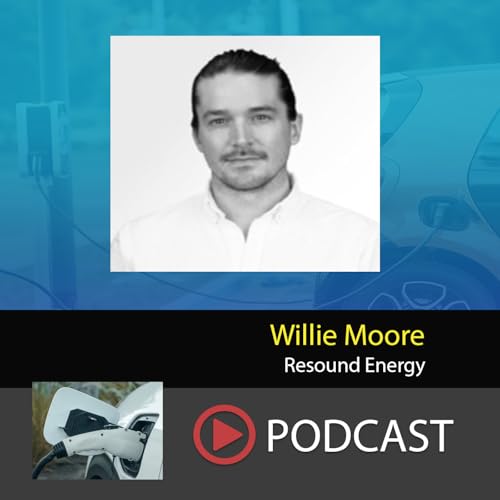
    About Willie More - EV Charging Grants and Incentives Expert

    Willie Moore is an EV funding, rebates, and incentive specialist at Resound Energy, where he helps organizations navigate the complex landscape of grants, utility incentives, and clean-energy funding programs that support EV charging and electrification projects. He brings leadership and project-development experience across energy efficiency, renewable energy, and transportation electrification, with a focus on helping commercial and multifamily property owners reduce upfront costs and improve project ROI. Willie has worked with public and private stakeholders to identify eligible funding sources, prepare incentive documentation, and align EV charging projects with utility and government program requirements. His work supports faster deployment of EV infrastructure while minimizing financial and compliance risk for site hosts and developers.

    続きを読む 一部表示
    47 分
  • 116 - How Public EV Charging at Apartments and MDUs Boosts Utilization and Profits
    2025/12/08

    Apartment complexes and MDU owners face growing pressure to offer reliable, accessible, and profitable EV charging that connects seamlessly with public EV charging networks. Here's the surprising truth — public-access chargers at apartments see 50–80% higher utilization than resident-only units, and properties that enable public use can unlock up to 40% more in financial incentives. Yet many owners and integrators struggle with charger-to-network compatibility issues, billing system errors, and loss of property branding once chargers go public.
    In this podcast episode, we'll unpack how to overcome these hurdles and discover proven ways to deploy EV charging systems that work flawlessly with public networks—boosting revenue, reliability, and resident satisfaction.

    Topics Covered:

    What is Public EV Charging at Apartment Complexes?
    Why are Public EV Charging at Apartment Complexes Important?
    Key Types of EV Charging Ownership Business Models
    How does Public EV Charging at Apartment Complexes Work - Basically?
    What are Typical Public Charger Utilization Rates at Apartments?
    How Long Does it Take to Setup Public EV Charging at Apartment Complexes?
    What are Public Access Revenue Opportunities at Apartments?
    What are key Incentives for Public Charging at Apartment Complexes?
    What Services and/or Equipment are Needed to Setup Public EV Charging at Apartments?
    EV Charger-to-Network Compatibility
    How to Manage Public and Resident EV Charger Access
    EV Charger User Groups for Access Control
    Public EV Charger Permitting Timelines
    Will Public EV Charging at Apartment Complexes and MDUs Work with Most Systems?
    How to Prevent Non-Resident EV Charger Overuse
    Is Training Required for Public EV Charging at Apartments?

    About Expert Mike Battaglia

    Mike Battaglia is Blink's President and CEO. He has over 30 years of leadership and development experience with growth strategy, global operations, and EV infrastructure expansion and has overseen Blink's rapid global expansion and service and product launches. He previously worked at J.D. Power, Toyota Motor Sales, U.S.A., and SmartDisk, and up until earlier this year served as Blink's COO before being promoted to President and CEO. He has led Blink's revenue growth, has overseen the global rollout of EV chargers in multifamily residences, workplaces, fleets and public venues, and has been recognized among industry leaders driving EV adoption and sustainability in transport.

    続きを読む 一部表示
    23 分
  • 115 - Smart Energy Management for EV Charging Systems at Apartments and MDUs
    2025/10/13

    Adding EV chargers to apartments and multi-dwelling units appears to strain the property's electrical capacity, creating a major barrier to adoption. Shockingly, without smart energy management, 90% of apartment EV charging projects stall before installation even begins. The challenges are clear: costly and disruptive electrical upgrades, underutilized infrastructure that could instead support up to four times more EVs with smart load balancing, and excessive utility demand charges that can be reduced by as much as 40%. Smart load management not only reduces costs but also prepares properties to meet upcoming EV charging requirements and regulatory mandates. Load management can help to fulfill or plan for upcomding EV Charging requirements and regulations. In this session, you'll discover how smart EV charger energy management unlocks scalable, cost-effective EV charging installations and expansions while minimizing electrical requirements—making it essential listening for property owners, integrators, and EV industry leaders alike.

    Topics Covered:

    What is Smart EV Charger Energy Management?
    Cost Savings from Load Management
    Shared Circuit Charging Configuration
    Software-Based Energy Management
    Local vs. Cloud Load Balancing
    Apartment EV Charging Deployment
    Priority Charging and User Requests
    OCPP Protocol Integration
    Transparency and User Communication
    Electrical Design and Installation Steps
    EV Readiness Ordinances Compliance
    Utility Demand Charge Reduction
    Assigned Parking and Charging Access
    Property Manager and Resident Training
    Equipment Compatibility and Vendor Vetting
    Metrics for Measuring Deployment Success

    About Expert Guest Cory Miller:

    Cory Miller is the Co-Founder and CEO of PlugOp Technologies. He has over 8 years of leadership and development experience with EV charging systems, energy management strategies, and battery optimization. Cory has conducted advanced research at Ohio State University's Center for Automotive Research and authored multiple international conference and journal papers on charging optimization and battery degradation modeling. He has founded PlugOp Technologies to deliver scalable EV charging solutions for multi-family properties, helping renters access reliable charging while ensuring fast ROI for property owners. He has combined technical expertise with business development skills to create innovations that make EV adoption practical, profitable, and sustainable.

    続きを読む 一部表示
    35 分
  • 114 - Marketing and Selling EV Charging Systems to Apartments and MDUs
    2025/09/29

    Marketing and selling EV charging systems to apartments and MDUs is often seen as complicated, expensive, and difficult to execute effectively. Yet surprising data reveals that properties with EV charging experience 19% fewer move-outs annually, generate new recurring revenue streams, and even achieve up to 15% reductions in liability insurance premiums when chargers include real-time monitoring. Despite these benefits, property owners continue to face costly tenant turnover of $2,500–$3,500 per unit, ongoing security and liability risks in shared spaces, and mounting pressure to unlock fresh revenue opportunities. This session will show you how to overcome these challenges with strategies that help you reach, attract, and motivate apartment and MDU decision-makers—while giving you practical methods to qualify leads, communicate value, and close profitable sales.

    Topics Covered:

    Tenant Retention Advantage
    Rental Premiums and New Revenue Streams
    Insurance and Risk Reduction
    Rebates and Incentives
    Overcoming Common Objections
    Electrical Load Management Pitch
    Property Value Appreciation
    Predictable Recurring Revenue vs. Public Charging
    Subscription vs. Usage Models
    Marketing Messaging: The Four R's
    Multi-Channel Marketing Strategy
    Sales Outreach Tactics
    Timing and Urgency Messaging
    Green Certifications and ESG Positioning
    Tenant Engagement and Future-Proofing

    About Expert Guest Lawrence Harte

    Lawrence Harte is an EV technology and systems expert with deep expertise in marketing and sales. He is the author of Connected EVs Explained, EV Charging Systems for Apartments, and more than 150 other books on technology, media, and business. Lawrence is also the editor of EV Business Magazine, host of the EV Business Podcast, and publisher of the EV Industry Directory. With formal training in sales from Dale Carnegie, Tom Hopkins, Sandler Sales, and others, he brings both practical and academic insight to sales strategy. He actively uses leading CRM and sales management platforms including HubSpot, Zoho, is a Salesforce Trailblazer. Lawrence also founded and hosted the Sales Lead Generation Secrets conference and is a member of several business mastermind groups.

    続きを読む 一部表示
    25 分