エピソード

  • Brazuca Sounds #90: Vinícius de Moraes e Baden Powel - Os Afro-Sambas (1966)
    2026/02/10

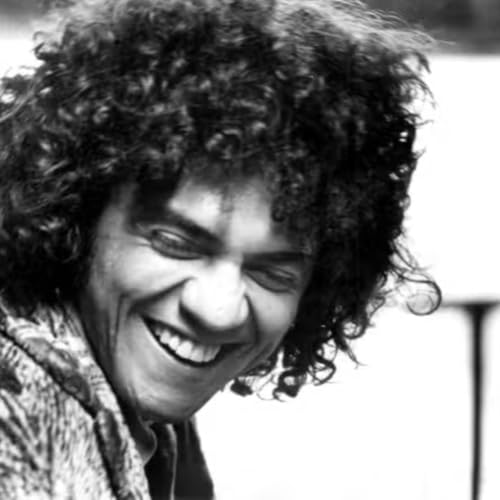
    In episode #90, we explored one of the most revered albums in Brazilian music history. Recorded live between January 3rd and 6th, 1966, Os Afro-Sambas has endured decades of change and upheaval in Brazil’s musical landscape. The unlikely duo behind it—Baden Powell, a 24-year-old virtuoso guitarist of poor Afro-Brazilian origins, and Vinícius de Moraes, 51, celebrated white-diplomat songwriter of Garota de Ipanema and Chega de Saudade—first met in a Rio nightclub in 1961. Widely regarded as the first album to fuse bossa nova’s signature instruments—guitar, bass, flute—with Afro-religious rhythms, Os Afro-Sambas was born after Baden traveled to Bahia to conduct extensive research in candomblé temples.

    Recorded in a basement studio in downtown Rio during a torrential rainstorm, the sessions help explain why Vinícius’ vocals sometimes sound notably nasal. Or, according to various legends, perhaps because they reportedly went through more than 2,300 bottles of whisky over those four days of recording. In this episode, we took a deep dive into the album’s history, analyzing its lyrics, music, and the context of its creation, including audio excerpts from interviews and documentaries.

    Among the videos I have shared in this episode:

    • Baden Powell plays on the TV show Ensaio - TV Cultura (1967)

    • Baden Powell plays "Tempo de Amor" for Saravah documentary

    • Baden & Vinícius play Berimbau/Canto de Ossanha (1979)

    Follow our updated playlist on Spotify: "⁠Soundtrack: Brazuca Sounds⁠". Every song we've ever playedon the show!

    続きを読む 一部表示
    41 分
  • BONUS EP. (Guilherme Coutinho - Atalaia)
    2026/01/27

    Salve! This is a bonus episode for paid subscribers!

    Every episode is a different song. This is the song today:

    "Atalaia" by Guilherme Coutinho


    Guilherme Coutinho was an obscure keyboardist from Belém, in Brazil’s Amazon region. “Atalaia” first appeared in 1978 on Guilherme Coutinho e o Grupo Stalo, released by his hometown radio station’s label. It's a laid-back song with an atmospheric groove driven by Coutinho’s Fender Rhodes, and subtle analog synth lines drift in and out, adding a cosmic, slightly psychedelic feel that bridges Brazilian rhythm with 1970s fusion and ambient soul. Atalaia is a coastal town located in the north, where the river meets the ocean, and is known for its mangroves, dunes, and extreme tides, which are all referenced in the lyrics. Guilherme Coutinho passed away in 1983 at the age of 41, making this a true cult album that has been recently reissued by Mr. Bongo.

    Check the song's translation with TranslationSmith.


    続きを読む 一部表示
    3 分
  • Brazuca Sounds #89 - New Sounds of Brazil 5
    2026/01/14

    In episode #89, we discussed some of the best Brazilian albums released in 2025. Among the albums discussed were BaianaSystem, Alberto Continentino, and Seu Jorge, with his first album in 10 years.

    We also discussed singer-songwriter Luedji Luna and her two albums released in 2025; the latest album from Jadsa, the psychedelic duo Parque do São; millenial singer songwriter Rubel; and the new album released by Sessa. Follow our updated playlist on Spotify: "⁠Soundtrack: Brazuca Sounds⁠".

    Follow our brand new playlist, The Contemporary Music of Brazil, with all the songs we shared in our New Sounds collection since 2020

    Similar episodes:

    Brazuca Sounds #74: Best Albums of 2024

    Brazuca Sounds #49: Best Albums of 2023

    Brazuca Sounds #29: New Sounds of 2021


    続きを読む 一部表示
    28 分
  • BONUS EP. (Cassiano - Onda)
    2026/01/12

    Salve! This is a preview of our bonus episode exclusive for paid ⁠⁠subscribers⁠⁠!

    Every episode is a different song. This is the song today:

    "Onda" by Cassiano

    Released on the third Cassiano album, Cuban Soul-18 Kilates, from 1976, "Onda" was never a big hit in Brazil until it found success through hip-hop samples. Combining Brazilian rhythms with American soul and funk elements, the song created a unique fusion, which now stands as a milestone in Brazilian black music.

    It's a psychedelic funk trip of nearly 8 minutes, repetitive vocals, sounds of crashing waves and seagulls, and one of the most beautiful bass lines ever recorded in the country. A genius but troubled figure, Cassiano faced many battles with record labels during his career, and imprecise accounts suggest that in 1978, he lost a lung to tuberculosis.

    Check the song translation at TranslationSmith.

    続きを読む 一部表示
    3 分
  • Christmas BONUS EP. ("Boas Festas" written by Assis Valente)
    2025/12/25

    Salve! This is a bonus episode available for all!

    Subscribe to our Patreon to unlock all of our archive of bonus eps!

    Every episode is a different song. This is the song today:

    "Boas Festas" written by Assis Valente

    This is the quintessential Brazilian Christmas song. Samba songwriter Assis Valente wrote it in 1932 while living alone, far from his family, in a boarding house in the suburbs of Rio de Janeiro. Sad and nostalgic, the song challenges Santa Claus (Papai Noel) to deliver the ultimate gift: happiness.

    Caetano Veloso, who later recorded “Boas Festas,” has argued that it is the Christmas song that best encapsulates the Brazilian spirit, as its lyrics openly acknowledge the excluded. Its tone is deeply connected to Valente’s own troubled life, marked by poverty, illness, and repeated personal crises.


    続きを読む 一部表示
    2 分
  • Brazuca Sounds #88: Gilberto Gil - Refazenda (1975)
    2025/12/16

    This is a preview of our latest monthly episode.

    It was initially released in full and is now available exclusively to our subscribers on Patreon⁠.

    In episode #88, we celebrate the 50th anniversary of Refazenda, the landmark album released by Gilberto Gil in 1975. Conceived as a return to his Northeastern roots, the record marked a decisive shift away from the Tropicalia movement and the more rock-oriented phase of his career

    Refazenda features key collaborations with accordion master Dominguinhos, who co-wrote classics such as “Tenho Sede” and “Lamento Sertanejo.” The change in direction was warmly received by audiences, making the album Gil’s biggest commercial success and launching his celebrated trilogy ⁠— alongside Refavela and Realce.

    Check Translationsmith for the translation of many songs from the album. Follow our playlist ⁠Brazuca Sounds Soundtrack with over 50 hours of music on Spotify.

    続きを読む 一部表示
    4 分
  • BONUS EP. (Carinhoso - Pixinguinha)
    2025/12/11

    Salve! This is a preview of our bonus episode exclusive for paid ⁠subscribers⁠!

    Every episode is a different song. This is the song today:

    "Carinhoso" written by Pixinguinha and João de Barros

    Considered one of the most important Brazilian songs of all time, "Carinhoso" was written by flutist/saxophonist Pixinguinha in 1917 as an instrumental piece. However, it was not until the 1930s, with added lyrics by João de Barros and a vocal performance by Orlando Silva, that it achieved its acclaim.

    A perfect combination between musical structure and poetic narrative, "Carinhoso" is the most recorded Brazilian song according to ECAD, with iconic performances from Elizeth Cardoso, Baden Powell, Tom Jobim, Hermeto Pascoal, and more. We told the story behind the lyrics, different arrangements, the ahead-of-time structure, and Pixinguinha, who eventually became one of the most revered music composers from Brazil.


    続きを読む 一部表示
    3 分
  • Brazuca Sounds #87: Joyce - Feminina (1980)
    2025/12/01

    In episode #87, we celebrate 45 years of the album "Feminina" released by Joyce Moreno in 1980. Arguably, her most important work, with feminist ideas ahead of her time, especially considering the Brazilian socio-political context. A jack of all trades, Joyce wrote all the lyrics and plays the guitar beautifully, enhanced by her charming voice.

    Among the album's highlights are "Feminina", an intergenerational conversation between mother and daughter; "Clareana", written as a lullaby song for her young daughters; and "Aldeia de Ogum", rediscovered by DJs in the 1990s. "Essa Mulher" also became a trademark song performed by Elis Regina, a song that encapsulates the "feminine" album theme of motherhood and sexual desire.

    Check Translationsmith for a full translation of "Clareana", and don't forget to follow our Brazuca Sounds playlist on Spotify with over 50 hours of music


    続きを読む 一部表示
    38 分