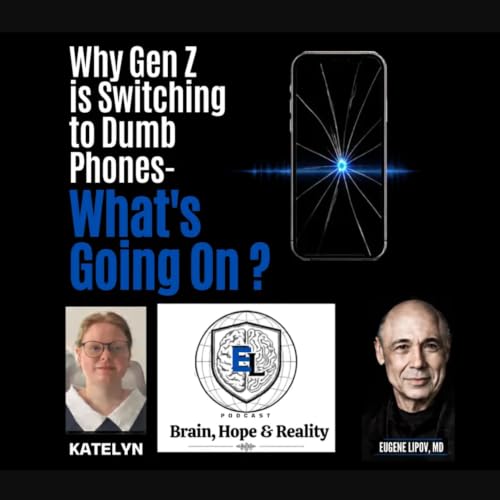
『Dr. Eugene Lipov | Brain Hope Reality & Digital Toxicity』のカバーアート

Dr. Eugene Lipov | Brain Hope Reality & Digital Toxicity

Dr. Eugene Lipov | Brain Hope Reality & Digital Toxicity

著者: Dr. Eugene Lipov
無料で聴く

Brain, Hope & Reality explores PTSD, trauma recovery, Stellate Ganglion Block (SGB), brain health, autonomic nervous system dysregulation, hyperarousal, anxiety, sleep, "brain rot ",digital toxicity, doomscrolling, screen addiction, smartphone addiction, dopamine, stress, resilience, and nervous-system recovery with Eugene Lipov, MD.

This podcast looks at PTSD, trauma, brain recovery, sympathetic nervous system activation, sleep disruption, attention problems, anxiety, depression, and digital overload through a biological lens. Severe trauma can affect far more than thoughts and emotions; it may also produce measurable changes in sleep, startle response, autonomic regulation, stress physiology, emotional processing, and brain function.

A central theme is that post-traumatic stress may be better understood as an injury or biological adaptation, rather than only as a “disorder.” Episodes explore the neuroscience of trauma, SGB, fight-or-flight physiology, recovery, resilience, brain rot, the potential negative effects of excessive smartphone use, doomscrolling, sleep disruption, attention loss, social media addiction, and other current topics affecting the brain and nervous system.

Guests include trauma survivors, veterans, Special Forces personnel, active-duty and former military members, physicians, neuroscientists, psychologists, researchers, Gen Z guests, athletes, parents, and everyday people sharing real-world experiences with trauma, stress, recovery, performance, and modern digital life.

The show also examines how brain rot, digital toxicity, doomscrolling, excessive screen time, social media addiction, sleep disruption, and constant smartphone stimulation may affect many of the same stress, attention, reward, and autonomic systems involved in trauma.

Dr. Lipov explores the hypothesis that PTSD and what he describes as “digital PTSD” may share overlapping biological pathways involving persistent stress-system activation, hyperarousal, sleep disruption, and autonomic dysregulation.

The goal is simple: make complex neuroscience understandable, practical, hopeful, and connected to real-world solutions.

Follow Brain, Hope & Reality on Spotify for conversations about PTSD, trauma recovery, SGB, brain health, Special Forces mindset, veterans, Gen Z, digital toxicity, brain rot, smartphone use, sleep, anxiety, dopamine, stress, and nervous-system regulation.

2025 Dr. Eugene Lipov
心理学 心理学・心の健康 衛生・健康的な生活 身体的病い・疾患
エピソード
  • Why Gen Z wants a dumb phone: What's Going On ?: EP44
    2026/09/07

    Anxiety, social media addiction, digital toxicity, digital brain rot, doomscrolling, phone addiction, Gen Z mental health, Gen Alpha mental health, PTSD, fight-or-flight, sympathetic nervous system, digital Tourette’s, social contagion, sleep problems, dumb phones, grayscale mode, screen time and the effects of social media on the brain are the focus of this episode of Brain, Hope & Reality with Eugene Lipov, MD and Katelyn.
    Why can anxiety feel intensely physical? Can repeated social-media exposure influence behavior? Why are young people turning to dumb phones? And what happens when the fight-or-flight system stays activated?
    Eugene Lipov, MD and Katelyn discuss anxiety symptoms, feeling of doom, social media fatigue, digital addiction, functional tic-like behaviors sometimes called “digital Tourette’s,” mimetic behavior, technoference, digital PTSD, dopamine, norepinephrine, cortisol, sleep, attention, smartphone addiction, grayscale phones, Focus Mode and reducing screen time.
    A central theme is simple: psychology has biology behind it.
    Anxiety can be experienced through the body as racing heart, chest tightness, stomach discomfort, shaky hands, difficulty breathing, dizziness and a powerful sense of dread or impending doom. The conversation explores how the sympathetic nervous system—or fight-or-flight system—may contribute to these sensations.
    The episode also examines how behaviors repeatedly seen online may influence other people, including discussion of sudden functional tic-like behaviors reported among some young social-media users.
    The conversation then turns to practical solutions. Can you make your smartphone boring? Can grayscale reduce the urge to scroll? Can Focus Modes and removing apps from your home screen create enough friction to interrupt automatic behavior? And what happens when you remove the phone from your bedroom completely?
    Katelyn shares strategies for recognizing anxiety in the body and managing it with grounding, breathing, physical sensation and behavioral techniques. The discussion also covers SMART goals, monitoring screen time, nature, hobbies and replacing passive scrolling with activities that engage your brain.
    CHAPTERS
    0:00 The Biology Behind Psychology
    1:52 Unpacking Anxiety Types
    2:53 The Rise of Mimetic Disease
    5:27 The Truth About Stimming
    10:23 Agoraphobia in the Digital Age
    13:29 The Dumb Phone Movement
    21:28 Why Gen Z Is Seeking Disconnection
    Subscribe to Brain, Hope & Reality for conversations about anxiety, PTSD, digital toxicity, brain science, the autonomic nervous system and practical ways to improve mental health.
    Where do you feel anxiety first—your chest, stomach, breathing, head or somewhere else?
    #Anxiety #DigitalToxicity #DigitalBrainRot #SocialMediaAddiction #PhoneAddiction #Doomscrolling #GenZ #GenAlpha #MentalHealth #PTSD #FightOrFlight #ScreenTime

    続きを読む 一部表示
    49 分
  • The Hidden Brain Damage From Screen Time You Can’t See, But MRI may show it :EP43
    2026/09/03

    Watch full episode on YouTube

    https://youtu.be/8mnGBzfQ1ZE

    Is your smartphone silently changing your brain?

    In this episode, Eugene Lipov, MD, board-certified physician, trauma expert, and pioneer in PTSI treatment, explores digital toxicity, screen addiction, doomscrolling, dopamine, attention, brain health, mental wellness, and the effects of smartphones and social media on Gen Z.

    Our guest, Natalie, shares firsthand experiences of growing up with smartphones, TikTok, social media, and constant digital stimulation.

    Topics Covered
    • Gen Z smartphone dependency and mental health
    • Digital toxicity and possible brain changes
    • TikTok, dopamine, and endless scrolling
    • How algorithms capture attention
    • Grayscale phones and digital boundaries
    • Sleep and keeping phones out of the bedroom
    • Flip phones and digital detox
    • AI-generated content, propaganda, and manipulation
    • Phubbing and loss of real-world connection
    • Practical ways to reduce excessive screen use
    • Can heavy smartphone use affect the brain?

    📘 Digital Brain Rot
    https://www.digitalbrainrot.com/

    📖 Brain on Fire: Doomscrolling, Dopamine, and the Decline of Attention
    https://www.amazon.com/Brain-Fire-Doomscrolling-Attention-Reclaiming/dp/B0GXFQGDHT/

    🌐 Official Website
    https://dreugenelipov.com/

    Follow Eugene Lipov, MD

    Facebook: https://www.facebook.com/elipovmd/
    Instagram: https://www.instagram.com/dreugenelipov/
    LinkedIn: https://www.linkedin.com/in/eugenelipov/

    📩 Business Inquiries: dreugenelipov1@gmail.com

    Timestamps

    00:00 Why Gen Z Can't Escape Smartphones
    00:19 Digital Toxicity & Brain Health
    01:20 Digital Toxicity Awareness Day
    02:33 Growing Up Connected
    03:24 Memory Loss, TikTok & Daily Life
    04:18 Why Smartphones Are So Addictive
    05:22 Flip Phones & Digital Detox
    06:46 Can Governments Limit Social Media?
    07:46 TikTok, Dopamine & Endless Scrolling
    09:39 How Algorithms Hijack Attention
    10:56 AI, Fake Content & Digital Manipulation
    12:42 Responsible Technology vs Digital Harm
    13:38 Smartphones & Brain Development
    16:35 Why Phones Don't Belong in the Bedroom
    18:43 Doomscrolling & Digital Addiction
    20:44 Phubbing: Phones vs Real Connections
    22:26 Natalie's Advice for Gen Z
    24:31 Habits to Break Phone Addiction
    27:12 AI Propaganda & Social Media
    30:16 Can Smartphones Shrink Your Brain?
    34:02 Brain Health, PTSD & Final Takeaways

    👍 Like, subscribe, and turn on notifications for more discussions on brain health, digital toxicity, trauma recovery, dopamine, neuroscience, PTSD, and PTSI.

    #BrainRot #DigitalToxicity #Doomscrolling #ScreenAddiction #BrainHealth #Dopamine #GenZ #TikTok #SocialMedia #MentalHealth #Neuroscience #PTSI #PTSD

    続きを読む 一部表示
    46 分
  • Inside the Mind of a Special Forces Veteran | Nick -EP42
    2026/09/02

    Learn how PTSD recovery, brain recovery, special forces training, trauma, mental health, digital toxicity, cognitive endurance, and mental resilience intersect in this conversation with a former Special Forces operator.

    In this episode of Brain, Hope & Reality, we explore what prolonged high-stakes training and trauma can do to the brain and nervous system, how PTSD can affect sleep, focus, emotional regulation, and daily performance, and why digital toxicity may make recovery more difficult by adding constant stimulation and distraction.

    We discuss the realities of PTSD recovery from both a psychological and physiological perspective, including the challenges of rebuilding brain recovery, cognitive endurance, focus, discipline, and mental resilience after intense stress. The conversation also examines how Special Forces training shapes the way people respond to pressure, discomfort, uncertainty, and fear.

    For veterans, first responders, people living with trauma, and anyone interested in performance and brain health, this discussion offers a grounded look at how recovery may involve more than simply “thinking differently.” Sleep, nervous-system regulation, physical activity, meaningful routines, relationships, and reducing unnecessary digital stimulation may all play a role.

    We also discuss practical ways to reduce digital toxicity, including creating phone-free periods, tolerating boredom, protecting sleep, spending more time in real-world activities, and becoming more intentional about when and why you reach for your phone.

    **Inside the Mind of a Special Forces Veteran | Brain, Hope & Reality Episode 44**

    Subscribe for conversations about PTSD, trauma recovery, brain health, mental health, Special Forces mindset, digital toxicity, sleep, resilience, performance, and nervous-system regulation.

    Comment below: What has helped you build resilience or reduce digital overload in your own life?

    0:00 From Gangs to Elite Marine Special Operations
    4:59 The Hidden History of the Navy SEALs
    7:40 The Reality of Stellate Ganglion Block
    10:30 The Physiological Cost of High Stress
    13:05 Building American-Made Businesses
    15:57 The Truth About Testosterone and SSRIs
    30:12 Redefining Education for the Next Generation

    #PTSD #PTSDRecovery #SpecialForces #BrainRecovery #MentalHealth #TraumaRecovery #DigitalToxicity #MentalResilience #BrainHealth #Veterans

    続きを読む 一部表示
    46 分
adbl_web_anon_alc_button_suppression_t1
まだレビューはありません