エピソード

  • XTERMIGATOR and the Question Detective: Clearing the Fog
    2026/02/10
    Sometimes instructions sound like a foggy map and a friend isn’t sure what the first step is. In this 10-minute monologue XTERMIGATOR becomes a Question Detective and offers a simple, strengths-based routine to help children notice when directions are confusing, ask one clear, brave question, and restate what they heard to check the clue. The episode models three kid-ready question stems (a One-Step Ask, a Two-Option Check, and a Show-Me Request), includes a 60–90 second guided practice where listeners say a question aloud and try restating an instruction, and gives adults short scripts to model timing and tone. Classroom-friendly variations (question cards, a private thumbs-up signal, and teacher 'question windows') keep asking optional and low-profile. Listeners leave with one clear action: try one Question Detective stem the next time instructions feel foggy and remember to tell a trusted grown-up about anything that feels unsafe.
    続きを読む 一部表示
    5 分
  • XTERMIGATOR and the Busy-Brain Clue Map
    2026/01/20
    XTERMIGATOR discovers that his friend is having trouble getting started on a chore and introduces a simple, playful routine called the 'Clue Map.' In this 10-minute monologue XTERMIGATOR models gentle language to name the feeling of a busy brain, breaks a task into three tiny detective clues, and leads a short practice game so kids experience success right away. The episode teaches one concrete tool families and teachers can use at home or in class to support transitions and beginnings without clinical labels. It includes kid-friendly phrases, celebration moments for small steps, and quick prompts adults can use to encourage independence and kindness. The tone is warm, strengths-based, and practical—one small routine children can try immediately to build confidence and reduce overwhelm.
    続きを読む 一部表示
    5 分
  • XTERMIGATOR and the Cozy Calm Corner
    2026/01/21
    When the swamp gets noisy and a friend feels all squiggly inside, XTERMIGATOR pops on his detective hat to look for a gentle solution: a personal Calm Corner. In this 10-minute monologue XTERMIGATOR names the uncomfortable feeling in kid-friendly language, introduces a simple three-part Calm Corner (a safe spot, two soothing items, and a short calming routine), and leads a guided 60–90 second Calm-Check practice children can try right away. The episode models strengths-based phrases adults can use, gives quick, adaptable ideas for home or classroom materials, and offers ways to include friends so no one feels left out. Listeners leave with one concrete tool to make big feelings smaller, plus short prompts adults can use to support independence and kindness without labels or medical advice.
    続きを読む 一部表示
    7 分
  • XTERMIGATOR and the Sensory Treasure Hunt
    2026/01/22
    When a swamp friend feels jumbled by bright lights, loud croaks, or itchy grass, XTERMIGATOR puts on his detective hat and invites listeners on a Sensory Treasure Hunt. In this 10-minute monologue XTERMIGATOR gently names strong sensations in kid-friendly language, models a simple three-clue routine—pick one sense, find three gentle clues, and choose a soothing tool—and guides a 60–90 second single-sense grounding practice kids can try anywhere. The episode emphasizes strengths-based language, offers playful variations for classrooms and homes, and gives adults brief scripts to invite participation without pressure. Listeners leave with a concrete, portable routine that builds awareness, reduces overwhelm, and encourages inclusion by turning sensory moments into shared, curiosity-led games instead of problems to fix.
    続きを読む 一部表示
    6 分
  • XTERMIGATOR and the Helpful Words: Little Scripts for Big Feelings
    2026/01/27
    When friends need help but feel shy saying so, XTERMIGATOR puts on his detective hat to show that words can be gentle tools. In this 10-minute monologue XTERMIGATOR introduces three short, practice-ready scripts for common moments: asking for help starting a task, requesting a brief break, and inviting a quieter turn in a group. Each script is framed as a neutral, strengths-based clue kids can try, followed by a 60–90 second guided role-play so listeners can say the lines out loud with friendly prompts. The episode also offers adult scripts for modeling, nonverbal and written alternatives for different needs, and classroom-friendly ways to practice without singling anyone out. Listeners leave with one concrete action: pick one Helpful Word script and practice it with a grown-up or friend this week, plus quick tips for adults to celebrate attempts and keep invitations optional and safe.
    続きを読む 一部表示
    6 分
  • XTERMIGATOR and the Plan-B Pocket: Tiny Backups for Big Surprises
    2026/01/30
    When a swamp day doesn't go the way a friend expected, XTERMIGATOR puts on his detective hat to show that surprises can become small, manageable clues. In this 10-minute monologue XTERMIGATOR introduces the Plan-B Pocket: a kid-friendly three-step routine to help children notice when a plan changes, pick one simple backup (a sensory tool, a short alternative activity, or a politely asked delay), and tuck that option into an imaginary pocket they can pull out later. The episode models gentle, strengths-based language for adults, includes a 60–90 second guided imagination practice where listeners build their own Plan-B Pocket and try a tiny backup, and offers classroom/home variations like shared Plan-B cards, visual pocket charts, and teacher scripts that invite choice without singling anyone out. Listeners leave with one clear action: make a Plan-B Pocket with a grown-up or friend and try it once this week to practice flexible thinking with kindness.
    続きを読む 一部表示
    6 分
  • XTERMIGATOR and the Clue Log: Pocket Postcards for Feeling Patterns
    2026/02/02
    Sometimes feelings feel like scattered swamp footprints. In this 10-minute monologue XTERMIGATOR invites listeners to become gentle feeling-detectives with a pocket-sized Clue Log: a simple three-step routine to notice one small feeling clue during the day, mark it on a tiny postcard or sticker (color, icon, or single word), and tuck it away. Later, with a trusted grown-up, listeners flip through their postcards like detective evidence to spot helpful patterns (times, places, or tools that help) and plan one tiny, kind change. The episode models nonclinical language, includes a 60–90 second guided noticing practice where kids try marking a single clue, and offers low-cost classroom/home variations (shared log jars, anonymous cards, rotating check-ins) that keep participation optional and private. Adults get short scripts to invite pattern-spotting without labeling, and listeners leave with one clear action: make a Clue Log and look at it once this week with a grown-up or friend.
    続きを読む 一部表示
    5 分
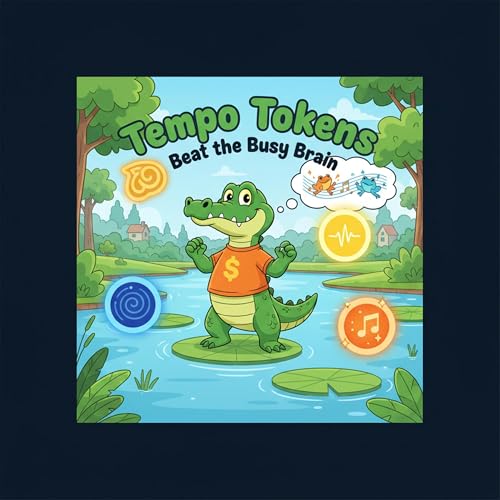
  • XTERMIGATOR and the Tempo Tokens: Beat the Busy Brain
    2026/02/03
    Sometimes a busy brain feels like a swamp full of splashing frogs. In this 10-minute monologue XTERMIGATOR becomes a gentle detective of rhythm and shows listeners how simple beats can help us move from frazzled to focused. Kids learn the three-step Tempo Token routine: pick a friendly tempo (slow for settling, steady for focusing, bouncy for getting ready), practice a short 60–90 second beat-and-breath exercise (clap, tap, hum, or quietly stomp), and tuck a token (a pebble, sticker, or picture) that reminds them which tempo helps. The episode models nonclinical, strengths-based language for adults, includes a guided rhythm practice kids can do along with the host, and offers quiet and classroom-friendly variations (silent foot taps, heartbeat hands, visual tempo cards) so no one is singled out. Listeners leave with one clear action: make a Tempo Token with a grown-up or friend and try it once this week during a transition or tricky moment.
    続きを読む 一部表示
    7 分