

Who’s Liable When Ship Control Moves Ashore? Cyber Risk and Maritime Law
カートのアイテムが多すぎます
カートに追加できませんでした。
ウィッシュリストに追加できませんでした。
ほしい物リストの削除に失敗しました。
ポッドキャストのフォローに失敗しました
ポッドキャストのフォロー解除に失敗しました

Who’s Liable When Ship Control Moves Ashore? Cyber Risk and Maritime Law
-
ナレーター:
-
著者:
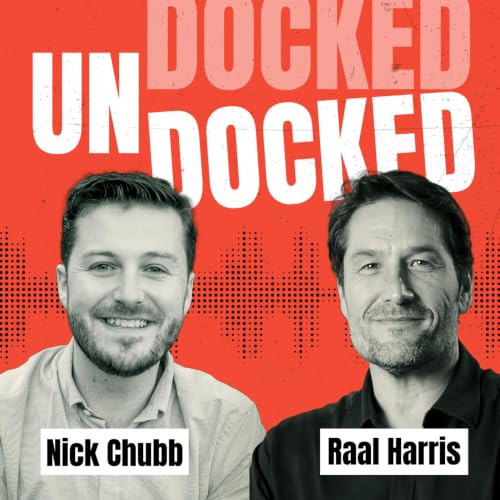
This week, Nick and Raal examine what happens when maritime technology moves faster than the legal frameworks around it, from remote ship control and pollution liability to cyber risk and seaworthiness.
CHAPTERS
- 00:23 Best-of-breed software and the importance of good data
- 04:51 Maritime fragmentation, taxonomy and interoperability
- 08:08 Why older ships can be easier to integrate
- 10:26 Fleet interoperability and the economics of maritime SaaS
- 14:27 Who pays when an autonomous tanker spills oil?
- 21:42 Masters, fatigue and remote pilotage
- 28:03 Search and rescue, COLREGs and autonomous ships
- 31:15 Cyber risk, software updates and seaworthiness
- 38:04 Anglo-Eastern’s approach to fleet-wide cyber security
- 44:52 AI, cyber attacks and a changing threat landscape
- 49:40 Wilson Sons’ long-term technology investment strategy
- 55:53 SMM, the Digital Ship Summit and the Thetius Top 150
The episode opens with Nick reflecting on a webinar with GTT Marine and Dorian LPG examining one of shipping technology’s recurring questions: whether owners should consolidate around a single platform or assemble a best-of-breed technology stack.
That leads into the structural fragmentation of shipping itself. Different vessels, vendors, ranks, departments and even fleets can describe the same things differently, making interoperability as much an organisational problem as a technical one.
The main discussion turns to autonomous and remotely operated ships, prompted by the question of who would be liable for pollution when control no longer sits conventionally on board. From there, the legal questions multiply.
- Who is the master when control is divided between people and autonomous systems?
- How do hours-of-rest rules apply to shore-based operators? Does a pilot still need to board?
- What happens to search-and-rescue obligations on an unmanned vessel?
- And which jurisdiction governs somebody controlling a ship from another country?
Cyber risk brings the same tension into seaworthiness. The discussion considers whether poor cyber risk management could ultimately call a vessel’s seaworthiness into question, and what happens when software updates can materially alter how a ship performs after it has sailed.
Anglo-Eastern’s work with CyberOwl provides a more immediate operational example: rather than replacing the different systems across a large third-party-managed fleet, the aim is to create a consistent cyber-risk layer capable of working with the infrastructure already on board.
EPISODE PARTNER
This episode is sponsored by Insight, in partnership with SmartSea.
Every voyage means thousands of small decisions — on fuel burn, maintenance timing, emissions, and cost. Made well, they compound. Made blind, they compound too.
Insight and SmartSea help operators bring route optimisation and predictive maintenance into everyday operations through one connected digital environment — turning sustainability and efficiency from a separate initiative into simply how the fleet performs, voyage after voyage.
Because the best gains aren't the ones you chase once. They're the ones built into how you already operate.
Take the next step with Insight.