エピソード

  • Martin - ADHD & Bipolar Superpowers
    2026/04/30

    Send us Fan Mail

    Some people don’t fall apart because they’re weak. They fall apart because they’ve been carrying too much for too long without answers. That’s where Martin Perez starts: a childhood shaped by caregiving, grief, and the kind of chaos you learn to call “normal” until you finally see it clearly.

    We talk about his late ADHD diagnosis and bipolar disorder diagnosis, and why getting the right words for what you’re living can feel like the best thing that ever happened to you. Martin breaks down how ADHD can be a constant race-car brain, while bipolar disorder is episodic, and what it’s like when those two collide: dopamine chasing that doesn’t stop, hypomania that boosts output and confidence, and the risky edge that can come with feeling unstoppable. We also get real about depression, self-worth, and the pressure to “catch up” in adulthood once you finally land a stable job with benefits and a future.

    From EMT work to dental assisting to a data analytics boot camp, Martin’s path shows how career pivots, therapy, and medication management can turn survival mode into something more sustainable. We close with the bigger point: mental health stigma keeps people silent, but honest conversations create connection and help others find treatment, language, and hope.

    If this resonates, subscribe, share it with someone who’s been struggling quietly, and leave a review so more people can find it. What’s one sign you wish you’d taken seriously sooner?


    Resources:

    Adult Late-Diagnosis ADHD Resources

    • ADDA (Attention Deficit Disorder Association): The world’s leading organization for adults with ADHD, offering webinars, support groups, and resources tailored for those diagnosed later in life.
    • ADDitude Magazine: An extensive, trusted source for ADHD news, symptoms, and treatment options, including many articles and podcasts specifically on navigating a late, adult diagnosis.
    • ADHD Friendly Lifestyle Podcast: Focuses on transforming late-diagnosis ADHD challenges into strengths.

    Adult Bipolar Disorder & Mental Health Support

    • DBSA (Depression and Bipolar Support Alliance): Offers online and in-person support groups, wellness trackers, and peer-led support for adults living with bipolar disorder.
    • NAMI (National Alliance on Mental Illness): Provides comprehensive information on bipolar diagnosis, treatment, and free peer-to-peer education classes.
    • International Bipolar Foundation (IBPF): Offers educational resources, webinars, and support for both newly diagnosed adults and their families.

    Early Onset Dementia & Memory Loss Resources

    • Alzheimer’s Association (24/7 Helpline: 800-272-3900): Offers 24/7 help, local support groups, and specialized resources for early-onset (younger-onset) dementia, which often affects those under 65.
    • AFTD (The Association for Frontotemporal Degeneration): Specialized support for FTD, a common cause of dementia in people under 65.
    • Alzheimers.gov: The federal government portal for dementia information, including links to local services.
    • Eldercare Locator (1-800-677-1116): A public service of the Administration on Aging that connects individuals with local services for seniors and caregivers.

    Crisis & Immedia

    続きを読む 一部表示
    45 分
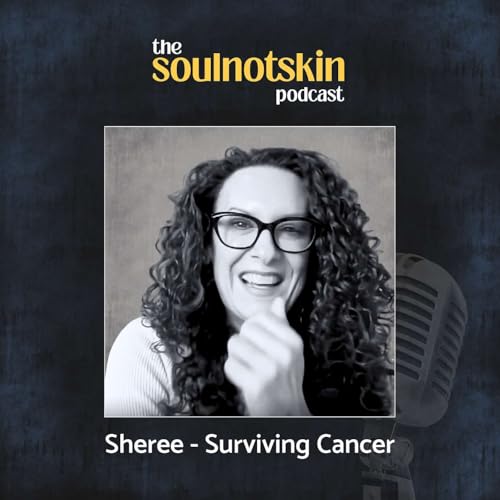
  • Sheree - Surviving Cancer
    2026/04/24

    Send us Fan Mail

    She hears the words “You have breast cancer” while standing on a packed BART train in San Francisco, and the world tilts. Sheree takes us from that surreal phone call to the small but life-changing moment where she refuses to wait six months and asks for a biopsy now. The result is a story about early detection, clarity, and the kind of self-advocacy that can feel uncomfortable until you remember what’s at stake: your body, your time, your family.

    We also get practical about breast cancer treatment decisions, including the real differences between a lumpectomy and a mastectomy, why radiation often follows breast-conserving surgery, and what it means to live in “after” with medication, reconstruction choices, and recurrence anxiety. Along the way, we talk about breast cancer symptoms people miss, how awareness campaigns can still leave us under-educated, and why “it probably isn’t cancer” is not the same as certainty.

    Then the conversation widens into the inner work that helps you survive the outer work. Sheree shares how her marriage deepens even though she believes in God and her husband is agnostic, and she tells the unforgettable story of requesting Bob Dylan in a medical procedure room so she can pray and breathe through fear. She also explains her daily practice of two-way prayer, a notebook-based meditation tool she uses on trains, in tense meetings, and in moments when she knows reacting will only create more pain.

    If you’ve ever felt dismissed by the system, overwhelmed by fear, or unsure how to ask for what you need, this is for you. Subscribe, share this with someone who needs it, and leave a review with the tool you use to stay steady when life hits hard.

    💥 Sign up to be one of the First 20! 💥
    Join the inaugural 4-week online cohort, led by "Ms. Jen" SluMac

    What actually is addiction anyway?
    Four weeks on Saturday, one hour each week, beginning May 9. Just $20!
    💥
    Claim one of the 20 spots now!

    続きを読む 一部表示
    52 分
  • Joe - Addiction & Overdose
    2026/04/24

    Send us Fan Mail

    The texts slow down, the silence stretches, and your stomach already knows what your brain is trying to deny. We sit down with Joe to talk about addiction from the side that rarely gets a clean script: the friend who keeps showing up, the friend who tries to say the right thing, and the friend who later replays every moment asking, “Why didn’t I do more?”

    Joe shares the story of reconnecting with a close gym friend as alcoholism and addiction tightened their grip. There are good stretches, deep talks, and one last “normal” day that feels almost magical, followed by the familiar disappearing act and then the devastating news. We unpack why substance use disorder is not a simple willpower problem, why no one can outmuscle an active craving, and what real support looks like when you are powerless to control the outcome.

    From there, we go beneath the substance to the drivers: trauma, self esteem, self worth, and the need for relief when life hurts more than you can handle. Joe offers a clear lens on trauma as the felt experience, not a contest of who had it worse, and we explore how an all or nothing personality can fuel both addiction and recovery. If you have loved an addict, lost someone to overdose, or fear relapse in your circle, this conversation gives language for the grief and grounded ways to keep compassion without losing yourself. Subscribe, share with someone who needs it, and leave a review with the one line you wish every person understood about addiction.

    Resources:

    1. Overdose Lifeline: Lifeline for Loss
    2. The Partnership to End Addiction: Resources for Families
    3. National Institute on Drug Abuse (NIDA)
    4. SAMHSA (Substance Abuse and Mental Health Services Administration)
    続きを読む 一部表示
    24 分