Why do so many capable, intelligent people struggle to set boundaries, speak up, or pursue their goals with confidence?
What if the answer isn’t a lack of confidence—but the parts of yourself you’ve learned to hide?
In this episode of The Same Emotional Structure, Susan Q. explores the psychology of shadow work through the ideas of Carl Jung, Jordan Peterson, Virginia Woolf, Brené Brown, and Robert Greene.
Discover why people-pleasing can become a barrier to leadership, how fear can disguise itself as kindness, and why psychological maturity requires both strength and vulnerability.
You’ll learn about Jung’s concept of the Shadow, Peterson’s “dangerous good man,” the Warrior archetype, Woolf’s insights into inner authority, Brené Brown’s research on wholehearted leadership, and the realities of power and influence in professional life.
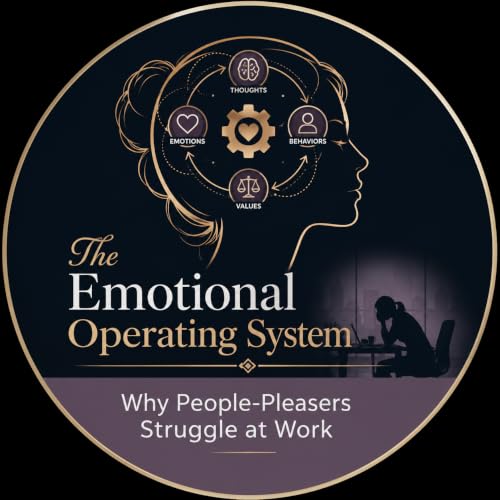
Finally, Susan introduces her Emotional Operating System (EOS) framework, explaining why lasting change doesn’t begin with changing your behavior—it begins by transforming the unconscious emotional system that drives your decisions.
Because power doesn’t create character.
It reveals the emotional system that has been guiding you all along.
If you’ve ever struggled with people-pleasing, boundaries, leadership, workplace confidence, or the courage to be disliked, this episode offers a deeper perspective on becoming psychologically whole while leading with strength, wisdom, and integrity.
The Same Emotional Structure explores the hidden architecture of love, attachment, identity, leadership, and human behavior through psychology, philosophy, and the Emotional Operating System.


 21 分
21 分 20 分
20 分 25 分
25 分 21 分
21 分 19 分
19 分 19 分
19 分 19 分
19 分 2026/07/1112 分