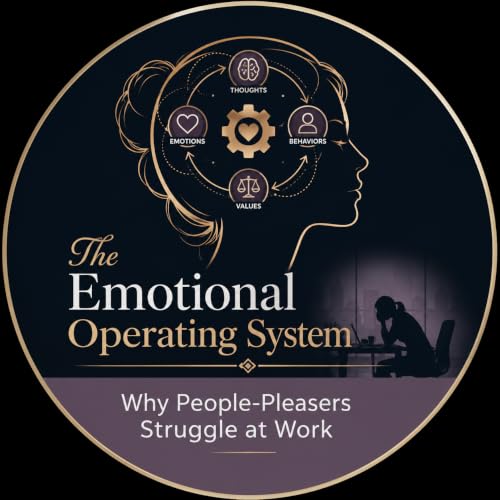
『The Same Emotional Structure』のカバーアート

The Same Emotional Structure

The Same Emotional Structure

著者: Susan Q
無料で聴く

A podcast exploring the hidden emotional systems that shape human behavior, relationships, identity, and attachment. Blending psychology, nervous system theory, trauma, and real-life human dynamics, the show breaks down why people repeat emotional patterns, seek connection, avoid vulnerability, and struggle with intimacy. Through deep conversations and original frameworks like Emotional Operating Systems (EOS) and Identity Completion Theory (ICT), the podcast translates complex emotional and psychological concepts into relatable stories, insights, and powerful perspectives on modern human relationships.

© 2026 Susan Q. All rights reserved.
人間関係 個人的成功 社会科学 自己啓発
エピソード
  • Shadow Work and the Dangerous Good Man — Integrating Strength Without Losing Your Soul
    2026/07/20

    Why do so many capable, intelligent people struggle to set boundaries, speak up, or pursue their goals with confidence?

    What if the answer isn’t a lack of confidence—but the parts of yourself you’ve learned to hide?

    In this episode of The Same Emotional Structure, Susan Q. explores the psychology of shadow work through the ideas of Carl Jung, Jordan Peterson, Virginia Woolf, Brené Brown, and Robert Greene.

    Discover why people-pleasing can become a barrier to leadership, how fear can disguise itself as kindness, and why psychological maturity requires both strength and vulnerability.

    You’ll learn about Jung’s concept of the Shadow, Peterson’s “dangerous good man,” the Warrior archetype, Woolf’s insights into inner authority, Brené Brown’s research on wholehearted leadership, and the realities of power and influence in professional life.

    Finally, Susan introduces her Emotional Operating System (EOS) framework, explaining why lasting change doesn’t begin with changing your behavior—it begins by transforming the unconscious emotional system that drives your decisions.

    Because power doesn’t create character.

    It reveals the emotional system that has been guiding you all along.

    If you’ve ever struggled with people-pleasing, boundaries, leadership, workplace confidence, or the courage to be disliked, this episode offers a deeper perspective on becoming psychologically whole while leading with strength, wisdom, and integrity.

    The Same Emotional Structure explores the hidden architecture of love, attachment, identity, leadership, and human behavior through psychology, philosophy, and the Emotional Operating System.

    続きを読む 一部表示
    21 分
  • Emotional Sovereignty: The Freedom We Actually Need
    2026/07/19

    What if true freedom isn’t controlling other people—or even controlling your emotions—but learning to govern yourself?

    In this episode of The Same Emotional Structure, Susan Q. explores the idea of emotional sovereignty: the ability to feel deeply without being ruled by fear, anger, shame, or old emotional patterns.

    Through a powerful true story, you’ll discover how one act of compassion transformed conflict into peace, and why emotional freedom begins with understanding your own Emotional Operating System (EOS).

    In this episode, you’ll learn:

    • Why emotional reactions often originate in childhood survival strategies.
    • How your Emotional Operating System shapes relationships, conflict, and self-worth.
    • Why self-empathy is the foundation of empathy for others.
    • How to develop emotional sovereignty without losing your authenticity.
    • What The Alchemist by Paulo Coelho can teach us about transforming fear into wisdom and becoming our most authentic selves.

    True independence isn’t emotional isolation. It’s having the freedom to remain compassionate, authentic, and connected—even in life’s most difficult moments.

    If this episode resonates with you, please follow, rate, and share The Same Emotional Structure. Together, we’re exploring the hidden architecture of human emotion—one conversation at a time.

    続きを読む 一部表示
    20 分
  • The Physiological Goodbye: When Your Body Says Goodbye After Your Mind Already Has
    2026/07/18

    Why does your mind know it’s time to move on… while your body still feels attached?

    In this episode of The Same Emotional Structure, Susan Q. introduces The Physiological Goodbye—a concept from her Emotional Operating System (EOS) framework that explores why healing often unfolds on two different timelines.

    While our thinking mind can recognize that a relationship, identity, or chapter of life has ended, our brain and nervous system may need more time and repeated experiences to adapt to that new reality. That gap can leave us wondering why we still cry, miss someone we don’t want back, or feel emotional long after we’ve made peace with our decision.

    Drawing inspiration from Catherine Gildiner’s Good Morning, Monster, Susan explores how insight and lived experience work together in healing, why old emotional patterns can linger, and how compassion—not self-judgment—can help us move forward.

    In this episode, you’ll learn:

    ● Why healing can feel like it happens on “two clocks.”

    ● What the Emotional Operating System is and how it shapes our expectations of love, safety, identity, and connection.

    ● Why emotional waves, phantom familiarity, and identity shifts don’t necessarily mean you’re moving backwards.

    ● How repeated experiences—not insight alone—help your nervous system learn that the present is safe.

    ● A simple practice for meeting old survival patterns with curiosity instead of fear.

    If you’ve ever wondered, “Why am I still feeling this when I know it’s over?” this episode offers a compassionate perspective that may help you understand your experience in a new way.

    Because sometimes your mind says goodbye first… and your body needs a little more time to catch up.

    続きを読む 一部表示
    25 分
adbl_web_anon_alc_button_suppression_t1
まだレビューはありません