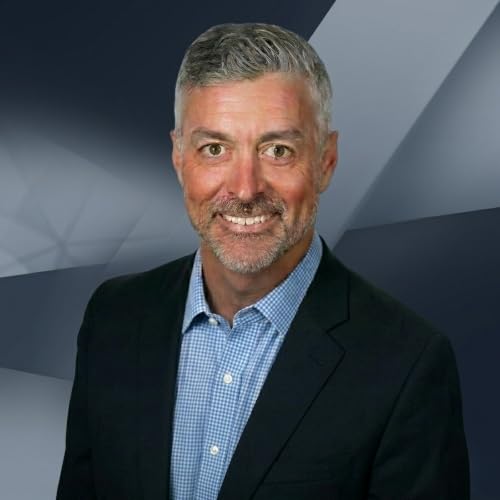
Anything your client types into ChatGPT is not privileged, and it can be discoverable in litigation. Dennis Sapien-Pangindian, Founding Attorney of DSP Advocates, P.C. in New York, started his career enforcing federal healthcare fraud laws at the HHS Office of Inspector General, then worked at Paul Hastings and as Senior Counsel at Epstein Becker Green before opening his own firm in 2025.
Host Collin McKee and Dennis talk about why he moved from the billable hour to flat fees, how AI-assisted research in Clio Work cut a full day of legal research to an hour or two, why he treats AI like a summer associate he doesn't fully trust yet, and the AI phone agent and lead-scraping tools he tried and dropped. Dennis also explains why clients' AI chats aren't protected, how to talk with clients who fact-check their lawyer with ChatGPT, and the one AI step every small-firm lawyer should take this week.
Chapters:
00:00 Intro: Dennis Sapien-Pangindian, DSP Advocates
01:00 Why start in government at HHS-OIG
02:48 The False Claims Act and healthcare fraud
04:30 Switching sides: from enforcer to defense counsel
06:03 Why he left Big Law to start a firm of one
07:45 Billable hour vs. flat fees
10:47 How AI makes flat fees profitable (Clio Work)
13:46 AI tools that failed: AI receptionist and lead scraping
16:59 White glove, not a metal hand
19:00 Your client's ChatGPT chats aren't privileged
21:22 When clients fact-check their lawyer with ChatGPT
23:38 Do this week: run an AI audit
24:19 Where AI in legal practice goes in the next two years
25:43 Where to find Dennis and DSP Advocates
Dennis Sapien-Pangindian / DSP Advocates: https://www.dspadvocates.com
Dennis on LinkedIn: https://www.linkedin.com/in/dsapienpangindian/
Endeavors AI: https://www.endeavorsai.com
Educational only, not legal advice.


 27 分