エピソード

  • What's Possible in Psychiatry with Dr. Margaret Steele
    2026/07/09

    In this episode, Tolu sits down with Dr. Margaret Steele - psychiatrist, certified physician executive, and former Dean of the Faculty of Medicine at Memorial University of Newfoundland. Dr. Steele's path to psychiatry wasn't a straight line: she studied microbiology, considered actuarial sciences, even explored interior design before finding her way to medicine. Today she holds one of the most decorated careers in Canadian psychiatry.They talk about what it actually means to be a psychiatrist, what leadership in medical education looks like from the inside, and why interprofessional collaboration matters more than most people realize. Dr. Steele also opens up about navigating leadership as a woman in medicine, the emotional weight of this work, and where she thinks the field still has to go - especially for youth mental health.----------------Want to find BrainCore elsewhere on the internet?Website - ⁠thebraincorepodcast.com ⁠Instagram - ⁠https://www.instagram.com/thebraincorepodcast/⁠Twitter - ⁠https://x.com/thebraincorepod⁠TikTok - https://www.tiktok.com/@thebraincorepodcastEmail - thebraincorepodcast@gmail.comCreative Team:Intro/Outro Graphics Design: Earl Bamidele-PensonIntro/Outro Jingle: Jakim Iretomide Ayo-DavidsonVideography: OluVision Media

    続きを読む 一部表示
    30 分
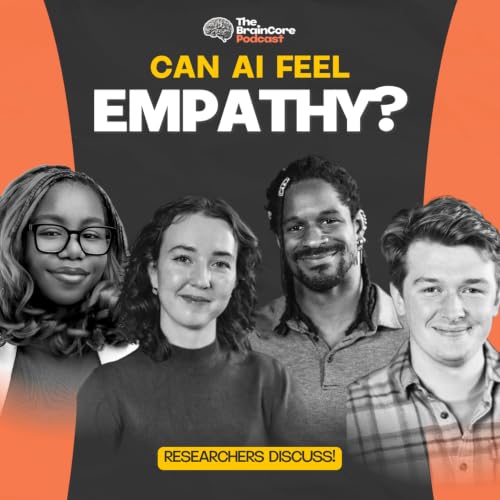
  • ChatGPT Beat Crisis Responders in Empathy Ratings | Psychology Researchers Discuss
    2026/06/25

    Can AI actually be empathetic?

    In this episode of BrainCore, host Tolu Faromika is joined by researchers Dariya Ovsyannikova, Leif Anderson, and Zachary Grey to explore one of the biggest questions at the intersection of psychology and technology: can artificial intelligence (AI) provide empathy, and what happens when it does?

    The conversation is inspired by Dariya's recent article examining how people perceive empathetic responses from ChatGPT compared to responses from humans, including trained crisis responders. The findings raise important questions about empathy, mental health support, transparency, and the future role of AI in psychological care.Together, we discuss:

    • What empathy actually is and why it matters
    • Why ChatGPT was rated as more compassionate than human responders
    • The ethical implications of AI-generated empathy
    • AI therapy chatbots and mental health support tools
    • How people are already using AI for emotional support
    • The risks, limitations, and concerns surrounding AI in vulnerable populations
    • What the future of psychology and AI could look like

    Whether you're interested in psychology, mental health, artificial intelligence, or emerging technology, this episode offers a thoughtful discussion about where these worlds are beginning to overlap.----------------Want to find BrainCore elsewhere on the internet?Website - ⁠thebraincorepodcast.com ⁠Instagram - ⁠https://www.instagram.com/thebraincorepodcast/⁠Twitter - ⁠https://x.com/thebraincorepod⁠TikTok - https://www.tiktok.com/@thebraincorepodcastEmail - thebraincorepodcast@gmail.comCreative Team:Intro/Outro Graphics Design: Earl Bamidele-PensonIntro/Outro Jingle: Jakim Iretomide Ayo-DavidsonVideography: OluVision Media

    続きを読む 一部表示
    1 時間 20 分
  • Can You Actually Prevent Dementia? The Science & The Gaps | ft. Dr. Saskia Sivananthan
    2026/06/11

    Most of us don't think about dementia until it affects someone we love. But the research says we should have started much earlier.In this episode of BrainCore, Tolu sits down with Dr. Saskia Sivananthan - neuroscientist, dementia policy leader, and one of Canada's foremost voices on brain health — to unpack what dementia really is, how it differs from Alzheimer's, and what the science actually says about reducing your risk. Yes, even if you already have a diagnosis.They also get into cognitive reserve, why social connection matters more than most people realize, and what a new drug called Lecanemab could mean for the future of dementia treatment.But this conversation goes beyond the science. Dr. Sivananthan speaks honestly about the communities being left out of dementia research and care, what it means to have culturally grounded conversations about brain health, and why an aging population makes all of this more urgent than ever.----------------Want to find BrainCore elsewhere on the internet?Website - ⁠thebraincorepodcast.com ⁠Instagram - ⁠https://www.instagram.com/thebraincorepodcast/⁠Twitter - ⁠https://x.com/thebraincorepod⁠TikTok - https://www.tiktok.com/@thebraincorepodcastEmail - thebraincorepodcast@gmail.comCreative Team:Intro/Outro Graphics Design: Earl Bamidele-PensonIntro/Outro Jingle: Jakim Iretomide Ayo-DavidsonVideography: OluVision Media

    続きを読む 一部表示
    39 分
  • Mental Health Has No Borders: A Global Perspective | Dr. Benedict Weobong
    2026/05/28

    A conversation about mental health in Accra sounds different from one in Mumbai. The words are different, the stigma is different, the meaning is different. And for treatment to actually work, it has to start there. That's the work Dr. Benedict Weobong has dedicated his career to.In this episode of BrainCore, Tolu sits down with the global mental health epidemiologist and York University professor to get into what global mental health epidemiology really means, why cultural sensitivity isn't one-size-fits-all, and what Western psychology still has to learn from a global outlook.

    Having worked across West Africa, India, the UK, and now Canada, Dr. Weobong brings a perspective that is rare, necessary, and genuinely eye-opening. They also get honest about what it takes to stay motivated when you're staring down mental health statistics that are hard to comprehend — and where this field still needs to go.


    Want to find BrainCore elsewhere on the internet?Website - ⁠thebraincorepodcast.com ⁠Instagram - ⁠https://www.instagram.com/thebraincorepodcastTwitter - ⁠https://x.com/thebraincorepod⁠TikTok - / thebraincorepodcast Email - thebraincorepodcast@gmail.comCreative Team:Intro/Outro Graphics Design: Earl Bamidele-PensonIntro/Outro Jingle: Jakim Iretomide Ayo-DavidsonVideography: OluVision Media

    続きを読む 一部表示
    1 時間 1 分
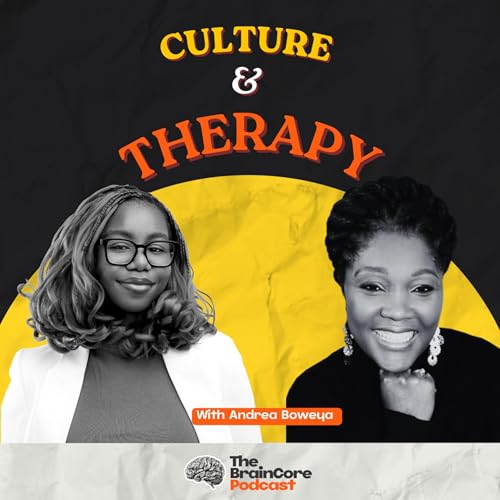
  • What Healing Really Looks Like | Therapy, Faith & Representation ft. Andrea Boweya
    2026/05/14

    What does psychotherapy actually look like beyond diagnoses and coping strategies?

    In this episode of The BrainCore Podcast, host Tolu Faromika sits down with psychotherapist [Guest Name] for an in-depth conversation about therapy, mental health, healing, culture, faith, and representation in mental health care.Together, they discuss:

    • What psychotherapy is and how therapy helps people heal

    • Common misconceptions about therapy and the therapeutic relationship

    • What it means to heal emotionally through psychotherapy

    • The experience of being a Black psychotherapist in Canada

    • Why cultural competence matters in mental health care

    • Faith, spirituality, and mental health

    • Mental health stigma in underrepresented communities

    • Advice for new therapists, psychology students, and people considering therapy

    This episode is perfect for anyone interested in psychology, psychotherapy, counselling, mental health careers, emotional healing, or learning more about how therapy works in real life.

    ----------------Want to find BrainCore elsewhere on the internet?Website - ⁠thebraincorepodcast.com ⁠Instagram - ⁠https://www.instagram.com/thebraincorepodcast/⁠Twitter - ⁠https://x.com/thebraincorepod⁠TikTok - https://www.tiktok.com/@thebraincorepodcastEmail - thebraincorepodcast@gmail.comCreative Team:Intro/Outro Graphics Design: Earl Bamidele-PensonIntro/Outro Jingle: Jakim Iretomide Ayo-DavidsonVideography: OluVision Media

    続きを読む 一部表示
    53 分
  • "I Was 30 When I Found Out I Had ADHD — And It Changed Everything" (ft. Kayla Lewis)
    2026/04/23

    Kayla Lewis didn't receive her ADHD diagnosis until her 30s — and it changed how she understood her entire life. In this episode of BrainCore, Tolu sits down with Kayla to unpack what late diagnosis really feels like, how she navigates motherhood with ADHD (including supporting her son through his own assessment), and what it means to be a Black woman balancing home, work, and mental health. Kayla also opens up about her journey through multiple diagnoses - including GAD, MDD, PMDD, and ADHD - and why finding the right labels was validating, not limiting.They dig into coping strategies, working with clinical psychologists, the gaps in the mental healthcare system, and why community and open conversation are the first step to healing.----------------Want to find BrainCore elsewhere on the internet?

    Website - ⁠thebraincorepodcast.com ⁠Instagram - ⁠https://www.instagram.com/thebraincorepodcast/⁠Twitter - ⁠https://x.com/thebraincorepod⁠TikTok - https://www.tiktok.com/@thebraincorepodcastEmail - thebraincorepodcast@gmail.comCreative Team:Intro/Outro Graphics Design: Earl Bamidele-PensonIntro/Outro Jingle: Jakim Iretomide Ayo-DavidsonVideography: OluVision Media

    続きを読む 一部表示
    1 時間 9 分
  • What We Get Wrong About Autism | Dr. Iris Yusupov Rose
    2026/04/09

    You’ve probably heard these before:

    “Autistic people lack empathy.”

    “You can outgrow autism.”

    But how many of them are actually true?

    In this episode of BrainCore, Tolu is joined by Dr. Iris Rose to challenge some of the most persistent myths about autism spectrum disorder. Together, they explore what gets lost when autism is framed only in terms of deficits, and what shifts when we begin to center lived experience, communication differences, and context.

    This Autism Acceptance Month, we invite you to rethink how you view and understand autism!

    Special Offer for Clinicians:

    Interested in deepening your practice? Dr. Rose and other psychologists created Autism Reframe, an online course designed for mental health professionals to learn foundational skills through a neurodiversity-affirming lens.

    DISCOUNT CODE: Use CODE BRAINCORE50 for $50 off! (https://www.autismreframe.com/)


    References: ​​Crompton, C. J., Ropar, D., Evans-Williams, C. V., Flynn, E. G., & Fletcher-Watson, S. (2020). Autistic peer-to-peer information transfer is highly effective. Autism, 24(7), 1704-1712.


    ----------------

    Want to find BrainCore elsewhere on the internet?

    Website - ⁠thebraincorepodcast.com

    Instagram - ⁠https://www.instagram.com/thebraincorepodcast/⁠

    Twitter - ⁠https://x.com/thebraincorepod

    TikTok - https://www.tiktok.com/@thebraincorepodcast

    Email - thebraincorepodcast@gmail.com

    Intro/Outro Graphics Design: Earl Bamidele-Penson

    Intro/Outro Jingle: Jakim Iretomide Ayo-Davidson

    Videography: OluVision Media

    続きを読む 一部表示
    48 分
  • When Your Family Doesn’t Believe in Mental Health | Culture & Stigma with Jessie Sidhu
    2026/03/26

    What do you do when you want help… but your family says no?

    In this episode of BrainCore, Tolu sits down with mental health advocate Jessie Sidhu to talk about navigating mental health in cultures where it’s often misunderstood or dismissed.

    From late ADHD and autism diagnoses to building platforms that support others, Jessie shares how she turned her experiences into impact. If you’ve ever felt torn between your mental health and your environment, this conversation is for you.Want to find BrainCore elsewhere on the internet?Website - ⁠thebraincorepodcast.com ⁠Instagram - ⁠https://www.instagram.com/thebraincorepodcast/⁠Twitter - ⁠https://x.com/thebraincorepod⁠TikTok - https://www.tiktok.com/@thebraincorepodcastEmail - thebraincorepodcast@gmail.comCreative Team:Intro/Outro Graphics Design: Earl Bamidele-PensonIntro/Outro Jingle: Jakim Iretomide Ayo-DavidsonVideography: OluVision Media

    続きを読む 一部表示
    39 分