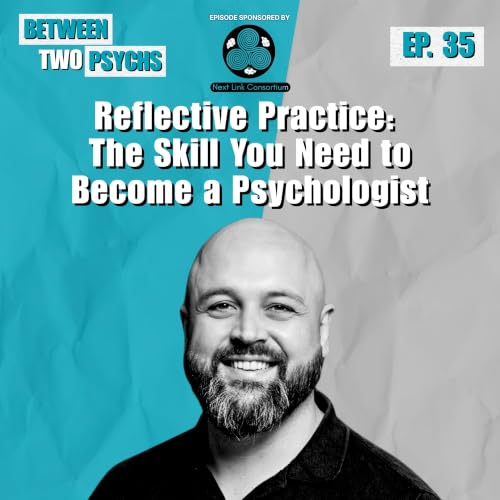
『Reflective Practice: The Skill You Need to Become a Psychologist』のカバーアート

Reflective Practice: The Skill You Need to Become a Psychologist

Reflective Practice: The Skill You Need to Become a Psychologist

無料で聴く

ポッドキャストの詳細を見る

【Amazonプライム会員限定】今ならプレミアムプランが4か月 月額99円。

10月19日まで。※適用条件あり
What makes reflective practice different for a psychologist, and how can psychological theory change the way we understand what we see?In this episode, I explore reflective practice as a core skill in psychology. Rather than simply asking what happened, reflection involves critically examining professional experiences, assumptions and actions, and using that thinking to inform what we do next.The discussion looks at how psychologists can use theory to interrogate situations, consider different explanations and view the same experience through different psychological lenses. Using the bystander effect as an example, we explore how the presence and behaviour of others can influence whether someone intervenes when help is needed.It also reflects on an undergraduate study exploring whether shared identity might influence helping behaviour. The study compared how students and lecturers responded when someone dropped hundreds of papers near a staircase, raising questions about in-group bias, social identity theory and the role of shared identity.We then consider how this experience shaped thinking about behaviour in schools. Instead of focusing only on managing behaviour between children, the discussion explores how changing relationships, finding shared interests and recognising similarities can influence how children relate to one another.It also introduces systemic thinking and reflexivity, including the importance of recognising that psychologists are not standing outside the system they observe, but are part of it.In This Episode, We ExploreWhat reflective practice means and how it informs what we do next.Why psychologists use theory to interrogate what they are seeing.The bystander effect and the influence of other people on helping behaviour.How shared identity and in-group bias may affect whether people intervene.An undergraduate study involving students, lecturers and hundreds of dropped papers.What social identity theory can help us understand about behaviour.How shared interests and cultural heritage helped change relationships between children.Why changing relationships can sometimes change behaviour.The connection between reflective practice and reflexivity.Why This Episode MattersReflective practice is not simply about asking what went well or badly. It involves questioning experiences, considering different psychological explanations and allowing that thinking to influence future practice.As the episode explores, an undergraduate study continued to shape professional thinking years later. The important part was not just what the study found, but how the experience changed the way of thinking and eventually changed the way of practising.🎧Listen now for a discussion about reflective practice, psychological theory, shared identity, relationships and systemic thinking.I’d love to hear your thoughts:What does reflective practice mean to you?How do you use psychological theory to understand what you see?Has an experience ever changed the way you approach your practice?Sponsored by: Next Link ConsortiumNext Link Consortium is a tailored recruitment service connecting psychology and education specialists to high-impact opportunities with built-in CPD benefits. Whether your focus is targeted SEMH and crisis support, strategic SEND audits and consultations, or professional CPD delivery, you’re welcome to contact Matheos Maneli directly to understand where your skills are needed most right now.If you have questions about the service or would like to engage directly, please contact Matheos Maneli. https://www.nextlinkconsort.co.uk/ https://uk.linkedin.com/company/next-link-consortiumConnect with Me (Dr Adam McCartney)Instagram: @‌dradammcartneyWebsite: dradammccartney.comYouTube: @‌Dr.AdamMcCartney
adbl_web_anon_alc_button_suppression_t1
まだレビューはありません