エピソード

  • Why Your Nervous System Won't Let You Rest
    2026/09/06
    First aired September 6, 2026 Dr. Charleanea Arellano has spent over 30 years as a clinical psychologist and leadership coach, but the framework she's best known for now, the Embodied Narrative Framework, didn't come from a textbook. It came from putting away laundry five years ago and noticing her own body bracing for impact, for no reason at all, at age 55, after decades of actually being safe. Dr. Arellano built her career studying how high-achieving women lead while carrying nervous systems shaped by trauma, and by the added weight of managing how their race, sexuality, or gender is perceived in the room. As a queer Latina psychologist who didn't come out publicly until 2024, and who spent years often being the only person of color at the table, she's lived the pattern she now helps her clients unwind. We talk about what a chronically activated nervous system actually feels like in the body, the subtle and not-so-subtle ways bias shows up in a room, why "just get a massage" isn't a real fix for high achievers, and the simple, several-times-a-day nervous system reset she teaches instead. Watch this epsiode on Youtube | Subscribe In this episode Why Dr. Arellano's own healing journey, not her doctorate, is what actually led her to the nervous system work she's known for todayWhat it felt like to be the only person of color in the room for decades, and the subtle versus overt ways bias and microaggressions actually show upHow to tell when your nervous system is activated, from bracing for impact to chronic anxiety, and why it starts in the body, not the mindThe physical toll of years of unresolved activation: TMJ, chronic headaches, fatigue, digestive issues, and moreWhy women and men are socialized to handle stress so differently, and what that means for high-achieving women specificallyThe several-times-a-day nervous system reset Dr. Arellano teaches her clients, and why it only takes secondsBalancing connection and protection with family members who caused real harm, and what it looks like to set a boundary without needing them to understand it Timestamps (00:01) Welcome and guest intro: meet psychologist and Embodied Narrative Framework founder Dr. Charleanea Arellano(03:07) Her path into psychology: curiosity about human behavior, a high school class, and a PhD by 29(05:26) "We are a version of our perfect client": how her own experience as a high achiever managing perceptions shaped her work(07:52) The subtle and overt ways bias shows up in a room, from stopped conversations to backhanded compliments(11:49) Stepping away from the professional world in 2003 after years of navigating belonging and credibility(13:24) What it actually feels like when your nervous system is activated: bracing, anxiety, and the body's fight-or-run response(20:35) The chronic physical toll: TMJ, headaches, fatigue, digestive issues, and chronic pain(24:30) Why women carry stress differently than men, and what that means for high-achieving women(25:57) The several-times-a-day nervous system reset, and why "just get a massage" doesn't work for high achievers(33:36) Her books: the memoir Terrible Gifts and The Last Dance, on intergenerational trauma with her father(37:01) Balancing connection and protection: boundaries with family members who caused real harm(40:06) Where to find Dr. Arellano and her work About Dr. Charleanea Arellano Dr. Charleanea Arellano is a licensed psychologist and Board Certified Life Coach with over 30 years of clinical and leadership experience, and the founder of the Embodied Narrative Framework. A queer Latina psychologist, she helps high-achieving women understand how nervous system patterns, trauma-adapted achievement, and the added stress of managing how their race, sexuality, or gender is perceived shape the way they decide, lead, and relate to success. Her own healing journey, including decades of navigating rooms where she was often the only person of color, informs her work today. She's the author of the forthcoming memoir Terrible Gifts: Finding the Light in the Darkest of Places, and The Last Dance, which explores intergenerational trauma through her relationship with her father. Learn more at Dr. Charleanea's website, or connect with her on LinkedIn. Favorite quotes "We are a version of our perfect client." —Dr. Charleanea Arellano "It starts with the nervous system. The nervous system is online before we have any conscious thought about it. It's running the show." —Dr. Charleanea Arellano "This is hygiene. This is another form of hygiene — nervous system hygiene that you do throughout the day." —Dr. Charleanea Arellano, on why a 30-second reset matters as much as brushing your teeth Resources mentioned Dr. Charleanea's website: home to her coaching practice and more on the Embodied Narrative FrameworkTerrible Gifts: Finding the Light in the Darkest of Places: Dr. Arellano's forthcoming memoir, currently in the publication processThe Last Dance: her book on ...
    続きを読む 一部表示
    44 分
  • Why Business Leaders Need Negotiation Skills
    2026/08/23
    First aired August 23, 2026 Annette Mullin spent 24 years with the Las Vegas Metropolitan Police Department, nine of them as a crisis negotiator, eventually leading one of the busiest negotiation teams in the country â€" averaging over 100 call-outs a year. She worked patrol, sexual assault, internal affairs, and homicide, becoming LVMPD's first female homicide sergeant, before spending her final years as the department's director of employee wellness in the aftermath of the October 1 Mandalay Bay shooting, the largest mass shooting in U.S. history. Now a negotiation instructor and coach at the Black Swan Group, founded by former FBI lead hostage negotiator Chris Voss, Annette translates those high-stakes lessons into practical tools for leaders, teams, and individuals navigating pressure, conflict, and growth. We talk about the universal need she discovered in every person she ever negotiated with, why the crime itself is almost always a secondary issue, what "tactical empathy" actually looks like in practice, and why most of us were never actually taught how to listen. Watch this episode Youtube episode link here In this episode How the O.J. Simpson case and a criminalistics program in LA sparked Annette's path into crime scene investigation, and why she chose Las Vegas over LAPDJoining LVMPD's crisis negotiation team, and what made Las Vegas's team one of the busiest in the countryBecoming LVMPD's first female homicide sergeant, and the advice that helped her navigate a male-dominated field without making it about genderWhy removing assumptions, and getting curious instead of judgmental, changed how she worked with people in crisisThe universal need Annette discovered every person in crisis shares, no matter how different the circumstancesWhy the crime itself is almost always a secondary issue, and what's usually driving it underneathHow Chris Voss's "tactical empathy" model, from Never Split the Difference, turns negotiation into collaboration instead of a tug-of-warThe five levels of listening Black Swan teaches, and why most of us are trained to listen to respond instead of to understand Timestamps (00:01) Welcome and guest intro: meet retired LVMPD crisis negotiator Annette Mullin(02:23) From the East Coast to Las Vegas: the O.J. Simpson case and her path into crime scene investigation(04:42) Joining the crisis negotiation team, and Las Vegas's brutal call-out numbers(06:36) Retiring after serving as director of employee wellness following the October 1 Mandalay Bay shooting(08:15) What drew her to law enforcement as a kid, from Nancy Drew to Quincy, M.E.(10:10) Navigating gender in a male-dominated field, and becoming LVMPD's first female homicide sergeant(14:00) Removing assumptions: why curiosity beats judgment when someone has "a chip on their shoulder"(16:52) The universal need every person in crisis shares, and why that surprised her most(20:05) Why the crime is almost always the secondary issue(24:28) From hostage negotiation to the boardroom: Chris Voss, Black Swan Group, and tactical empathy(28:43) The biggest obstacle to listening, and the five levels of listening Black Swan teaches(31:50) The number one struggle business leaders bring to her, and why practicing in "low stakes" moments matters(34:12) Where to find Annette, Black Swan Group, and the new book Fight Less, Win More About Annette Mullin Annette Mullin is a retired Las Vegas Metropolitan Police Department leader with 24 years of law enforcement experience, including nine years as a crisis negotiator and eventual leader of LVMPD's crisis negotiation team, one of the busiest in the country. Over her career she worked patrol, community policing, sexual assault, internal affairs, and homicide, becoming LVMPD's first female homicide sergeant, before serving as the department's director of employee wellness in the aftermath of the October 1 Mandalay Bay shooting. Now a negotiation instructor and coach at the Black Swan Group, founded by former FBI lead hostage negotiator Chris Voss, Annette teaches the principles behind Never Split the Difference, including tactical empathy, to leaders, teams, and individuals navigating pressure and conflict in business and life. Learn more at the Black Swan Group, or connect with Annette on LinkedIn. Favorite quotes "There is a universal need for every person to be heard, to be seen, and to be understood." "Not everybody is like you. Removing assumptions was really key, let them show you or tell you." "If I read a book about working out every week but never lift a weight, I can't expect to see anything different." Resources mentioned Black Swan Group: negotiation training founded by former FBI lead hostage negotiator Chris VossNever Split the Difference by Chris Voss: the book that brings hostage-negotiation principles like tactical empathy into business and everyday lifeFight Less, Win More: Chris Voss's newest book, adapting those same skills for personal relationshipsAnnette ...
    続きを読む 一部表示
    37 分
  • Why Imposter Syndrome Keeps Leaders Stuck
    2026/08/09

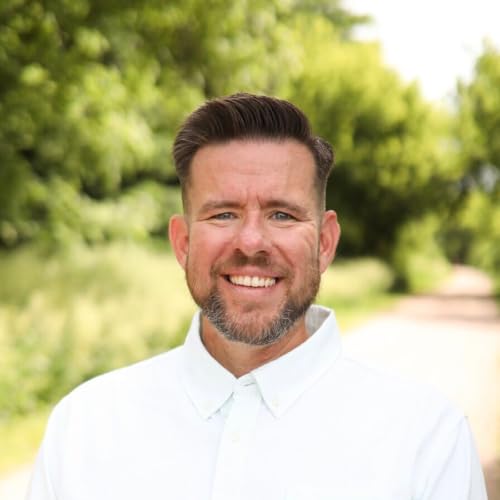
    In this episode, Dana is joined by Kurt Bush, a trauma-informed coach who helps leaders move from imposter syndrome to authentic confidence. Kurt shares his own journey with imposter syndrome, from feeling like a fraud in corporate leadership meetings to realizing his true calling. He explains that to make a change, the pain of staying the same must become greater than the pain of changing, a threshold many of us fear crossing. Kurt introduces the ERT (Encounter + Reflection = Transformation) framework, a practical approach to help you get unstuck. He reveals why the first step to moving forward is often learning to "start stopping" the things that drain your energy, allowing you to create a life that is truly aligned with who you are.

    Kurt's Website

    Kurt's Linkedin

    -------------

    Learn more about Phoenix and Flame, connect with Dana, and listen to more episodes here:

    Book Dana for your next speaking event or workshop

    続きを読む 一部表示
    35 分
  • Your Midlife 'Crisis' Might Be Burnout (with Jody Brooks)
    2026/07/26
    A midlife crisis isn't actually a crisis. That's the challenge Jody Brooks puts to anyone who's ever felt lost, restless, or quietly convinced something's wrong with them somewhere around 40 or 50: what looks like burnout, and what people love to write off as a freakout, is more often a calling. His own arrived at lunchtime at the office, buzzing canteen and all, when he found himself sitting in a restroom cubicle, crying so hard he could barely breathe. No brutal meeting that morning. No disaster. Just the quiet moment his body picked to file its formal complaint: burnout wasn't a "rough patch" anymore, it was a full-body shutdown. I've been a therapist for 18 years, and I can tell you: high performers do this. We white-knuckle through "one more day" (and one more, and one more) until the body stops asking politely. Sound familiar? Jody is a UK-based midlife and burnout coach who once survived 52 flights in eight months of what he calls "jazz hands" performing, and his calling-not-crisis framework is asking you to come home to yourself. We get into how to spot the full-body warning signs before you hit your own cubicle moment, how to settle anxiety in the moment it spikes (not three weeks and one forced sabbatical later), and Jody's wonderfully backwards first step for anyone feeling stuck: don't start something new. Start stopping. Watch this episode on YouTube: https://www.youtube.com/watch?v=qfi9lec7n2o In this episode Why burnout can feel like "just a bad day" until it suddenly isn't, and how to recognize the full-body warning signs before you hit the wallWhy a midlife crisis isn't really a crisis at all: it's a calling to reconnect with who you actually areThe anxiety-regulation technique Jody uses with coaching clients to come back from a stress spiral in real timeWhy you can't be "out of alignment" until you know what alignment actually means, and how to find your starting pointThe "start stopping" exercise for anyone who wants change but doesn't know where to beginHow understanding your core values turns boundaries from something scary into something guilt-free Timestamps (00:01) Welcome and guest intro: meet midlife and burnout coach Jody Brooks(01:47) The restroom-cubicle "pile of ash" moment: burnout as a full-body shutdown(04:34) The three-hour drive home, and the decision to stop(06:43) Fear, anxiety, and the "one small thing" that finally breaks us(10:10) Jody's technique for regulating anxiety and stress in the moment(13:59) What alignment really means (and the bus analogy)(19:39) Why younger generations and midlifers experience burnout differently(24:37) The blank-page moment: reclaiming your story through empowerment(25:43) "Start stopping": Jody's first step for anyone feeling stuck(29:21) Boundaries, core values, and why saying no is an act of service(33:17) Where to find Jody and his free resources About Jody Brooks Jody Brooks is a UK-based midlife and burnout coach and the founder of Authentic Coaching. After burning out during a high-pressure international career in education (one stretch included 52 flights in eight months) he developed the nine principles of authentic living, a practical framework that helps people turn crisis into connection and sustainable well-being. Learn more and join his free community at Jody's website, or connect with him on LinkedIn. Favorite quotes "I actually can't go back." —Jody Brooks, on the moment burnout finally broke through "Start stopping. Stopping what no longer serves you." —Jody Brooks "If you don't know where you're going, any road will take you there." —Jody Brooks Resources mentioned AuthenticCoaching.me: Jody's website and free community, home to the "Start Stopping" exercise and the anxiety-regulation technique he mentions on the showJody's nine principles of authentic living (his coaching framework, discussed throughout the episode)Jody Brooks on LinkedIn Subscribe & connect If this episode gave you something to sit with, follow Phoenix and Flame so you never miss an episode: all apps in one place, or jump straight to Apple Podcasts, Spotify, Amazon Music, or YouTube. And if it moved you, leave a review; it's the easiest way to help another listener find the show. Learn more about Phoenix and Flame, connect with Dana, and listen to more episodes here. Curious where your own boundaries stand? Take my free Work Boundaries Quiz: danaskaggs.com/quiz
    続きを読む 一部表示
    37 分
  • How You Can Find Hope After Rock Bottom (Aaron Ryan)
    2026/07/19
    Two in the morning. Sitting on the toilet, clothed, bawling into a pillow, because a broken PC was the last thing standing between him and the self-employed life he wanted so badly he could feel it in his teeth. That's where my guest this week hit rock bottom: not one dramatic collapse, but months of computer problems piling on top of a dream that felt like it was never going to happen. A client shared one quote with him that day, and Aaron Ryan has carried it in his back pocket for almost twenty years since: "The temptation to quit is always greatest just before your greatest success." Aaron is an award-winning, bestselling author of the six-book Dissonance alien invasion saga (one installment is being pitched to streaming networks right now), plus dozens of other titles across sci-fi, historical fiction, and children's books, and he's also a working voice actor. We talk about the "Illuminati" he ran into at the top of the voiceover industry, the sting of writing 300 blog posts meant to encourage people only to be told they were "nothing," and why he walked away from that world entirely to go back to his first love: storytelling. Aaron also shares his best advice for anyone starting out as a writer (be authentic, steer clear of generative AI, and grow thick skin fast), and the 9/11 historical novel he wrote as an act of catharsis, imagining a world where the attacks never happened. If you've ever felt like an imposter next to people who seem to have it all figured out, or you're right on the edge of giving up on something you can feel in your teeth, this conversation is the reminder that the breakdown right before the breakthrough is often just... the process. Watch this episode on YouTube: https://www.youtube.com/watch?v=mHeG1Oqaspc In this episode The quote Aaron has carried for almost 20 years, and the two memory sticks that changed his entire careerWhy running into "the Illuminati" of the voiceover industry, and being told his encouragement blogs were "nothing," turned out to be his breakthrough in disguiseAaron's advice for anyone who wants to write a book: be authentic, avoid generative AI, and grow thick skin fastWhy holding a finished book in your hands matters more than whether anyone buys itHow Aaron turned personal catharsis into fiction, including a 9/11 historical novel where the attacks never happenWhat "breakdown to breakthrough, wash, rinse, repeat" really looks like over a creative career Timestamps (00:01) Welcome and guest intro: meet award-winning author Aaron Ryan(01:38) The Dissonance saga, Hollywood pitches, and film festival wins(03:04) The young author's club at age 10, and being "fated" to write(04:39) Advice for new writers: be authentic, avoid AI, grow thick skin(07:38) Imposter syndrome, and the 7,500 books published on Amazon every day(09:57) "The Electric Boy": writing his first "book" at age seven(13:20) Why Aaron writes sci-fi, post-apocalyptic, and dystopian fiction(16:57) The "Illuminati" of the voiceover industry, and walking away from it(22:46) 2007: leaving full-time work, and the PC that wouldn't stop breaking(24:12) Bawling into a pillow at 2am, and the quote that changed everything(26:31) Breakdown to breakthrough, wash, rinse, repeat(28:31) Aaron's favorite books: The End Omega, and a 9/11 novel where the attacks never happen(35:00) Where to find Aaron and his books About Aaron Ryan Aaron Ryan is an award-winning and best-selling author, speaker, panelist, workshop presenter, and voice actor. He's the author of the six-book Dissonance alien invasion saga (currently being pitched to streaming networks), the Christian dystopian series The End, the 9/11 historical fiction novel Forecast, and dozens of other titles across sci-fi, historical fiction, and children's books. He lives in Washington with his wife, two sons, and a small menagerie of pets. Learn more at Aaron's website, or join his free community for screenplay updates, discount codes, giveaways, and appearances. Favorite quotes "The temptation to quit is always greatest just before your greatest success." —a line Aaron Ryan has carried in his back pocket for almost 20 years "If you can steer clear of AI, please do. Don't outsource your work to a chip." —Aaron Ryan "I must create or I'm gonna blow up, I'll explode." —Aaron Ryan Resources mentioned AuthorAaronRyan.com: Aaron's website, with links to all his books and social channelsAaron's free Facebook community: screenplay status updates, discount codes, giveaways, and appearancesDissonance, Aaron's six-book alien invasion sagaThe End Omega, the finale of Aaron's Christian dystopian seriesForecast, Aaron's 9/11 historical fiction novel Related episodes From Rock Bottom to Mountain Top: Interview with Kevin Palmieri: another guest's road from the bottom back up From Tragedy to Triumph: Rhonda Britten's Path to a Fearless Life: more on turning devastation into a fearless second actFrom the Edge of Suicide to the Grace of Grief: another raw ...
    続きを読む 一部表示
    37 分
  • How Your Body's Intuition Can Heal You (Rebecca Russell)
    2026/07/12
    Four years of chronic pain. A fibromyalgia diagnosis. Muscle relaxers, pain pills, migraines, MRI after MRI. And through all of it, my guest this week kept hearing the same quiet voice: something doesn't fit. Rebecca Russell listened to it anyway, tracked down a neurosurgeon, and asked for one test nobody else had run: a discogram. It found the bulging disc that had been the actual problem the whole time, and eighty-five percent of her symptoms disappeared after surgery. Rebecca is a metabolism and lifestyle coach, certified essential oil specialist, and author who's spent more than three decades turning her own health crises, a prediabetes warning in her thirties and years of unexplained chronic pain, into a holistic approach she now teaches other people. We talk about the difference between managing symptoms and finding root cause, how to bring up wanting to try something holistic without blowing up the relationship with a doctor you've trusted for decades, and the "black year" she spent as a stay-at-home mom feeling brain-dead and guilty for wanting more, before a community-college pamphlet turned into an unexpected ten-year path to becoming a published novelist. If you've ever been told your labs are "normal" while you know something is wrong, Rebecca's message is blunt and useful: do your homework, and don't let anyone, including a doctor you love, talk you out of your own intuition. Watch this episode on YouTube: https://www.youtube.com/watch?v=aa0h2DJgFWg In this episode Why Rebecca trusted her own intuition over four years of doctors telling her to just manage the pain, and the one test that finally found the root causeHow a lifestyle overhaul helped Rebecca avoid a lifetime of medication after a prediabetes warning in her thirtiesThe self-awareness, self-acceptance, self-love formula Rebecca built to help people figure out what they actually needWhy she calls herself "the Queen of Homework," and how to research a health decision your doctor won't have time toHow essential oils helped Rebecca get off a nightly sleep medication, and how each oil ties to an emotional needHer "black year" as a stay-at-home mom, and the writing-class pamphlet that turned into a decade-long path to publication Timestamps (00:01) Welcome and guest intro: meet metabolism and lifestyle coach Rebecca Russell(02:10) From Harlequin romance novelist to competitive athlete(04:52) The rec ice hockey high, and the fibromyalgia diagnosis that followed(07:08) Watching family members struggle on the traditional medical path(09:04) The American Diabetes Society's shift toward prevention and reversal(11:39) The discogram: the one test nobody else had run(13:34) The statin Rebecca refused, and the thyroid issue that was the real cause(16:05) How to bring up holistic options without losing your traditional doctor(19:50) Why Rebecca calls herself "the Queen of Homework"(20:23) Essential oils, sleep, and getting off a nightly medication(24:35) The "black year": stay-at-home motherhood, guilt, and losing her sense of self(28:22) The writing-class pamphlet that led to a published novel ten years later(35:15) Boundaries, self-acceptance, and letting other people's opinions go About Rebecca Russell Rebecca Russell is a metabolism and lifestyle coach, author, and certified essential oil specialist who believes resilience begins with how we care for our bodies. After being told she was likely headed toward type 2 diabetes, she chose a different path and has spent more than 30 years embracing a holistic lifestyle to change the trajectory of her health, including recovering from a four-year battle with chronic pain that led to a fibromyalgia diagnosis. Learn more at Rebecca's website, where you can request a free wellness consultation. Favorite quotes "Listen to your body. Listen to that intuition." —Rebecca Russell "Root cause is so important." —Rebecca Russell "You have to know yourself well enough to know what you need to be happy." —Rebecca Russell Resources mentioned RebeccaRussell.com: Rebecca's website and free wellness consultation offerRebecca's book, which includes companion journal pages for each chapter (available as a free download through Rebecca directly)The American Diabetes Society's preventative, low-carb approach to autoimmune conditions including diabetesUncover Your Light, a nonfiction anthology on stories of hope and resilience featuring a chapter by Rebecca Related episodes How to Trust Your Intuition After Trauma: more on learning to listen to your own body and instincts again How Your Survival Brain Is Sabotaging Your Happiness: the science behind why we override our own signals How to Reclaim Your Energy When You're Burned Out: pairs with Rebecca's root-cause approach to chronic health struggles Subscribe & connect If this episode gave you something to sit with, follow Phoenix and Flame so you never miss an episode: all apps in one place, or jump straight to Apple Podcasts, Spotify, Amazon Music, or YouTube....
    続きを読む 一部表示
    42 分
  • Why Successful Entrepreneurs Set Boundaries (Chris Shurian)
    2026/06/28
    My guest this week has a word for himself I'd never heard before: "entrepreholic." Over 39 years, Chris Shurian has built, operated, bought, broken, and resurrected companies in remodeling, construction, manufacturing, real estate development, foreign investment, hospitality, restaurants, and retail. He's also survived cancer and finished two Ironmans. And in 2008, when the economy crashed, he was so extended, so "all in, all in, all in," as he puts it, that he spent the next two years meeting with his banker once a week just to survive it. We talk about what it actually felt like to launch out on his own the first time (scary, but young enough that the stakes felt low), the mindset that got him through the 2008 collapse (he sold his boat and his Corvette for cash instead of losing them to the bank, because he'd paid cash for his toys in the first place), and why he now believes setting boundaries isn't a personal luxury for entrepreneurs, it's a core business strategy. Chris also shares the "work to live" question that reframed his whole career, and why four focused hours in his office can outperform someone else's fourteen. If you're building something and starting to feel like the business owns you instead of the other way around, Chris's story of setting his own hours from day one, and watching his business and his customers adapt to it, is worth the whole episode. Watch this episode on YouTube: https://www.youtube.com/watch?v=2nsQRwz6r5I In this episode Why "life balance isn't a luxury, it's a core business strategy" for entrepreneursThe mindset shift that turned "scared" into "excited" for Chris during the 2008 financial collapseWhy paying cash for the boat, the Corvette, and the cabin saved Chris's family when the bank came callingHow setting one firm boundary (a standing day off, a closed office door) trains your business and your customers to respect itWhy entrepreneurs who "jump ship" too early into a new opportunity often sabotage the one that's already workingThe life balance wheel exercise Chris still uses with his coaching clients today Timestamps (00:01) Welcome and guest intro: meet self-proclaimed "entrepreholic" Chris Shurian(01:58) The word "entrepreholic," and why it's different from "serial entrepreneur"(04:57) What launching out on his own for the first time actually felt like(06:54) The fence-building side hustle that turned into a contracting career(09:50) Bartering, visibility, and getting your work seen(13:11) Building a remodeling empire, and the year everything grew too fast(14:59) Neuroplasticity: reframing "scared" as "excited"(17:23) The 2008 crash: two years of weekly meetings with the banker(18:09) Why paying cash for the boat and the Corvette saved the family(20:08) Imposter syndrome as a coach, and the value of hard-won experience(24:30) Where Chris lost his own boundaries: jumping ship on the main business too early(28:20) "Do you live to work, or do you work to live?"(33:50) Where to find Chris and his coaching About Chris Shurian Chris Shurian is a self-proclaimed "entrepreholic" who has spent 39 years building, operating, breaking, and resurrecting companies in remodeling, construction, manufacturing, real estate development, foreign investment, hospitality, restaurants, and retail. In his own words: "I've won big, lost big, survived cancer, finished two Ironmans, and I still show up with the enthusiasm of a guy launching his very first venture." He now coaches business owners and entrepreneurs, drawing on decades of building, losing, and rebuilding. Learn more at Chris's website, or connect with him on LinkedIn. Favorite quotes "I've won big, lost big, survived cancer, finished two Ironmans, and I still show up with the enthusiasm of a guy launching his very first venture." —Chris Shurian "I am absolutely a work to live kind of guy." —Chris Shurian "I can get more done in four hours in my office than some people get done in two or three days." —Chris Shurian Resources mentioned BootstrapsAndBattleScars.com: Chris's platform, coaching, and podcastChris Shurian on LinkedInThe life balance wheel, an exercise Chris uses with coaching clients to spot where their life is out of balance Related episodes Setting Boundaries for Well-Being and Success: more on why boundaries drive success instead of limiting itEntrepreneurial Success: Habits of a Maverick: another entrepreneur's take on the habits that make the long game possible Vision and Heart: One Entrepreneur's Journey: another founder's road through building, losing, and rebuilding Subscribe & connect If this episode gave you something to sit with, follow Phoenix and Flame so you never miss an episode: all apps in one place, or jump straight to Apple Podcasts, Spotify, Amazon Music, or YouTube. And if it moved you, leave a review; it's the easiest way to help another listener find the show. Learn more about Phoenix and Flame, connect with Dana, and listen to more episodes here. Curious where your own ...
    続きを読む 一部表示
    36 分