『#412 How Prenatal cfDNA Can Uncover Undiagnosed Maternal Cancer』のカバーアート

#412 How Prenatal cfDNA Can Uncover Undiagnosed Maternal Cancer

#412 How Prenatal cfDNA Can Uncover Undiagnosed Maternal Cancer

無料で聴く

ポッドキャストの詳細を見る

【Amazonプライム会員限定】今ならプレミアムプランが4か月 月額99円。

10月19日まで。※適用条件あり
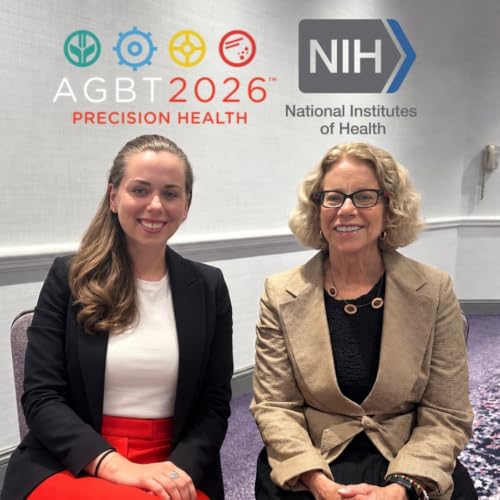
Prenatal cell-free DNA screening is designed to assess a pregnancy for chromosome conditions; but in rare cases, it can reveal something entirely unexpected about the pregnant patient’s own health. In this episode, Kira Dineen is joined in-person by Dr. Diana Bianchi to explore how unusual or non-reportable cfDNA screening results can sometimes be a signal of an undiagnosed maternal cancer. Dr. Bianchi shares findings from the NIH’s ongoing IDENTIFY study, which is investigating why these unexpected cfDNA patterns occur, how clinicians can distinguish potential malignancy from other explanations, and what should happen next when a prenatal screening result raises concern about maternal cancer. We recorded this episode in person at AGBT Precision Health, one of our favorite conferences of the year. The conference wrapped this past Wednesday and brought together leaders across genomics, precision medicine, research, and clinical care in an intimate setting that makes it easy to connect, learn, and have thoughtful conversations. The conference is also hosted at a beautiful resort in the San Diego area, which makes the experience especially memorable. We highly recommend attending next year’s AGBT Precision Health meeting, taking place September 13–15, 2027, at the same gorgeous location. We already put it on our calendars! In This Episode, We Discuss: What “non-reportable” or “uninterpretable” cfDNA results actually meanHow unusual cfDNA results differ from typical test failuresDetermining whether an unexpected cfDNA signal originates from the fetus, placenta, or pregnant patientMaternal causes of discordant cfDNA results, including fibroids, clonal hematopoiesis, a demised twin, and malignancyWhy tumors can release DNA into the bloodstream that is detected during prenatal screeningWhy Dr. Bianchi and her colleagues launched the prospective IDENTIFY study in 2019What participants undergo when they travel to the NIH Clinical Center for evaluationResults from the first 107 IDENTIFY participants, including the 52 participants diagnosed with cancerWhy lymphoma is frequently identified through these unusual cfDNA patternsChromosomal patterns that are particularly suspicious for malignancyWhy gains and losses involving three or more chromosomes can be an important warning signWhy symptoms, physical examinations, and routine bloodwork may not reliably identify patients with occult cancerThe role of rapid whole-body MRI in evaluating patients for malignancyApproaches clinicians can consider when whole-body MRI is not readily availableDiagnosing and treating cancer during pregnancyWhat researchers have learned from participants whose evaluation does not identify cancerHow the IDENTIFY study has expanded since its original published cohortHow laboratories should report cfDNA patterns that may suggest maternal malignancyThe need for professional society guidelines for clinicians receiving these unusual resultsWhat genetic counselors, OB/GYNs, and maternal-fetal medicine specialists should do when they receive a concerning non-reportable NIPS result About Dr. Diana Bianchi Diana W. Bianchi, MD, is a physician-scientist and a pioneer in noninvasive prenatal genetic testing and fetal cell microchimerism research. She previously served as Director of the Eunice Kennedy Shriver National Institute of Child Health and Human Development at the National Institutes of Health and was a senior investigator in the Center for Precision Health Research at the National Human Genome Research Institute. Her research has helped define how prenatal cell-free DNA sequencing can unexpectedly identify genomic patterns associated with maternal malignancy. In 2019, Dr. Bianchi and colleagues launched the IDENTIFY Study — Incidental Detection of Maternal Neoplasia Through Non-Invasive Cell-Free DNA Analysis — to investigate the biological causes of unusual or non-reportable prenatal cfDNA results and develop evidence-based approaches for identifying patients who may need evaluation for cancer. IDENTIFY Study The IDENTIFY study is an ongoing prospective study at the NIH Clinical Center evaluating pregnant and postpartum individuals who received unusual or non-reportable prenatal cfDNA sequencing results (also known as non-invasive prenatal screening or testing, NIPS or NIPT). The first major results from IDENTIFY were published in The New England Journal of Medicine in December 2024. Among the first 107 participants evaluated, 52 (48.6%) were diagnosed with cancer. Researchers also found: Rapid whole-body MRI had 98% sensitivity and 88.5% specificity for detecting occult cancer.Physical examination and routine laboratory testing had limited ability to distinguish participants with cancer.Among participants whose research cfDNA sequencing showed both copy-number gains and losses involving three or more chromosomes, 47 of 49 (95.9%) had cancer.Other unusual cfDNA patterns can have nonmalignant explanations, ...
adbl_web_anon_alc_button_suppression_t1
まだレビューはありません