エピソード

  • What We Hide to Belong: Denise Soler Cox on Grief, Identity, and Liberation
    2026/10/20
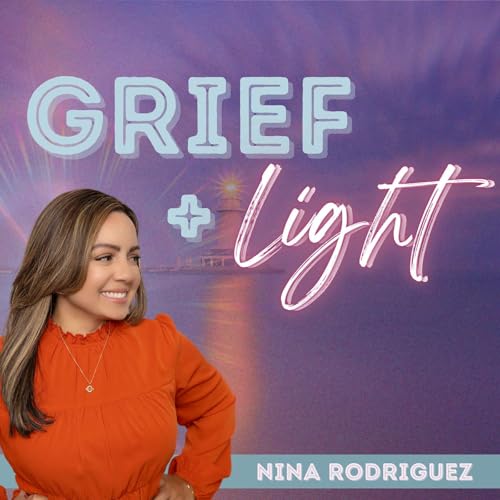
    Filmmaker, author, and speaker Denise Soler Cox joins Nina Rodriguez, host of Grief and Light™, to explore Latina identity, inherited cultural taboos, sibling grief, self-erasure, and what it takes to reclaim your voice. Drawing on her book, What Will They Say? A Liberating Guide for Latinas, Denise shares how the rules we inherit about family, belonging, and worthiness can shape the way we live, work, grieve, and show up for ourselves.After her documentary Being Eñye gained attention, Denise spent more than a decade speaking about identity and belonging. At hundreds of events, women began confiding secrets they had never told anyone. Those conversations became the foundation for her book, which explores ten recurring taboos, including childhood experiences of sexual assault and witnessing domestic violence.In this conversation, Denise and Nina discuss how cultural expectations, shame, and the pressure to be strong can lead to self-silencing, overgiving, and difficulty setting boundaries or advocating for ourselves. They explore the tension between collectivist cultural values and individual needs, and how we can honor where we come from without inheriting every rule.Denise also introduces thermal equilibrium, a physics concept that became a central metaphor for healing in her book. What happens when we stop burying painful experiences and allow truth, warmth, and connection to reach the parts of ourselves we've kept hidden? Denise reflects on writing the book, grieving her brother David, and recognizing how not having space for her own grief became one of her earliest lessons in self-erasure.In this episode, we explore:Latina identity, belonging, and the experience of living between culturesInherited cultural taboos, shame, and the question, “What will they say?” (El ¿Qué dirán?)How overworking, over-giving, and people-pleasing can become patterns of self-erasureThe tension between collectivism, familismo, and individual needsHow childhood experiences can shape adult confidence, boundaries, and self-advocacySibling grief, the pressure to be strong, and the cost of hiding our painThermal equilibrium as a metaphor for healing and emotional truthReinvention, liberation, and learning to return to ourselvesKey takeawaysSelf-erasure can begin when we learn to minimize our feelings and needs to protect others or maintain belonging.Grief isn't limited to the loss of a person. We can also grieve the versions of ourselves we were expected to become.Healing doesn't require us to have everything figured out. It begins with making room for the truth of our experiences.We can honor our families and cultural roots while questioning inherited beliefs that no longer serve us.Being witnessed without judgment or the pressure to fix our pain can help us reconnect with ourselves.What is thermal equilibrium in Denise Soler Cox's book What Will They Say?Thermal equilibrium is a physics concept Denise uses as a metaphor for healing. She describes warmth moving toward cold and connects that process to allowing truth, connection, and compassion to reach the painful experiences we've kept hidden.What is What Will They Say? A Liberating Guide for Latinas about?Denise Soler Cox's book explores ten recurring cultural taboos shared by women after her speaking engagements. It examines how inherited expectations, shame, and silence can shape Latina identity, self-worth, relationships, and professional lives.How does self-erasure relate to grief?Denise reflects on how she was expected to be strong after her brother David died, leaving little room for her own grief. She came to recognize that experience as an early lesson in self-erasure: learning to minimize her own pain because another's seemed to matter more.How can cultural expectations affect self-worth?Cultural expectations around family loyalty, sacrifice, success, and keeping private matters private can influence how people value themselves. When those expectations leave little room for personal needs, they may contribute to overgiving, shame, difficulty setting boundaries, and reluctance to speak up.Is What Will They Say? available in Spanish?Yes. Denise confirms that What Will They Say? is available in both English and Spanish, making it possible for readers and family members to engage with the book in their preferred language.Connect with Denise Soler Cox:denisesolercox.comBuy the bookInstagram: @denisesolercoxSend us Fan MailSupport the showGrief and Light™ is an award-winning, independent podcast exploring the honest, messy, and deeply human experience of loss. We’re on a mission to foster a more grief-informed, hopeful world, one conversation at a time. At the heart of the show is one belief: to grieve fully is to live fully.Subscribe to our newsletter here.🏆 Ear Worthy Best Life Lessons 2026 · TalkDeath Readers’ Choice Best Podcast 2025 · 2x Women Who Podcast Awards Winner · Podground Editor’s PickFollow Grief and Light™ wherever you watch or ...
    続きを読む 一部表示
    47 分
  • A message from Nina | Deadline is OCT 15
    2026/10/13

    Great news! Grief and Light™ is a finalist for the Signal Awards’ Listener’s Choice Award. And I’m in the running for Top Host to lead my own podcast produced by iHeartRadio, take home $25K, and be a guest on an episode of onairwithryan.iheart with Ryan Seacrest, BUT I need your support to get there:

    PLEASE VOTE HERE: griefandlight.com/vote

    Why does this matter?

    We’re taught how to prepare for so many things in life, but not how to navigate arguably the most human experience of all -- grief. Grief literacy is a life-affirming skill. It helps us understand loss, support one another, and make space for the full complexity of being human.

    I’m on a mission to foster a more grief-fluent, hopeful world, one conversation at a time.

    Winning would help me bring this work to a much broader audience, have bigger conversations, and shift the way we talk about one of the most universal human experiences we share.

    THAT would be life-changing.


    Every vote helps. And if you feel called to share it, even better.

    We're in this together.
    Nina

    The deadline is OCT 15 griefandlight.com/vote

    Will you vote for us?

    Send us Fan Mail

    Support the show

    Grief and Light™ is an award-winning, independent podcast exploring the honest, messy, and deeply human experience of loss. We’re on a mission to foster a more grief-informed, hopeful world, one conversation at a time. At the heart of the show is one belief: to grieve fully is to live fully.

    Subscribe to our newsletter here.

    🏆 Ear Worthy Best Life Lessons 2026 · TalkDeath Readers’ Choice Best Podcast 2025 · 2x Women Who Podcast Awards Winner · Podground Editor’s Pick

    Follow Grief and Light™ wherever you watch or listen.

    Connect with Nina Rodriguez:

    • griefandlight.com
    • @griefandlight
    • Resting Grief Face on Substack

    Thank you for listening!

    DISCLAIMER: Grief and Light™ is an independent podcast hosted by a grief-informed guide, not a licensed therapist, doctor, or attorney. Nothing shared here is intended as therapy, medical advice, or legal counsel. Please seek qualified professional support when needed.

    Disclaimer: griefandlight.com/safetyanddisclaimers

    続きを読む 一部表示
    3 分
  • The Grief and Hope of Living with Stage 4 Breast Cancer | Lindsy Matthews
    2026/10/13

    How can hope and heartbreak can coexist? And what does that look like when navigating stage 4 breast cancer?

    Nina Rodriguez talks with Lindsy Matthews, a coach, mother, and public speaking instructor at the University of Toronto School of Continuing Studies.

    After a stage 2 breast cancer diagnosis in 2018, Lindsy was diagnosed with stage 4 breast cancer in 2022. Now living with what is currently an incurable illness and an uncertain future, she describes her life as really good, even when it feels really hard. Lindsy calls this "the split screen life," where hope and heartache coexist.

    Together, she and Nina explore anticipatory grief, the experience of grieving a future you thought you would have while still living your life.

    They also discuss what to say (and what not to say) to someone living with chronic illness, how to tell loved ones what you need, how Lindsy talks honestly with her children, finding your "new 100%," and episodic future thinking.

    Nina also names the pain versus suffering distinction where the diagnosis is the pain, and how we communicate and what we choose to believe is where we have agency.

    This is a conversation about uncertainty, difficult emotions, and making room for both what hurts and what remains possible.

    WE EXPLORE:

    What is anticipatory grief?
    Anticipatory grief is grief that arrives before a loss does, often linked to a serious diagnosis or an uncertain future. Host Nina Rodriguez and guest Lindsy Matthews describe it as grieving the life you thought you would have while still holding on to hope.

    Is there such a thing as "false hope"?
    Lindsy says no. After hard conversations with her care team, she concluded that despair can lead people to stop trying, pull away from others, and neglect themselves. Hope, in her experience, helps people keep going, spend time with loved ones, and try new options.

    How can I support a friend with a serious illness?
    Lindsy recommends listening, following their lead, and staying open to honest conversations about the future. She says phrases like “don’t say that” can signal that you cannot handle the truth. She also encourages the person who is ill to tell loved ones exactly what they need.

    How can I be more present when I am afraid of the future?
    Lindsydescribes borrowing perspective from the future, which Nina Rodriguez calls episodic future thinking. A guided meditation helped her picture her daughter holding a baby, and it changed how she lived in the present. She also gives worry a 15-minute limit.

    CONNECT WITH LINDSY MATTHEWS:

    Watch Lindsy’s Keynotes
    Explore Lindsy’s public speaking courses
    Follow Lindsy on Instagram

    Content note: This episode speaks openly about sensitive topics. Honor your own capacity as you listen. This conversation is educational and is not medical advice.

    Send us Fan Mail

    Support the show

    Grief and Light™ is an award-winning, independent podcast exploring the honest, messy, and deeply human experience of loss. We’re on a mission to foster a more grief-informed, hopeful world, one conversation at a time. At the heart of the show is one belief: to grieve fully is to live fully.

    Subscribe to our newsletter here.

    🏆 Ear Worthy Best Life Lessons 2026 · TalkDeath Readers’ Choice Best Podcast 2025 · 2x Women Who Podcast Awards Winner · Podground Editor’s Pick

    Follow Grief and Light™ wherever you watch or listen.

    Connect with Nina Rodriguez:

    • griefandlight.com
    • @griefandlight
    • Resting Grief Face on Substack

    Thank you for listening!

    DISCLAIMER: Grief and Light™ is an independent podcast hosted by a grief-informed guide, not a licensed therapist, doctor, or attorney. Nothing shared here is intended as therapy, medical advice, or legal counsel. Please seek qualified professional support when needed.

    Disclaimer: griefandlight.com/safetyanddisclaimers

    続きを読む 一部表示
    1 時間 4 分
  • Redesigning End-of-Life Care: What can death teach us about living? | Alexander Aldarondo, AMORir
    2026/10/06
    "Let's talk about death, because life is urgent." -- Alex AldarondoWhat if facing death honestly is how we learn to live more fully?In this episode of Grief and Light™, Nina Rodriguez sits down with Alexander Aldarondo Jiménez, an end-of-life doula, educator, and founder of AMORir, Puerto Rico's first end-of-life doula collective. Joining from Puerto Rico, Alex explains what a death doula does, why dying has become so medicalized and transactional, and how communities can reclaim it as something we hold together.Nina brings her own lens. She recently lost her grandfather in Puerto Rico after he spent time in hospice, and she lost her 32-year-old brother suddenly. Together, they explore what grief-literate, death-literate care could look like.You will learn:What an end-of-life doula (death doula) is and how the role differs from hospice and palliative careWhy the body knows how to die, and how families can support the processAlex's four pillars of death education: social, cultural, legal, and mentalWhy advance directives matter and what happens without oneHow Amorir is redesigning the symbols, language, and rituals of death in Puerto RicoHow to talk about suicide, awareness, and prevention with nuanceWhy "amar y morir" (to love and to die) can coexistAlex's question for you: Does your family know what you would want at the end of life?About the GuestAlexander Aldarondo Jimenez is an end-of-life doula, educator, and founder of Amorir, Puerto Rico's first end-of-life doula collective. His work includes community workshops, end-of-life doula trainings, and a cultural redesign initiative that brings artists and creatives together to reimagine death in Puerto Rico.Key TakeawaysAn end-of-life doula provides non-medical support: planning, education, emotional presence, and community care circles.Most people seek help too late. Planning early, even in healthy years, protects both the dying person and the family.Few people know the legal side of death: advance directives, body disposition, death certificates, and inheritance.Over-medicalized death is tied to a wider loss of trust in our own inner wisdom.Talking about death can feel liberating, even joyful.Connect with Alexander Aldarondo and AmorirWebsite: amorir.orgInstagram: @amorirprFacebook: Amorir PRVirtual sessions via Zoom are available for people in the diaspora and the U.S. Alex is open to interviews and collaborations.A Note on Care:This episode includes a conversation about suicide. It is educational, not medical or mental health advice. Please honor your capacity to engage with this content. If you are in the U.S. and need support, call or text 988. Outside of the U.S., please call your nearest hospital for local resources. You may also visit findahelpline.com for additional assistance.Subscribe and ShareFollow Grief and Light™ wherever you listen. A rating or review helps more people find these conversations.Know someone who is caring for a dying loved one or wants to plan ahead? Send them this episode.Learn more at griefandlight.comSend us Fan MailSupport the showGrief and Light™ is an award-winning, independent podcast exploring the honest, messy, and deeply human experience of loss. We’re on a mission to foster a more grief-informed, hopeful world, one conversation at a time. At the heart of the show is one belief: to grieve fully is to live fully.Subscribe to our newsletter here.🏆 Ear Worthy Best Life Lessons 2026 · TalkDeath Readers’ Choice Best Podcast 2025 · 2x Women Who Podcast Awards Winner · Podground Editor’s PickFollow Grief and Light™ wherever you watch or listen.Connect with Nina Rodriguez:griefandlight.com@griefandlightResting Grief Face on SubstackThank you for listening!DISCLAIMER: Grief and Light™ is an independent podcast hosted by a grief-informed guide, not a licensed therapist, doctor, or attorney. Nothing shared here is intended as therapy, medical advice, or legal counsel. Please seek qualified professional support when needed.Disclaimer: griefandlight.com/safetyanddisclaimers
    続きを読む 一部表示
    1 時間 1 分
  • When Grief Becomes a National Movement | Brad Wolfe
    2026/09/29
    What happens when grief meets music, community, and the question of what we might do with the pain we carry?Nina sits down with singer-songwriter, community activist, and Reimagine co-founder Brad Wolfe for a conversation about loss, meaning-making, mortality, and what can become possible when we stop trying to turn away from what hurts.Twenty years ago, Brad was playing music at the bedside of his friend Sarah, who was dying from a rare pediatric bone cancer. What began as an intimate act of care became something much larger, eventually inspiring the Sunbeam Foundation and shaping the work Brad would go on to do with Reimagine, a platform and national movement helping people turn toward loss in community and channel that experience into meaningful action.But Sarah's story is only one thread of this conversation.Brad and Nina talk about the ways grief can be inherited through family stories, including Brad's experience growing up with grandparents who survived Auschwitz and the lasting impact of his grandmother's testimony. They explore our fear of death and hospitals, the role of music at the bedside, and why expressing pain in the presence of others can create room for connection rather than keeping us stuck.Brad also shares several of the frameworks that have emerged from his work, including Tap Into Your Purpose, which looks at the intersection of talent, anger, and passion, and the idea of "right-sizing the dream" when life changes what is possible.Brad shares the stories behind songs including Sarah's Got a Sunbeam, Why Wait, and Cover You in Flowers, along with his Lost Life and Love Mixtapes project.This conversation isn't about finding a silver lining in loss. It's about asking a different question:What might become possible when we turn toward pain together?Because sometimes grief and meaning aren't either/or.They can both be true.In this episodeHow playing music at Sarah's bedside changed Brad's relationship with griefThe connection between music, physical comfort, and emotional processingHow Sarah's death eventually led to the Sunbeam FoundationGrowing up with the stories and legacy of Holocaust-survivor grandparentsWhat inherited grief can look likeWhy turning toward pain can be different from getting stuck in itThe role of community in grief and meaning-makingBrad's Tap Into Your Purpose exercise: Talent + Anger + Passion = PurposeWhy anger can be information about what matters to usWhat it means to right-size the dream after loss or major life changeMusic, mortality, legacy, and the Lost Life and Love MixtapesFinding ways to channel grief into action without feeling pressured to "do something" with your painMeet Brad Wolfe:Brad Wolfe is a singer-songwriter, community activist, and co-founder of Reimagine, a platform and national movement that helps people turn toward loss in community and transform experiences of grief into meaningful action. He is also a musician with Brad Wolf and the Moon, and his music explores themes of loss, love, mortality, and meaning.bradwolfe.comIG: @bradwolfemoonWhat is Reimagine?Reimagine is a platform and movement centered on turning toward loss together and creating meaningful action from difficult experiences.Through free events and a digital platform, Reimagine brings people together around grief, mortality, caregiving, serious illness, death, and other forms of loss. The goal isn't to "fix" grief, but to create opportunities for connection, expression, creativity, and meaning-making.Nina has been involved with Reimagine as a facilitator for more than three years, making this conversation with Brad an especially meaningful one.letsreimagine.orgIG: @letsreimagineRight-Sizing the Dream:One of the ideas Brad shares is "right-sizing the dream."After a major loss or life-changing diagnosis, the dream we once had may no longer fit the life we're living.Right-sizing doesn't mean abandoning what matters to us. It means asking what is possible now, given our energy, circumstances, capacity, and reality.Brad shares the example of a woman living with stage-four cancer who wanted to write a book. When that no longer felt realistic, she created bookmarks that expressed what she was feeling instead. Those small creations became invitations for conversation with other patients.Sometimes the meaningful thing isn't the biggest thing.Sometimes it's the thing we can actually make today.Tap Into Your Purpose:Brad's Tap Into Your Purpose exercise invites us to consider three things:Talent + Anger + Passion = PurposeWhat are you good at?What makes you angry or unsettles you?What are you deeply passionate about?Rather than treating anger as something to suppress or get rid of, the exercise asks us to consider what our anger might be telling us about what matters to us.Where those three things intersect can offer clues about where we might want to direct our energy.There is no requirement to turn your grief into a project or your pain into a purpose. But if you feel called to do...
    続きを読む 一部表示
    52 分
  • Season 5: Meeting Life in Times of Uncertainty
    2026/09/27

    Life as you know it can change in an instant, leaving us with more questions than answers.

    Welcome to Season 5 of Grief and Light™, a two-time award-winning podcast where grief is met with curiosity instead of clichés, and hope is offered without bypassing pain.

    We’re continuing to make room for honest, grief-informed conversations and to challenge the cultural narratives that tell us how grief is supposed to look, feel, or unfold. We’ll explore grief, loss, resilience, post-traumatic growth, identity shifts, and meaning-making while also asking what it means to meet a moment of collective uncertainty and change.

    This season, we’re also widening the lens.

    Who is asking the questions we need to be asking?

    Who is imagining and building the spaces, relationships, and communities that might support us through the shifts ahead?

    And what are we creating now that could help us navigate what we don’t yet know?

    Because grief isn’t only about what we lose. It can change how we see, what we value, what we create, and what becomes possible.

    Whether you’re grieving a person or beloved pet, a relationship, a dream, an identity, a version of your life, or simply trying to make sense of the world as it is, you’re in the right place.

    For grief and joy. Love and loss. Heartache and hope. Uncertainty and possibility.

    Season 5 of Grief and Light premieres September 29, 2026.

    Subscribe on your favorite podcast platform and join me for the conversations ahead.

    Send us Fan Mail

    Support the show

    Grief and Light is an award-winning, independent podcast exploring the honest, messy, and deeply human experience of loss. We're on a mission to foster a more grief-informed, hopeful world, one conversation at a time.

    🏆 Ear Worthy Best Life Lessons 2026 · TalkDeath Readers' Choice Best Podcast 2025 · Women Who Podcast Awards 2025 Winner · Podground Editor's Pick

    New episodes wherever you watch or listen.

    Connect with Nina Rodriguez:

    • griefandlight.com
    • @griefandlight
    • Resting Grief Face on Substack

    Thank you for listening!

    If this conversation resonated with you:

    ✅ Share this episode with someone who needs it
    ✅ Follow Grief and Light so you never miss a conversation
    ✅ Leave a review! It helps this podcast reach more hearts

    Disclaimer: griefandlight.com/safetyanddisclaimers

    続きを読む 一部表示
    2 分
  • Let Life Surprise You: What Becomes Possible After Loss? | Summer Shifts Series (Part 3)
    2026/09/22
    What happens when life has already surprised you in the worst possible way?After loss, staying open to possibility can feel complicated. When you’ve experienced something you never imagined could happen, the instinct to control what comes next can become a form of protection. But what if possibility doesn’t require optimism, certainty, or believing that everything will work out?In the final conversation of our three-part Summer Shifts Series, Lisa Keefauver and Nina Rodriguez explore what it means to meet life differently after loss.Together, we look at the space between what happened and what comes next, and consider whether getting unstuck is less about figuring out the future and more about becoming available to what life might still hold.This conversation explores:Why control can become a grief responseThe difference between being surprised by life and being open to surpriseHow loss can change our relationship with uncertaintyLisa’s daily practice of wonder through breast cancer, widowhood, and multiple lossesNina’s reflections on losing her grandfather after experiencing the sudden death of her brotherWhy possibility is not the same thing as toxic positivityWhat happens when we shift from “I have to” to “I get to”Small practices that can help us notice beauty, wonder, and aliveness againThe role of creativity, curiosity, and agency in life after lossHow we can make room for joy without asking grief to leaveThe story of Dr. Tasha Faruqui and her family's "suck the joy out of life" motto (Watch their episode here)Mary Oliver’s invitation to pay attention, be astonished, and tell about itRosemerry Wahtola Trommer’s poem “Because Today Vulnerable Feels Alive”About The Summer Shifts Series:This episode is the final installment of our three-part Summer Shifts Series, exploring what can happen when we approach life after loss through curiosity, creativity, and possibility.Part 1: Living Into the Questions (replay)What if you didn’t need answers to move forward?Part 2: Shifting Our Stories (replay)What story are you still carrying, and what might you write instead?Part 3: Meeting Life DifferentlyHow are you letting life surprise you?Together, these conversations explore a different way of thinking about getting unstuck:LOSS → IDENTITY DISRUPTION → STUCK STORY → CURIOSITY → CREATIVITY → POSSIBILITYA note from Nina:After loss, we can spend so much energy trying to figure out how to move forward that we forget something important. We don't have to know what comes next in order to begin meeting life differently.Possibility isn't a promise that something good will happen, but a willingness to notice, wonder, try something without knowing where it leads, and letting life surprise you.And sometimes, that is enough for today.What might become possible if you stopped asking yourself what comes next and started asking what is here now?Send us Fan MailSupport the showGrief and Light™ is an award-winning, independent podcast exploring the honest, messy, and deeply human experience of loss. We’re on a mission to foster a more grief-informed, hopeful world, one conversation at a time. At the heart of the show is one belief: to grieve fully is to live fully.Subscribe to our newsletter here.🏆 Ear Worthy Best Life Lessons 2026 · TalkDeath Readers’ Choice Best Podcast 2025 · 2x Women Who Podcast Awards Winner · Podground Editor’s PickFollow Grief and Light™ wherever you watch or listen.Connect with Nina Rodriguez:griefandlight.com@griefandlightResting Grief Face on SubstackThank you for listening!DISCLAIMER: Grief and Light™ is an independent podcast hosted by a grief-informed guide, not a licensed therapist, doctor, or attorney. Nothing shared here is intended as therapy, medical advice, or legal counsel. Please seek qualified professional support when needed.Disclaimer: griefandlight.com/safetyanddisclaimers
    続きを読む 一部表示
    57 分
  • Grief Is Not Karma: Letting Go of Guilt After Loss
    2026/09/01

    Grief has a way of convincing us that loss must mean we did something wrong.

    That if we had prayed harder, loved better, been more vigilant, or been more faithful, our person would still be here.

    One of the most common questions I hear from grieving people is some version of:

    “We didn’t do anything to deserve this. Why did this happen to us?”

    Behind that question is often something heavier than grief: guilt, self-blame, and the belief that we should have been able to prevent the loss.

    But grief is not karma.

    Loss is not punishment. Tragedy is not a moral verdict. And your loss does not mean you did something to deserve it.

    In this solo episode of Grief and Light™, we explore the complicated relationship between grief, guilt, responsibility, and control. We look at why our brains search for something we could have done differently after a death, and what happens when we confuse personal power with the fantasy that we can control everything.

    Grief asks us to live inside a paradox:

    ✨ We are powerful beings, AND we do not have power over everything. ✨

    If you have found yourself stuck in the “if only,” “what if,” or “I should have” loops after a loss, this episode is for you. Whether your loss happened recently or years ago, you are not required to punish yourself in order to prove how much you loved someone.

    In this episode, we explore:

    • Why the brain defaults to “What did I do to deserve this?” after loss
    • The connection between grief, guilt, self-blame, and the need for control
    • The difference between sovereignty and the fantasy of total control
    • Why tragedy is not a referendum on your goodness
    • How the “if only” and “what if” loops can keep us stuck in grief
    • Dr. Tasha Faruqi, physician and author of Keep Your Head Up: A Mother’s Story of Chasing Joy in the Face of Grief
    • The Serenity Prayer as a framework for living with what we can and cannot change
    • Ho'oponopono and the complicated role of forgiveness in grief
    • How to begin releasing self-punishment without minimizing your loss

    Mentioned in this episode:

    • Grief Is Not Karma from Resting Grief Face
    • Keep Your Head Up: A Mother’s Story of Chasing Joy in the Face of Grief by Dr. Tasha Faruqi
    • The Serenity Prayer
    • Ho'oponopono

    If you are grieving a death, navigating bereavement, or struggling with guilt after loss, consider this your reminder: nothing is wrong with you for thinking these thoughts, AND you do not have to keep punishing yourself to honor your love.

    Find more grief support, resources, and episodes at griefandlight.com.

    To grieve fully is to live fully.

    Send us Fan Mail

    Support the show

    Grief and Light is an award-winning, independent podcast exploring the honest, messy, and deeply human experience of loss. We're on a mission to foster a more grief-informed, hopeful world, one conversation at a time.

    🏆 Ear Worthy Best Life Lessons 2026 · TalkDeath Readers' Choice Best Podcast 2025 · Women Who Podcast Awards 2025 Winner · Podground Editor's Pick

    New episodes wherever you watch or listen.

    Connect with Nina Rodriguez:

    • griefandlight.com
    • @griefandlight
    • Resting Grief Face on Substack

    Thank you for listening!

    If this conversation resonated with you:

    ✅ Share this episode with someone who needs it
    ✅ Follow Grief and Light so you never miss a conversation
    ✅ Leave a review! It helps this podcast reach more hearts

    Disclaimer: griefandlight.com/safetyanddisclaimers

    続きを読む 一部表示
    10 分