

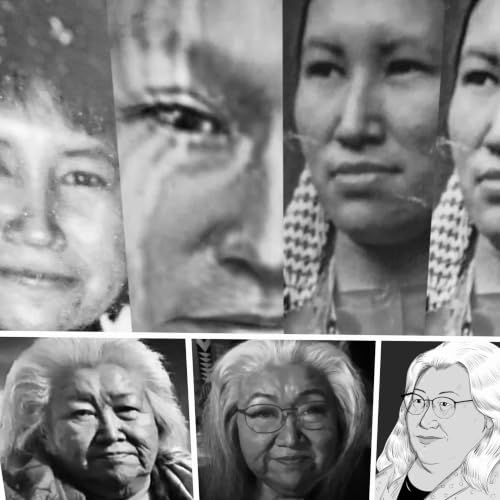
Governments used policy to influence family structures, identity, and gender roles
カートのアイテムが多すぎます
カートに追加できませんでした。
ウィッシュリストに追加できませんでした。
ほしい物リストの削除に失敗しました。
ポッドキャストのフォローに失敗しました
ポッドキャストのフォロー解除に失敗しました

Governments used policy to influence family structures, identity, and gender roles
-
ナレーター:
-
著者:
The conversation delves into the complex and interconnected themes of human sexuality, gender dynamics, and power structures within indigenous communities, drawing parallels to the historical context of Nazi Germany. It explores the impact of Indian residential schools, the treatment of indigenous women, and the influence of leadership on sexual norms and practices. Marina Crane discusses the impact of Indian residential schools, the trauma experienced by survivors, and the ongoing struggle for recognition and justice. She also addresses the complexities of indigenous identity, the legacy of human trafficking, and the importance of healthy human sexuality. The conversation delves into the psychological and social repercussions of historical trauma and the need for truth and reconciliation.
Takeaways
- Sexuality and gender dynamics are deeply intertwined with power structures and historical trauma within indigenous communities.
- The parallels drawn between the treatment of indigenous women and the historical context of Nazi Germany shed light on the complexities of human sexuality and the impact of leadership on sexual norms. Indian residential schools had a profound and lasting impact on survivors and their descendants
- The struggle for recognition, justice, and reconciliation continues for indigenous communities
Chapters
- 00:00 Exploring Sexuality and Indigenous Communities
- 03:02 The Impact of Indian Residential Schools
- 04:17 The Treatment of Indigenous Women and Gender Dynamics
- 08:08 The Influence of Leadership on Sexual Norms and Practices
- 13:16 Healthy Human Sexuality and Gender Roles
- 20:13 The Liebensborn Program and Indigenous Women
- 26:31 Nathan Chasinghorse and Gender Dynamics
- 01:00:29 Topsy-Turvy Nightmare World