

Episode 5 | Surah Al-Fatiha (1:5) - The Principle of Exclusive Worship and Seeking Help: Iyyaka Na'budu wa Iyyaka Nasta'in with Qara'ati
カートのアイテムが多すぎます
カートに追加できませんでした。
ウィッシュリストに追加できませんでした。
ほしい物リストの削除に失敗しました。
ポッドキャストのフォローに失敗しました
ポッドキャストのフォロー解除に失敗しました

Episode 5 | Surah Al-Fatiha (1:5) - The Principle of Exclusive Worship and Seeking Help: Iyyaka Na'budu wa Iyyaka Nasta'in with Qara'ati
-
ナレーター:
-
著者:
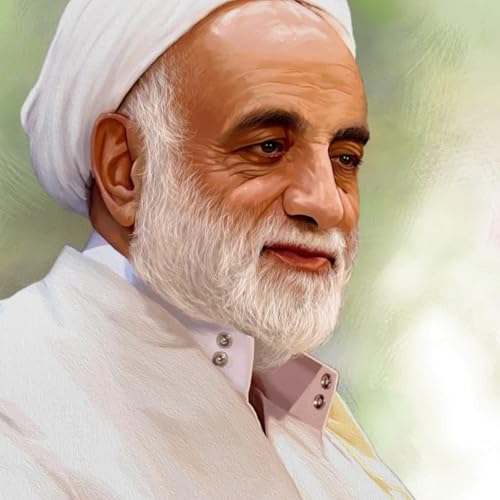
In this episode, Ayatollah Mohsen Qara'ati explores the profound implications of Surah Al-Fatiha, verse 5: إِيَّاكَ نَعْبُدُ وَإِيَّاكَ نَسْتَعِينُ (You alone we worship, and You alone we ask for help). He elucidates that intellectual reasoning necessitates worshipping God, as humans inherently seek perfection and growth, attributes perfectly embodied by the Divine. The commentary emphasizes that humanity possesses an innate inclination towards worship and love, which must be correctly guided towards God, the ultimate source of all perfection and nurturing.
Ayatollah Qara'ati draws comparisons between human devotion to worldly figures and the exclusive devotion owed to God, highlighting the transient nature of all but the Divine. He uses vivid examples, such as the fragility of a fly's existence and the inevitable oblivion of human legacies, to underscore why only the Ever-Living God deserves our complete servitude and reliance. The episode delves into how saying إِيَّاكَ نَعْبُدُ signifies exclusive worship, discarding servitude to desires, power, wealth, or hypocrisy. It also explains the emphasis on "we worship" (نَعْبُدُ) rather than "I worship," signifying the communal aspect of prayer and the importance of congregational worship in Islam. Furthermore, the commentary presents worship as a prelude to seeking divine help, affirming that while humans possess free will, their success in worship ultimately depends on God's assistance. This episode eloquently articulates the essence of pure monotheism and the path to sincere devotion.