

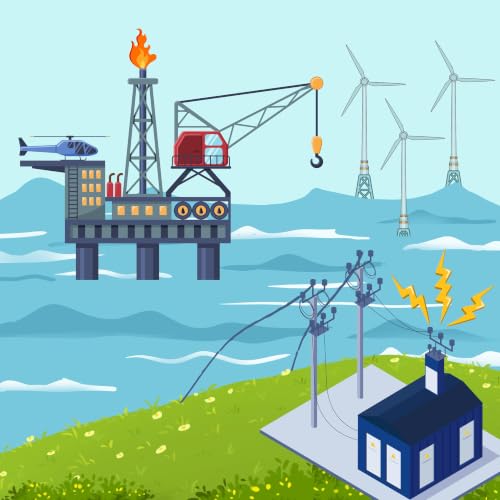
Electrifying offshore: what is slowing rig electrification?
カートのアイテムが多すぎます
カートに追加できませんでした。
ウィッシュリストに追加できませんでした。
ほしい物リストの削除に失敗しました。
ポッドキャストのフォローに失敗しました
ポッドキャストのフォロー解除に失敗しました

Electrifying offshore: what is slowing rig electrification?
-
ナレーター:
-
著者:
Offshore oil and gas electrification has proven benefits including lower operational costs and emissions reductions. However, global uptake has remained low and, outside of Norway, most platforms still rely on fossil power.
Potential decarbonisation wins have been overshadowed by rising infrastructure costs and long connectivity timelines, but the burgeoning offshore renewables sector could bolster the oil and gas industry’s economic incentive to electrify.
Unpacking why upstream electrification has stalled are four expert guests: Dr Maurizio Bragagni, chairman and CEO of cable manufacturer Tratos, Said Addi, previously the global lead of crude and fuel oil trading at E3 Energy Group, Thomas Manuel Ortiz, former senior technical advisor for energy issues at Texas General Land Office, and Mo Razzaq, oil and gas analyst at GlobalData.
Eve Thomas, editor of Offshore Technology, is the host and producer of this episode.
Find more news and strategic insights into all things energy on Power Technology, Offshore Technology and Mining Technology, all free to access. For quick daily updates, make sure to subscribe to our newsletters.
(00:00) Intro
(01:19) Why most rigs are fossil powered
(03:18) Assessing electrification economics
(04:24) Grid connection constraints
(04:58) Advantages of offshore electrification
(05:53) Do emissions affect barrel price?
(06:50) Decarbonisation is not a fix-all
(09:19) Why Norway leads
(10:47) Offshore wind for power
(12:10) Renewables could improve investment value
(13:36) What is needed to support electrification