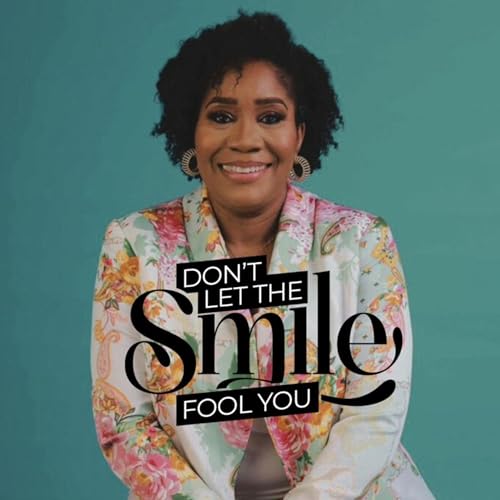
『Don't Let The Smile Fool You』のカバーアート

Don't Let The Smile Fool You

Don't Let The Smile Fool You

著者: Uche Ofodile
無料で聴く

Behind every confident leader is a story you don’t see. Don’t Let the Smile Fool You with Uche Ofodile goes beyond titles and polished moments to unpack the real emotions, decisions, and lessons that come with leadership.Uche Ofodile 出世 就職活動 経済学
エピソード
  • They Called Me Aggressive. So I Went Silent.
    2026/05/19

    Have you ever gone quiet in a meeting because of a single passing comment? Maybe it wasn’t even meant as criticism. Words like “you’re too loud,” “she’s too aggressive,” or “he’s too quiet” can stick longer than intended and slowly start shaping how we show up. These aren’t always said with bad intentions. Sometimes they're simple observations that turn into labels, slowly chipping away at our confidence without anyone really noticing.In this episode of Don’t Let The Smile Fool You, I reflect on the unintentioned effects of repeated descriptions and labels at work. I share how throwaway comments—even without negative intent—can shape, shrink, or silence us in our careers. I walk through personal stories of being called “too direct” or “too emotional” and how those labels turned from feedback into cages. We dig into the difference between healthy self-awareness and the damaging self-consciousness that sneaks in when we internalize what others say about us.If you find yourself holding back in meetings, second-guessing your tone, or shrinking to fit other people’s perceptions, this episode is for you. It’s time to unshrink yourself, to refine without losing your voice, and to pay attention to both the comments you receive—and the careless ones you give.Key themes in this episode: leadership, unintentions, labels at work, shrinking in the workplace, self-awareness vs self-consciousness, feedback, and reclaiming your authentic presence.Chapters:00:00 Introduction: The power of small comments00:35 Unintentions: When comments linger longer than intended02:11 How words shape leadership and self-perception04:42 Shrinking after labels and repeated descriptions06:51 The difference between self-awareness and self-consciousness08:37 The story that turned into folklore—and going mute for a year09:44 Silence as self-protection12:45 When shrinking goes unnoticed: The real cost of unintended labels13:21 Leadership, growth, and voice: What’s worth keeping15:04 Accumulation, stories, and building your own cage16:48 Final thoughts: Pay attention to unintentions and unsilence yourselfIf you’ve ever found yourself adjusting, editing, or even disappearing a bit at work just to avoid a label—know that you’re not alone and you can reclaim your place. Leadership asks for growth, not disappearance.Listen and join the conversation about unintentions, words, and finding your voice.Companion ResourceAre You Calibrating or Shrinking? — A recognition tool from this episode. Ten paired statements: calibrating on one side, shrinking on the other. Plus a section for people who may be shaping someone’s signal without realising it. smile-collective.kit.com/e5a38e0dd8Connect with Uche Ofodile:Linkedin: https://www.linkedin.com/in/ucheofodileTikTok: https://www.tiktok.com/@uche_ofodileInstagram: https://www.instagram.com/ucheofodile/Facebook: https://www.facebook.com/ucheofodileofficial/

    続きを読む 一部表示
    18 分
  • You're Not Bad With Money. You're Built to Protect It | Why Women Delay Financial Decisions with Lisa Aladekomo
    2026/05/05

    Most conversations about money focus on tactics. This one focuses on the beliefs that stop high-earning women from building wealth.

    In this episode, Uche sits down with Lisa Aladekomo — entrepreneur, CFO, and someone she has known for thirty years — for a frank conversation about why women save but hesitate to invest, what it actually costs to delay financial decisions, and a practical system for starting where you are.

    They cover:

    Why women internalise caution while men externalise ambition — and what to do about it

    The Three Thirds Rule — a simple framework for dividing income before you spend any of it

    The emotional economy — the invisible costs that belong in the financial plan, not outside it

    Why your partner's financial habits matter more than most people admit

    The one behaviour that will shift your financial future — and why most people skip it

    This conversation is for women who have capacity and haven't yet built the habit. If you are the primary earner — the person everyone else relies on — the same principles apply, but your starting point is different. Build the floor before you build the portfolio.

    Download the companion resource: You're Not Bad With Money. You're Built to Protect It | Why Women Delay Financial Decisions — The Money Framework

    [https://smile-collective.kit.com/64772e9dae — English and French versions available]


    Connect with Uche Ofodile:

    Linkedin: https://www.linkedin.com/in/ucheofodile

    TikTok: https://www.tiktok.com/@uche_ofodile

    Instagram: https://www.instagram.com/ucheofodile/

    Facebook: https://www.facebook.com/ucheofodileofficial/

    続きを読む 一部表示
    20 分
  • When Great Work Stops Being Enough.
    2026/04/21

    Ever walked out of a meeting sure you just nailed it, only to watch as someone else quietly moves ahead while you’re left trying to make sense of what happened? I’ve been there, and today I want to share what really goes on behind the scenes when good work isn’t enough.


    In this episode of Don’t Let the Smile Fool You, I dig into those moments when you feel like you’re doing everything right, but opportunities and influence keep slipping through your fingers. It’s not always about performance. Sometimes, it’s about a whole other conversation that happens in the informal system—those hallway chats, coffees, conference dinners and even the group texts you’re not added to.


    We talk about what it really means to be “in the conversation,” why just putting your head down and proving yourself isn’t the only game in town, and why relationship-building (yes, even if you hate small talk) is a necessary part of the journey at senior levels. There’s nothing accidental about influence, and I’ll lay out the three clear roads you can take: go wide and work the room, go deep and build with intention, or stay out and protect your peace—just be sure you’re making a conscious choice about your path.


    If you’ve ever wondered why you’re not in the know, why your work isn’t being talked about when you’re not in the room, or why you feel invisible even from your seat at the table, this one is for you.


    Here are the chapters for this episode:


    00:00 Light bulb moment after a big meeting

    01:18 The role of informal systems and connections

    02:57 Signs you’re outside the real conversation

    04:41 Relationship capital at senior levels

    05:30 The three types of people at conferences and dinners

    06:19 Understanding why informal politics matter

    07:09 The cost of managing perceptions

    08:47 The myth about work being enough and its reality

    09:47 Building influence by presence and relationships

    10:27 Choosing your road: Go wide, go deep, or choose peace

    13:08 The cost and rewards of each approach

    15:34 Making an intentional choice about your path


    If you’re ready to stop leaving your career moves to chance and want to learn how to shift with intention, let’s get into it. No unicorns here, just the honest truth about what it takes to move from being a great performer to someone whose name carries weight when they’re not in the room.


    Don’t let the smile fool you—good work matters, but strategy, connections, and clear choices matter even more.

    続きを読む 一部表示
    16 分
adbl_web_anon_alc_button_suppression_c
まだレビューはありません