Cecile Lipworth reflects on how art, intuition, and human connection turn shared experiences into lasting action.
A conversation at a Christmas Eve dinner changed Cecile Lipworth’s life. An offer to help produce The Vagina Monologues at Madison Square Garden became an invitation into years of activism. She trusted her instincts, stepped through the door, and discovered how far one connection could travel.
On this episode of Doing Good, Lipworth explores the relationship between creativity, courage, and collective action. Her work with V-Day, the movement to end violence against women and girls, showed her that a performance could become more than an evening at the theater.
Community productions raised money for local organizations. Audiences laughed, confronted realities, and began conversations they had avoided for generations. Lipworth remembers hearing from families whose mothers or grandmothers disclosed experiences of abuse after seeing the play together. Being in the same room mattered.
So did joy. Even while confronting violence, she and her colleagues made space for humor, celebration, and women’s connection to their bodies. That energy helped sustain difficult work and invited people into action.
One Billion Rising brought those ideas into the streets through dance. Organizing in Santa Fe also deepened Lipworth’s relationships with local activists and community leaders, helping redirect her global experience toward the place she called home.
That spirit carries into the feminist fiesta she describes planning to honor New Mexico’s women. Through poetry, conversation, art, and intergenerational exchange, she hopes to celebrate accomplishments while giving participants concrete ways to get involved. Older and younger women, she suggests, can build something together by sharing wisdom and listening to one another.
Throughout the conversation, Lipworth returns to intuition, collaboration, and trust. The work itself energizes her, especially when people gather around a shared purpose.
For her, inspiration carries a responsibility: leave the room ready to do something. That is how the next ripple spreads.
For more information, or to tell the story of someone you know who's doing good, go to doinggood.fm


 51 分
51 分 47 分
47 分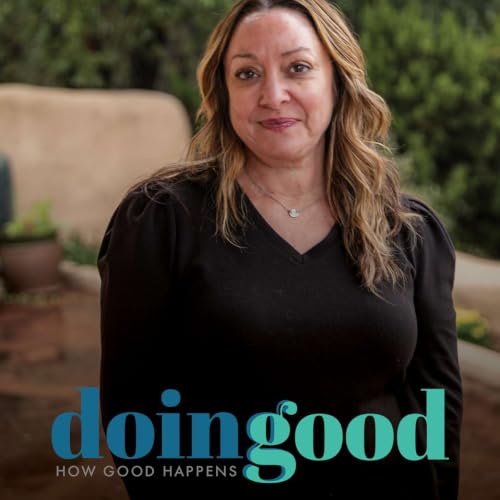 2026/09/2544 分
 2026/09/2548 分
 48 分
48 分