• Bonus Episode: Navigating Addiction: A Mother-Daughter Journey (Brooke Interview)
    2026/04/29

    Summary

    In this episode of the Do What You Can Live With podcast, host Brandi Mac and her daughter Brooke discuss their journey through addiction and recovery. They explore the challenges of aftercare, the importance of support systems, and the personal struggles they faced during recovery. The conversation delves into family dynamics, healing, and the growth they have experienced together. They emphasize the need for accountability and the importance of looking inward to foster better relationships. The episode concludes with reflections on their journey and the hope for future conversations.

    Takeaways

    Brooke has been in recovery for over two years.
    The lack of aftercare support is a significant issue.
    Community support is essential for recovery.
    Personal struggles can complicate the recovery process.
    Family dynamics play a crucial role in healing.
    Healing takes time and effort from all parties involved.
    Accountability is important in recovery and relationships.
    Looking inward can help improve communication.
    It's possible to rebuild relationships after addiction.
    Gratitude for progress is essential in the recovery journey.

    Chapters

    00:00 Introduction and Recovery Journey
    05:58 Personal Struggles and Relationships
    12:06 Reflections on Growth and Accountability

    Contact Brandi: brandi@brandimac.com

    Social Media: the_original_brandi_mac

    Subscribe to Brandi's Substack: Prescribed Chaos

    Purchase Brandi's Book " Do What You Can Live With: A Survivial Guide for Navigating Addiction, Grief and Impossible Choices Here

    続きを読む 一部表示
    15 分
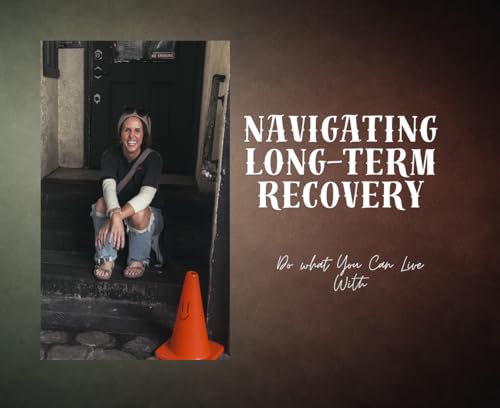
  • Navigating Long-term Recovery: A Mom's Journey
    2026/04/26

    Summary

    In this episode, Brandi Mac discusses the complexities of long-term recovery from addiction, focusing on the challenges faced by families and loved ones. She shares her personal experiences and insights on the lack of resources, the impact of societal expectations, and the importance of support systems. Brandi emphasizes the need for comprehensive aftercare programs and critiques current rehabilitation practices, advocating for harm reduction as a viable approach to addiction treatment. The conversation highlights the struggles of young adults in recovery and the systemic issues that hinder progress, ultimately calling for a more compassionate and informed approach to addiction and recovery.

    Takeaways

    Long-term recovery is challenging and often lacks support.
    Families need to navigate their own feelings while supporting loved ones.
    'Shit Life Syndrome' can hinder recovery progress.
    Barriers such as lack of resources and societal expectations impact recovery.
    Family dynamics play a crucial role in the recovery process.
    Comprehensive aftercare programs are essential for successful recovery.
    Young adults face unique challenges in the current economy.
    Support systems are vital for maintaining recovery.
    Current rehabilitation practices often fail to address real-life challenges.
    Harm reduction strategies can save lives and promote recovery.

    Chapters

    00:00 Introduction to Long-Term Recovery Challenges
    06:08 Understanding 'Shit Life Syndrome' and Its Impact
    11:58 The Role of Family Dynamics in Recovery
    18:03 The Struggles of Young Adults in Recovery
    24:00 Critique of Current Rehabilitation Practices
    29:58 Government Policies and Their Impact on Recovery
    35:53 Conclusion and Call to Action

    Sh*t Life Syndrome Video by HealthyGamerGG on YT: Here

    Email: brandi@brandimac.com

    Purchase "Do What You Can Live: A Survival Guide for Families Navigating Addiction, Grief and Impossible Choices" on Amazon

    Social Media: the_original_brandi_mac

    Website: Brandimac.com

    続きを読む 一部表示
    33 分
  • Why I Don't Want a Seat at the Recovery Table
    2026/04/25

    In this episode of the Do What You Can Live With podcast, Brandi Mac shares her personal health struggles, the importance of real human connections, and her experiences in the recovery space. She discusses the ethical responsibilities of advocates, the challenges within the treatment industry, and her reluctance to charge families for help. Brandi emphasizes the need for genuine support and the complexities of navigating the advocacy landscape while remaining true to oneself.

    Takeaways

    • Brandi has been dealing with health issues
    • Burnout is a significant concern for those in advocacy work.
    • Real human connections are vital for mental health and support.
    • Brandi emphasizes the importance of protecting her mental health.
    • She has been cautious about connecting deeply with others in the recovery space.
    • The treatment industry often prioritizes profit over patient care.
    • Brandi is jaded about the rehab industry due to personal experiences.
    • She believes in the ethical responsibility of advocates to prioritize families.
    • Brandi struggles with the idea of charging families for help.
    • She aims to create a supportive community for those affected by addiction.

    Chapters

    00:00 Brandi's Health Journey and Burnout
    05:54 Navigating the Recovery Space
    12:01 The Ethical Responsibility in Advocacy
    17:52 Challenges in the Treatment Industry
    30:04 The Dilemma of Charging for Help
    38:54 Final Thoughts and Moving Forward

    Website: brandimac.com

    Email:brandi@brandimac.com

    Do What You Can Live With Book is available on Amazon

    続きを読む 一部表示
    27 分
  • The Drug Supply Is Changing: Nitazines, Medetomidine, Meth & Why "Rock Bottom" Is Deadly
    2026/02/20

    Overdoses are declining in the United States.

    That is worth celebrating.

    But what most families do not realize is this: the drug supply is changing fast. And in many ways, it is becoming more unpredictable and more dangerous.

    In this episode of Do What You Can Live With, Brandi Mac breaks down what is happening behind the headlines:

    • Why fentanyl purity is dropping and what that actually means
    • The rise of medetomidine and why Narcan does not reverse it
    • Nitazines, synthetic opioids that are far more potent than fentanyl
    • The methamphetamine surge and what makes today's supply different
    • Why prohibition history matters
    • What "safe supply" really means and why it is being debated
    • Why rock bottom in 2026 can mean death
    • How families can stay connected without shame

    Drawing from her experience as a critical care nurse practitioner and as a mother of a daughter in recovery, Brandi explains why old advice like "they have to hit bottom" is increasingly dangerous in today's unregulated drug market.

    This is not about politics.

    This is about survival.

    If you love someone in active addiction, this episode will help you understand:

    1. Why the drug your loved one used last week may not be the same this week

    2. Why Narcan still matters, even with tranquilizers in the supply

    3. Why connection is not enabling

    4. Why you have to decide what you can live with

    Addiction is not disappearing.

    The supply will keep shifting.

    The question is how you will show up.

    If this episode resonates, please follow, leave a review, and share it with someone who needs it. Families deserve information without shame.

    Follow Brandi on social media: the_original_brandi_mac

    Email: brandi@brandimac.com

    Website: http://www.brandimac.com

    Purchase Brandi's book "Do What You Can Live With: A Survival Guide for Families Navigating Addiction, Grief and Impossible Choices" on Amazon

    続きを読む 一部表示
    43 分
  • Alcohol Is a Drug: How Big Alcohol Shaped Addiction Language, Policy, and Shame-Bonus Episode
    2026/02/10

    Alcohol is the most normalized drug in America and one of the deadliest.

    In this episode of the Do What You Can Live With Podcast, critical care nurse practitioner and author Brandi Mac exposes how the trillion-dollar alcohol industry shaped the language we use around addiction, influenced federal policy, and helped keep alcohol socially acceptable while millions of families quietly suffer.

    Alcohol kills an average of 178,000 Americans every year, more than all drug overdoses combined. Yet it remains legal, advertised, and culturally protected. That did not happen by accident.

    In this episode, Brandi breaks down how corporate lobbying influenced federal agencies like the Center for Substance Abuse Prevention, why alcohol was intentionally separated from the word "drug," and how terms like substance abuse were shaped by profit, not families, clinicians, or people in recovery.

    Backed by peer-reviewed research and decades of frontline ICU experience, this episode connects the dots between policy, stigma, and the invisible grief of loving someone with alcohol use disorder.

    In this episode, we cover:
    • Why alcohol is classified as a Group 1 carcinogen by the World Health Organization

    • How alcohol kills more people than fentanyl, heroin, meth, and cocaine combined

    • The role of corporate lobbying in changing federal addiction language

    • Why alcohol harm receives a fraction of the funding compared to other diseases

    • How the separation of "alcohol and drugs" shaped stigma and shame

    • Why families affected by alcoholism are often dismissed and minimized

    • What boundaries, love, and clarity look like when the system fails you

    Brandi also explores how lobbying dollars dwarfed public health funding, how Big alcohol companies profit off the sickest drinkers, and why harm reduction has worked for drug overdoses but remains taboo when applied to alcohol.

    This episode is for parents, partners, siblings, clinicians, and anyone who has been told "it's just alcohol" while watching someone they love disappear.

    Because your pain was not imagined.
    Your crisis was not invisible by accident.
    And you are not wrong for taking it seriously.

    📘 Learn more at brandimac.com
    📖 Author of Do What You Can Live With

    続きを読む 一部表示
    24 分
  • Mom Loses Daughter to Cocaine Overdose, Not Fentanyl | Melissa Ledesma
    2026/02/09

    What does "rock bottom" really mean when you love a child in active addiction?

    In this episode of the Do What You Can Live With podcast, I sit down with Melissa Ledesma, a mother who lost her daughter, Angel, to a cocaine overdose in 2023. Not fentanyl. Not opioids. Cocaine.

    Melissa shares the truth about grief that lingers years later, the shock of reading an autopsy report that did not match public assumptions, and what it actually looks like to love a child through addiction without abandoning them to shame or isolation.

    We talk about stimulant overdoses, harm reduction, sibling dynamics, trauma, and the painful myth that families must step away to force change. This is an honest conversation for parents, caregivers, and anyone carrying grief that does not move on a timeline.

    Content note: This episode discusses overdose, child loss, and grief.

    In this episode:

    • What "rock bottom" really looks like for families

    • Cocaine and stimulant overdoses without opioids

    • Why Narcan does not reverse stimulant overdoses

    • Harm reduction, MAT, and what Melissa wishes she knew sooner

    • Loving your child without losing yourself

    Resources & Links:

    • Melissa on TikTok: @the.real.melissa

    • Melissa on Facebook: Melissa Ledesma

    • Do What You Can Live With by Brandi Mac (Amazon)

    • Family resources and support: brandimac.com

    If this episode resonated, consider subscribing and leaving a review. It helps other families find conversations like this when they need them most.

    続きを読む 一部表示
    1 時間 7 分
  • Steffy Bailey: Loving Her Son Through Addiction and Into Recovery
    2026/01/08

    What does it actually take to love your child through active
    addiction without losing yourself? Steffy Bailey has been doing
    this work for a decade. At the time of this conversation, her son
    Nehemiah was approaching six months sober. This conversation goes
    past surface-level hope into what fractured marriages, strained
    sibling dynamics, protecting grandchildren, and breaking
    generational cycles really look like.

    In this episode:
    - Why "boundaries" are not abandonment, and how to set them anyway
    - The hidden cost of carrying family pain alone in your marriage
    - How addiction shapes the kids and grandkids nobody talks about
    - Holding hope without minimizing harm

    Guest: Steffy Bailey is a mom and content creator, and one of the
    most honest voices on social media about loving a child with
    substance use disorder. Find her on TikTok at @steffy_u_r_not_alone.

    Follow the show so you don't miss the next one. Leave a review if
    it hit. And if you know a parent who needs to feel less alone,
    send it to her.

    Brandi is the author of "Do What You Can Live With." More at
    brandimac.com.

    続きを読む 一部表示
    1 時間 32 分
  • Radical Acceptance and My Daughter's Addiction
    2025/11/20

    In this episode, I talk about the moment I finally let go of trying to control my daughter's addiction and what radical acceptance looked like in real life. I share how fear was running my parenting, how close I came to losing myself completely, and how surrendering shifted our entire relationship.

    I also share a story from yesterday that still feels unreal: taking my daughter — almost two years in recovery — and her children to the Magic Kingdom. Watching her run around with her son, sober and present, reminded me why letting go mattered more than forcing my plans onto her.

    If you are drowning right now, scared of losing your child, or feel like you can't survive another day of chaos, this episode is for you.

    What we talk about:
    • Parenting from fear vs clarity

    • The breaking point that forced me to surrender

    • What radical acceptance actually looks like

    • Why bringing up rehab every day made things worse

    • How I stopped reacting and started listening

    • Letting go of the fantasy timeline of recovery

    • Why self-abandonment is so common in parents

    • How I rebuilt trust with my daughter

    • A real exercise you can do tonight to start shifting your own patterns

    Resources mentioned:

    My book: Do What You Can Live With
    Amazon link: https://a.co/d/1pnyKll

    Free resources for families: brandimac.com

    Share your story or ask a question:
    Email: brandi@brandimac.com

    YouTube video of this episode:
    Here

    If this episode helped you:

    Please leave a rating or review. It helps other families find this support when they're searching in the darkest moments.

    続きを読む 一部表示
    36 分