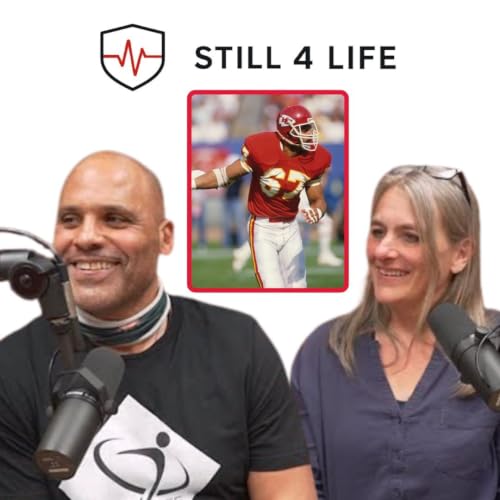
『#407 NFL and Kansas City Chiefs Star Art Still on the Missed Signs of Hereditary Amyloidosis』のカバーアート

#407 NFL and Kansas City Chiefs Star Art Still on the Missed Signs of Hereditary Amyloidosis

#407 NFL and Kansas City Chiefs Star Art Still on the Missed Signs of Hereditary Amyloidosis

無料で聴く

ポッドキャストの詳細を見る
What happens when the symptoms of a genetic condition look like the lasting effects of a professional football career? Former NFL defensive end and Kansas City Chiefs star Art Still spent decades attributing carpal tunnel syndrome, trigger finger, back problems, joint and tendon injuries, neuropathy, and other health concerns to football, aging, and ordinary wear and tear. Even when he developed atrial fibrillation, Art’s lifelong discipline and athlete mentality made him believe he could manage his health on his own. Art and his wife, Liz Still, join host Kira Dineen to share how those seemingly disconnected symptoms were eventually traced to hereditary transthyretin amyloidosis, also known as hereditary ATTR or hATTR amyloidosis. During evaluations through the NFL Player Care Foundation wellness program, Art’s healthcare providers looked beyond his individual symptoms and asked about his family health history. That conversation revealed a striking pattern: relatives with serious cardiac, neurologic, and mobility-related conditions, including Art’s older brother, who received a heart transplant, and his nephew, who lived with sickle cell disease and had previously tested positive for the same TTR variant. Genetic testing confirmed that Art carries the V122I variant, also called p.Val142Ile or V142I, in the TTR gene. This variant is found in approximately 3–4% of Black Americans, or about 1 in 25, although carrying it does not necessarily mean someone will develop amyloidosis. For Art and Liz, the diagnosis provided answers, but it also raised questions for their 11 children, 28th grandchild on the way, and extended family. They discuss navigating family conversations about inherited health risks, the value of genetic testing, Art’s evolving trust in healthcare, and why following a treatment plan matters. Through their nonprofit, Still 4 Life, Art and Liz now offer free community presentations focused on awareness, earlier detection, family health history, and self-advocacy. Their goal is to make complicated medical information easier to understand and reach people who may otherwise dismiss their symptoms or hesitate to seek care. Episode Discussion Topics How Art’s “no pain, no gain” athlete mentality shaped his response to symptomsWhy professional athletes may normalize pain and avoid disclosing injuriesThe symptoms Art initially attributed to football, including carpal tunnel syndrome, trigger finger, back problems, neuropathy, joint and tendon injuries, and a torn bicepsWhy a torn biceps can be a potential warning sign of transthyretin amyloidosisLiz’s early belief that Art’s symptoms were natural consequences of his football careerWhen Art’s cardiac symptoms caused Liz to realize something else might be happeningArt’s history of atrial fibrillation and his initial resistance to medicationHis evaluations through the NFL Player Care Foundation wellness programThe family health history questions that helped connect Art’s seemingly unrelated symptomsHis brother’s heart transplantHis nephew’s sickle cell disease, amyloidosis, and earlier genetic test resultWhy Art’s nephew was originally evaluated for Marfan syndrome How genetic testing identified Art’s V122I TTR variantThe relief of finally understanding the cause of Art’s health problemsHow the diagnosis changed conversations with their 11 children and extended familyWhy family health history may be one of the most valuable legacies a family can preserveThe difference between carrying a genetic variant and developing symptomsWhy ancestry can help identify risk but should not be used to exclude someone from considerationArt’s mistrust of the medical and pharmaceutical industries, and how his perspective evolvedWhat happened when Art reduced and stopped his heart medication without medical guidanceWhy finding a healthcare team that explains the purpose of treatment is so importantHow Liz advocated for Art when she realized he was not following his prescribed treatment planThe importance of asking questions and making healthcare decisions with qualified cliniciansHow Art uses humor and personal storytelling to make medical information approachableWhy Art and Liz founded Still 4 LifeMeeting people where they are through free community educationEncouraging families to discuss their health history and advocate for one anotherTurning a hereditary diagnosis into a game plan for a healthier community About Hereditary ATTR Amyloidosis Hereditary transthyretin amyloidosis is caused by a disease-associated variant in the TTR gene. The variant makes the transthyretin protein more likely to misfold and accumulate as amyloid deposits in organs and tissues. Depending on the individual and the specific variant, hereditary ATTR amyloidosis can affect the heart, peripheral nerves, autonomic nervous system, digestive system, kidneys, and other parts of the body. Possible warning signs can include cardiomyopathy, heart failure, ...
adbl_web_anon_alc_button_suppression_t1
まだレビューはありません