

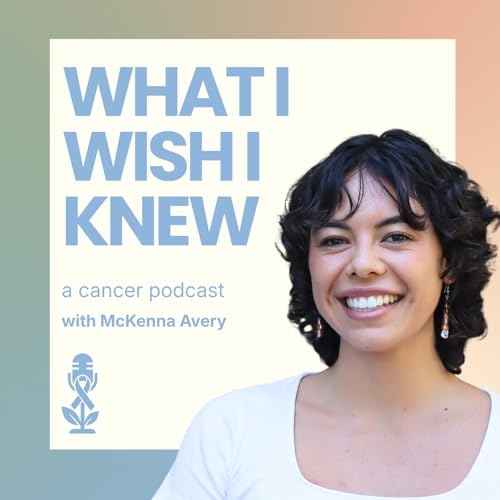
Why Young Adults Feel So Alone After Diagnosis
カートのアイテムが多すぎます
カートに追加できませんでした。
ウィッシュリストに追加できませんでした。
ほしい物リストの削除に失敗しました。
ポッドキャストのフォローに失敗しました
ポッドキャストのフォロー解除に失敗しました

Why Young Adults Feel So Alone After Diagnosis
-
ナレーター:
-
著者:
概要
In this conversation, Alison Silberman shares why young adults feel so alone after diagnosis and how community can make that experience feel less isolating. As CEO of Stupid Cancer, she reflects on the unique challenges adolescents and young adults face, from delayed diagnosis and survivorship to caregiving, identity, and the need for spaces where people can be honest about what they’re going through. This episode is for people navigating cancer, survivors, caregivers, and anyone looking for a more human conversation around support, connection, and lived experience.
- Why young adults are often dismissed or diagnosed later
- How Stupid Cancer and CancerCon create community for patients, survivors, and caregivers
- Why storytelling, peer connection, and being understood matter so much
- How self-advocacy can shape conversations around side effects, finances, and survivorship
- What caregivers can do to show up in practical, specific ways
- Why the identity side of diagnosis and survivorship looks different for everyone
Chapters
00:00:34 Intro: After Diagnosis, Then What?
01:20 Why “Stupid Cancer” Fits
03:01 Why Young Adults Get Missed
07:57 Finding People Who Get It
16:07 Disparities, Bias, and Safe Care
22:17 Self-Advocacy and Support Gaps
35:19 Caregiving Through a Brother’s Diagnosis
52:59 You Are Not Alone
In this episode you’ll learn…
- why the young adult diagnosis experience can feel so different
- how community spaces can help people feel seen and supported
- what caregivers can ask when they want to help but do not know how
- where communication gaps can show up between providers and patients
Like, comment, subscribe, and share your perspective below.
Follow us on Instagram @whatiwishiknewcancer
Listen/Watch: Watch the full episode and listen on your preferred podcast platform.
This podcast is for informational purposes only and does not constitute medical advice. Always consult your physician or qualified healthcare provider regarding any medical questions or treatment decisions.