『When the World Turned to Color: The Inside Story of The Beatles on Ed Sullivan』のカバーアート

When the World Turned to Color: The Inside Story of The Beatles on Ed Sullivan

When the World Turned to Color: The Inside Story of The Beatles on Ed Sullivan

無料で聴く

ポッドキャストの詳細を見る

概要

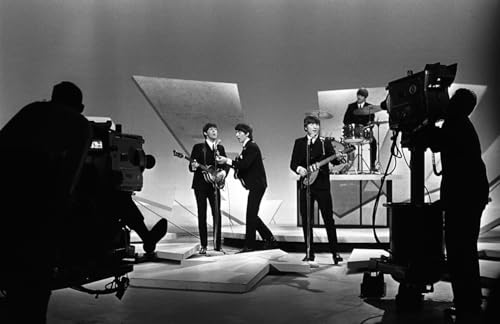
There are moments in history that act as permanent markers of "Before" and "After." The printing press. The atomic bomb. The moon landing. On a cold Sunday night in February 1964, four young men from Liverpool joined that list. In just 12 minutes and 40 seconds of television, they didn't just play songs; they redrew the cultural map of the Western world. But the path to that stage wasn't a victory lap—it was a frantic scramble of rainstorms, fever dreams, and strategic gambles, all set against the backdrop of a grieving nation desperately searching for a reason to smile again.October 31, 1963: The Heathrow EpiphanyWhile returning from a European scouting trip, American TV host Ed Sullivan and his wife Sylvia were trapped in a massive traffic jam at London Airport (now called Heathrow). Sullivan, a former sports columnist who’d built his Sunday night variety show into America’s most-watched program, was bewildered by thousands of screaming teenagers braving a rainstorm just to catch a glimpse of a band returning from Sweden. The phenomenon was unlike anything he’d witnessed—and Sullivan had seen Frank Sinatra and Elvis Presley at their peaks.The Quote: Sullivan turned to an airport worker and asked what was happening. The reply: “It’s The Beatles.” Sullivan’s legendary response: “Who the hell are The Beatles?” The worker explained that they were the biggest thing in Britain, that they’d been playing to sold-out crowds, that teenagers were going absolutely mental for them. Sullivan, ever the showman who could smell a cultural moment, made a mental note. Within hours, he was on the phone to his producers back in New York. 📞The Deal: Weeks later, manager Brian Epstein—the polished, sophisticated impresario who’d taken four leather-clad rockers from Hamburg dive bars and molded them into suited professionals—met Sullivan at the Delmonico Hotel in New York. They struck a deal for three appearances (two live performances and one taped) at $10,000 total—an absolute bargain price that Epstein accepted on one crucial condition: the band must receive top billing. Sullivan initially balked. His show featured multiple acts, and headliners were typically established American stars, not unknown British kids. But Epstein held firm. The Beatles would be the main event, or there would be no deal. Sullivan, remembering those screaming fans at Heathrow, agreed. It was one of the smartest decisions he ever made. 🤝What Sullivan didn’t know was that Capitol Records, the band’s American label, had rejected them multiple times. The prevailing wisdom in the American music industry was that “British acts don’t work here.” It took pressure from EMI’s British headquarters (which owned Capitol) to force the U.S. release of “I Want to Hold Your Hand,” the song that would become their U.S. breakthrough.The Girl Who Leaked ItWhile Capitol dragged its feet on “I Want to Hold Your Hand,” one 15-year-old girl refused to wait. In December 1963, Marsha Albert was stuck at home, bored and desperate for something new. After seeing a brief clip of the band on the news, she launched a one-person letter campaign to local disc jockeys, including Carroll James at WWDC in Washington, D.C. James was intrigued enough to have his girlfriend—a flight attendant for BOAC—smuggle a copy of the single back from London. On December 17, 1963, he played it, marking the first time a Beatles song was broadcast on American radio. The phone lines instantly exploded. Capitol Records was livid that their meticulously planned January launch was being "ruined," and threatened to sue the station for airing the song. Eventually, Capitol caved and moved the release date up to December 26. Within three weeks, the song was #1. From her bedroom, Marsha Albert had triggered a cultural avalanche. 📻💥 📻💥February 7, 1964: The British Are ComingPan Am Flight 101 touched down at JFK at 1:20 p.m. on a freezing Friday afternoon. Over 3,000 fans breached the tarmac, creating a wall of sound that nearly drowned out the jet engines. The kids had skipped school, lied to their parents, hitchhiked from neighboring states—whatever it took to be there when the Beatles arrived. WMCA had been hyping the arrival for days, playing “I Want to Hold Your Hand” hourly with updates on the Beatles’ journey across the Atlantic, creating a fever pitch of anticipation. 🛬When the plane landed and the Beatles emerged, they were stunned at all the commotion. They assumed the crowd must be for someone else—maybe a dignitary or a movie star. John Lennon later said they genuinely thought the fans were there to see the Prime Minister or President Johnson. When they realized the screaming was for them, the band members looked at each other in disbelief. America had been the impossible dream, the market where British acts came to die. And here were thousands of American teenagers losing their minds.At their first American ...
まだレビューはありません