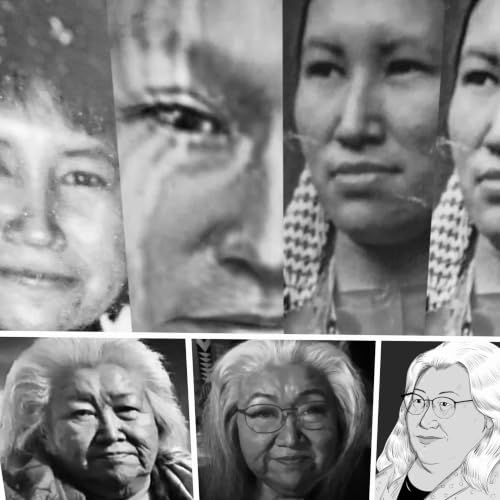
The conversation covers a wide range of topics, including personal experiences, mental health, spirituality, indigenous issues, and political matters. Marina shares insights on respect, self-worth, and the impact of colonization on indigenous communities. She also discusses discrimination, government policies, and the psychological aspects of political support. The conversation covers a wide range of topics, including discrimination, indigenous rights, systemic oppression, and the fallacy of white proximity. Marina Crane shares insights on the impact of the Indian Act, the struggle for indigenous rights, and the importance of education and understanding. She also addresses the construct of whiteness and its historical implications. Marina Crane shares her experiences with family, religion, and the impact of white supremacy on her community. She discusses the sacrifices she's made and the challenges she's faced, emphasizing the importance of self-respect and resilience.
Takeaways
- Respect for oneself is essential for mental well-being.
- Colonization has had a profound impact on indigenous communities, leading to discrimination and systemic issues.
- Political support can be influenced by psychological factors and the desire for a 'show' rather than tangible results. Indigenous rights are constitutionally protected and include provisions against discrimination based on sex, race, and ethnic origin.
- The construct of whiteness is a product of violence, theft, and systemic erasure, and it is important to challenge the fallacy of white proximity. Exchange of energy
- Impact of white supremacy
Chapters
- 00:00 Respect and Self-Worth
- 04:38 Colonization and Indigenous Issues
- 08:44 Intentional Harm and Psychological Impact
- 15:00 Decolonizing from God and Religion
- 20:41 Indigenous Health and Discrimination
- 27:45 Political Psychology and Government Policies
- 36:10 Indigenous Rights and Discrimination
- 37:39 Impact of the Indian Act and Treaty Rights
- 39:20 Systemic Oppression and Genocide
- 57:02 The Fallacy of White Proximity
- 01:08:26 Sacrifices and Self-Respect
- 01:09:23 Community and Connection
- 01:10:17 Challenges and Choices
- 01:14:19 Spiritual Practice and Support
- 01:16:15 Family and Lateral Violence
- 01:21:04 Strength and Purpose
- 01:30:44 Religious Indoctrination
- 01:35:18 Resilience and Self-Respect


 1 時間 2 分