• 🎧 𝗧𝗵𝗲 $𝟭𝟬𝟬 𝗕𝗶𝗹𝗹𝗶𝗼𝗻 𝗢𝘂𝘁-𝗼𝗳-𝗢𝗳𝗳𝗶𝗰𝗲 𝗥𝗲𝗽𝗹𝘆: What Happens When the Options Clearinghouse Quits? 📈
    2026/07/08
    🚨 What if the most important machine in American finance simply went on vacation?What happens when the institution that guarantees virtually every listed options trade decides it needs a month-long spiritual retreat in Bali? 🌴Welcome to an audio-first journey into the 𝗶𝗻𝘃𝗶𝘀𝗶𝗯𝗹𝗲 𝗽𝗹𝘂𝗺𝗯𝗶𝗻𝗴 of the modern financial system.In this episode, we bring Sam Vishwas's fictional financial thriller, "The $100 Billion Out-of-Office Reply," to life. While the story itself is fiction, every market mechanism discussed is grounded in how today's options markets actually operate.Imagine the Options Clearing Corporation (OCC) suddenly going offline moments before the opening bell on Triple Witching Friday. What would really happen?You'll discover:🔹 𝗡𝗼𝘃𝗮𝘁𝗶𝗼𝗻: How the OCC legally becomes the buyer to every seller and the seller to every buyer, eliminating counterparty risk.🔹 𝗧𝗵𝗲 𝗗𝗲𝗳𝗮𝘂𝗹𝘁 𝗪𝗮𝘁𝗲𝗿𝗳𝗮𝗹𝗹: The carefully engineered layers of financial protection that shield the market when participants fail.🔹 𝗚𝗮𝗺𝗺𝗮 𝗦𝗽𝗶𝗹𝗹𝗼𝘃𝗲𝗿: Why freezing the options market could trigger a mechanical wave of stock buying and selling by delta-neutral market makers.🔹 𝗠𝗮𝗿𝗴𝗶𝗻 𝗕𝗹𝗮𝗰𝗸𝗼𝘂𝘁𝘀: Why your brokerage account could become locked, even if your covered calls or cash-secured puts remain fully collateralized.🔹 𝗖𝗼𝗿𝗽𝗼𝗿𝗮𝘁𝗲 𝗔𝗰𝘁𝗶𝗼𝗻 𝗧𝗿𝗮𝗽𝘀: How stock splits, special dividends, mergers, and exercise-by-exception rules can create unexpected risks when market infrastructure stops working.Whether you're an institutional risk manager, an experienced options trader, or someone selling covered calls from the kitchen table, this episode reveals one of the greatest luxuries in finance.Never having to worry about who is on the other side of your trade.Until that protection disappears.🎙️ Listen now and discover why the financial system depends on infrastructure that most investors never notice.LEGAL DISCLAIMERThis episode is a fictional narrative created for educational and informational purposes only. It does not constitute financial, investment, legal, or tax advice.Investing involves risk, including the possible loss of principal. Past performance does not guarantee future results. Always conduct your own research and consult a qualified financial professional before making investment decisions.AI ASSISTANCE NOTICEThis episode was created with the assistance of artificial intelligence for research, drafting, editing, narration, and production. The final content was reviewed, edited, and approved before publication. While every reasonable effort has been made to ensure accuracy, AI-assisted content may occasionally contain errors, omissions, or outdated information. This episode is provided for educational and informational purposes only. If you believe you have identified an error, we welcome your feedback and will review it for future updates.CREDITSOriginal story, research, and market mechanics by Sam Vishwas, Founder of OTS Ullu.📖 Read the original article:https://otsullu.com/articles/the-100-billion-out-of-office-reply/COPYRIGHT© 2026 UlluRadio.AI. All Rights Reserved.#OptionsTrading #OptionsClearingCorporation #OCC #MarketStructure #FinancialPlumbing #Novation #Clearinghouse #TripleWitching #DeltaHedging #GammaExposure #GammaSpillover #MarketMakers #CounterpartyRisk #MarginCalls #ExerciseByException #CorporateActions #CoveredCalls #CashSecuredPuts #RiskManagement #InvestingEducation #FinancialMarkets #StockMarket #FinancePodcast #SamVishwas #OTSUllu
    続きを読む 一部表示
    23 分
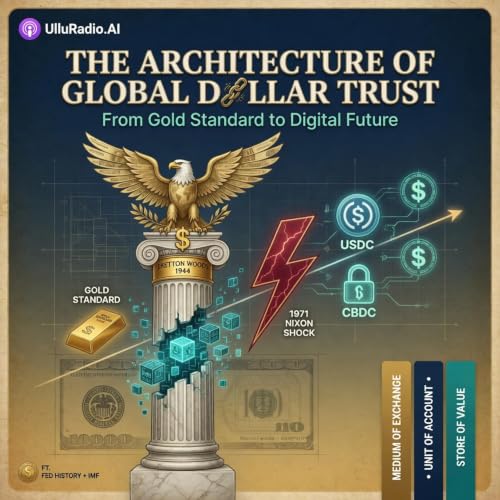
  • 🏛️ 𝗧𝗵𝗲 𝗔𝗿𝗰𝗵𝗶𝘁𝗲𝗰𝘁𝘂𝗿𝗲 𝗼𝗳 𝗚𝗹𝗼𝗯𝗮𝗹 𝗗𝗼𝗹𝗹𝗮𝗿 𝗧𝗿𝘂𝘀𝘁: 𝗙𝗿𝗼𝗺 𝗚𝗼𝗹𝗱 𝗦𝘁𝗮𝗻𝗱𝗮𝗿𝗱 𝘁𝗼 𝗗𝗶𝗴𝗶𝘁𝗮𝗹 𝗙𝘂𝘁𝘂𝗿𝗲
    2026/07/07
    How did the U.S. dollar become the world's most trusted currency, and can it maintain that position in the digital age?In this episode of UlluRadio.AI, we explore the remarkable evolution of the global monetary system, tracing the dollar's journey from the gold-backed framework of the Bretton Woods era to its modern role as the dominant global reserve currency. 🌎You'll discover:✅ How the Bretton Woods system established the post-war monetary order✅ Why the 1971 Nixon Shock transformed the dollar into a fiat currency✅ The three pillars supporting dollar dominance: medium of exchange, unit of account, and store of value✅ The critical role of U.S. Treasury markets and Federal Reserve liquidity facilities✅ How stablecoins, CBDCs, and digital assets are reshaping the future of money✅ Whether geopolitical fragmentation could challenge the dollar's global leadershipAs the financial system enters a new digital era, understanding the architecture of trust behind the U.S. dollar has never been more important.🎧 Tune in for a deep dive into monetary history, global finance, and the future of money.LEGAL DISCLAIMERThe content of this podcast is provided solely for educational and informational purposes and should not be construed as financial, investment, legal, tax, or professional advice. Always conduct your own research and consult qualified professionals before making financial decisions.CREDITSResearch and reference materials include publications from the Federal Reserve Board, Federal Reserve History archives, International Monetary Fund (IMF), and public speeches and writings by Federal Reserve officials, including Governors Christopher Waller and Lael Brainard, along with Federal Reserve FEDS Notes and related monetary policy resources.COPYRIGHT© 2026 UlluRadio.AI. All Rights Reserved.SEO TAGS#USDollar #GlobalReserveCurrency #FederalReserve #FiatMoney #GoldStandard #BrettonWoods #NixonShock #CBDC #Stablecoins #DigitalAssets #MonetaryPolicy #Macroeconomics #FinancialHistory #Geoeconomics #FutureOfMoney #TreasuryMarkets #GlobalFinance #ReserveCurrency #Inflation #Economics
    続きを読む 一部表示
    50 分
  • 🚀 𝗧𝗵𝗲 $700𝗕 𝗔𝗴𝗲𝗻𝘁𝗶𝗰 𝗔𝗜 𝗥𝗮𝗰𝗲: Q1 2026 Big Tech Earnings & CapEx Breakdown
    2026/06/24
    Big Tech is no longer experimenting with AI—it is building the infrastructure for an entirely new economic era. 🤖📈As the 𝗠𝗮𝗴𝗻𝗶𝗳𝗶𝗰𝗲𝗻𝘁 𝟳 pour hundreds of billions into data centers, custom silicon, and AI platforms, investors face a critical question: Are we witnessing the birth of an unprecedented competitive moat—or the beginning of a capital-spending arms race with uncertain returns? 🎧In this episode, we analyze the Q1 2026 earnings reports from the world's largest technology companies to uncover the financial forces driving the emerging 𝗜𝗻𝘁𝗲𝗹𝗹𝗶𝗴𝗲𝗻𝗰𝗲 𝗦𝘂𝗽𝗲𝗿𝗰𝘆𝗰𝗹𝗲. We examine NVIDIA's remarkable revenue growth and its transition toward the next-generation Vera Rubin architecture, while exploring how semiconductor demand continues to reshape global technology investment. ⚡We also break down the escalating 𝗖𝗮𝗽𝗘𝘅 battle among Microsoft Azure, Amazon Web Services (AWS), and Google Cloud. As enterprise AI adoption accelerates and cloud backlogs expand, these companies are investing aggressively in compute capacity, networking infrastructure, and proprietary AI chips to secure long-term leadership.As the industry evolves from generative AI assistants to autonomous 𝗔𝗴𝗲𝗻𝘁𝗶𝗰 𝗔𝗜 systems, Wall Street has embraced a new investment thesis: 𝗖𝗼𝗺𝗽𝘂𝘁𝗲 = 𝗥𝗲𝘃𝗲𝗻𝘂𝗲. Yet with elevated valuations, growing infrastructure costs, and increasing pressure to demonstrate ROI, the long-term economics remain fiercely debated.Whether you're an investor, technology leader, founder, or AI enthusiast, this episode provides a data-driven framework for understanding how artificial intelligence, cloud computing, semiconductor innovation, and capital allocation are reshaping the global economy. 🚀LEGAL DISCLAIMER⚠️ The information provided in this podcast is for educational and informational purposes only and does not constitute financial, investment, legal, or tax advice. Financial markets involve risk, including the possible loss of principal. Always conduct your own due diligence and consult a qualified financial professional before making investment decisions.CREDITS📊 Financial data and business metrics discussed in this episode are derived from publicly available Q1 2026 earnings reports, investor presentations, shareholder communications, and earnings calls from Alphabet, Amazon, Apple, Meta, Microsoft, NVIDIA, and Tesla, along with market data and earnings research published by FactSet.COPYRIGHT© 2026 UlluRadio.AI. All rights reserved.SEO TAGS#ArtificialIntelligence,#AgenticAI,#BigTechEarnings,#Magnificent7,#NVIDIA,#MicrosoftAzure,#AmazonAWS,#GoogleCloud,#MetaPlatforms,#Tesla,#CloudComputing,#Semiconductors,#AIInfrastructure,#CapitalExpenditure,#TechStocks,#StockMarketInvesting,#DigitalEconomy,#EnterpriseAI,#FinancialAnalysis,#UlluRadioAI
    続きを読む 一部表示
    20 分
  • 🚀 𝗦𝗽𝗮𝗰𝗲𝗫 𝗜𝗣𝗢 𝗗𝗲𝗲𝗽 𝗗𝗶𝘃𝗲: $𝟮 𝗧𝗿𝗶𝗹𝗹𝗶𝗼𝗻 𝗩𝗮𝗹𝘂𝗮𝘁𝗶𝗼𝗻, 𝗦𝘁𝗮𝗿𝗹𝗶𝗻𝗸 𝗥𝗲𝘃𝗲𝗻𝘂𝗲 & 𝘅𝗔𝗜 𝗠𝗲𝗿𝗴𝗲𝗿 𝗘𝘅𝗽𝗹𝗮𝗶𝗻𝗲𝗱
    2026/06/14

    🚀 Elon Musk has done it again.

    In this episode of 𝗨𝗹𝗹𝘂𝗥𝗮𝗱𝗶𝗼.𝗔𝗜, we break down the historic 𝗦𝗽𝗮𝗰𝗲𝗫 𝗜𝗣𝗢 that reportedly propelled the company's valuation beyond an astonishing $2 trillion.

    What exactly is driving this unprecedented growth?

    We explore the details behind the landmark S-1 filing, analyze the company's evolving business model, and examine how 𝗦𝘁𝗮𝗿𝗹𝗶𝗻𝗸 has transformed into a global communications powerhouse generating more than $11.4 billion in annual revenue.

    You'll also learn about the strategic significance of the recent 𝘅𝗔𝗜 merger, the record-setting $75 billion capital raise, the $135 initial share price, and how these developments could reshape the future of both space exploration and artificial intelligence.

    🎧 Whether you're an investor, entrepreneur, technology enthusiast, or simply curious about the world's most ambitious private company, this episode breaks down the numbers, opportunities, risks, and long-term implications in plain English.

    📈 Join us as we unpack one of the biggest market events of the decade.

    𝗟𝗘𝗚𝗔𝗟 𝗗𝗜𝗦𝗖𝗟𝗔𝗜𝗠𝗘𝗥

    This podcast is provided solely for informational and educational purposes. Nothing discussed in this episode should be construed as financial, investment, legal, tax, or trading advice.

    Investing in IPOs, private companies, and publicly traded securities involves substantial risk, including the possible loss of principal. Always conduct your own research and consult with a qualified licensed financial advisor before making investment decisions.

    Past performance does not guarantee future results.

    𝗖𝗥𝗘𝗗𝗜𝗧𝗦

    Research, narration, production, and publishing by 𝗨𝗹𝗹𝘂𝗥𝗮𝗱𝗶𝗼.𝗔𝗜.

    𝗖𝗢𝗣𝗬𝗥𝗜𝗚𝗛𝗧

    © 2026 𝗨𝗹𝗹𝘂𝗥𝗮𝗱𝗶𝗼.𝗔𝗜. All Rights Reserved.

    #SpaceXIPO #SpaceX #ElonMusk #Starlink #StarlinkRevenue #xAI #xAIMerger #ArtificialIntelligence #SpaceEconomy #TechStocks #IPOAnalysis #SpaceTechnology #PrivateMarkets #StockMarket #Investing #FinancePodcast #BusinessPodcast #TechnologyPodcast #MarketAnalysis #UlluRadioAI

    続きを読む 一部表示
    1 時間 4 分
  • 𝗧𝗵𝗲 𝗘𝗰𝗼𝗻𝗼𝗺𝗶𝗰 𝗔𝗿𝗰𝗵𝗶𝘁𝗲𝗰𝘁𝘂𝗿𝗲 𝗼𝗳 𝗔𝗹𝗴𝗼𝗿𝗶𝘁𝗵𝗺𝗶𝗰 𝗧𝗿𝘂𝘀𝘁: Blockchain, Tokenomics & Wall Street 🎧
    2026/06/10
    Are we witnessing the evolution of finance from institutional trust to mathematically verifiable trust? 🛑Discover how 𝗱𝗲𝗰𝗲𝗻𝘁𝗿𝗮𝗹𝗶𝘇𝗲𝗱 𝗰𝗼𝗻𝘀𝗲𝗻𝘀𝘂𝘀, 𝘀𝗺𝗮𝗿𝘁 𝗰𝗼𝗻𝘁𝗿𝗮𝗰𝘁𝘀, and 𝘁𝗼𝗸𝗲𝗻𝗼𝗺𝗶𝗰𝘀 are redefining the foundations of modern financial systems. 🎧In this episode, we move beyond crypto speculation to examine blockchain as a new form of economic infrastructure. We explore how smart contracts automate trust, why public and permissioned ledgers face a fundamental transparency-versus-privacy tradeoff, and how decentralized networks coordinate economic activity without relying on traditional intermediaries.We also unpack the economics of 𝘁𝗼𝗸𝗲𝗻𝗼𝗺𝗶𝗰𝘀, showing how network effects, user adoption, incentive design, and token supply dynamics influence the value of digital ecosystems. From the challenges of token overhang to the role of algorithmic governance, we examine the mechanisms that underpin sustainable digital economies.Finally, we analyze Wall Street's accelerating adoption of 𝗮𝘀𝘀𝗲𝘁 𝘁𝗼𝗸𝗲𝗻𝗶𝘇𝗮𝘁𝗶𝗼𝗻, including real-world assets (RWAs), automated compliance, institutional blockchain infrastructure, and the regulatory developments shaping the next generation of capital markets. 📈Whether you're an investor, founder, strategist, or lifelong learner, this episode provides a rigorous framework for understanding how blockchain technology, tokenized assets, and algorithmic trust are transforming global finance. 🚀LEGAL DISCLAIMER⚠️ The information provided in this podcast is for educational and informational purposes only and does not constitute financial, investment, legal, tax, or trading advice. Digital assets, tokenized instruments, and cryptocurrencies involve significant risks, including loss of principal. Always conduct your own research and consult qualified professionals before making financial decisions.CREDITS📊 Insights and frameworks discussed in this episode draw upon the academic research of Lin William Cong, Ye Li, Neng Wang, and Zhiguo He on blockchain economics, tokenomics, and financial innovation, along with industry research from Institutional Investor digital asset studies, NBER working papers, and public regulatory discussions surrounding digital asset markets.COPYRIGHT© 2026 UlluRadio.AI. All rights reserved.SEO TAGS#AlgorithmicTrust,#Tokenomics,#BlockchainTechnology,#DecentralizedFinance,#SmartContracts,#AssetTokenization,#DigitalAssets,#InstitutionalCrypto,#RealWorldAssets,#FinancialInfrastructure,#WealthManagement,#FinTech,#NetworkEffects,#CapitalMarkets,#BlockchainEconomics,#CryptoMarkets,#DigitalFinance,#WallStreet,#DeFi,#UlluRadioAI
    続きを読む 一部表示
    24 分
  • 𝗧𝗵𝗲 𝗔𝗻𝗰𝗶𝗲𝗻𝘁 𝗥𝗼𝗼𝘁𝘀 𝗼𝗳 𝗢𝗽𝘁𝗶𝗼𝗻𝘀 𝗧𝗿𝗮𝗱𝗶𝗻𝗴: From Olive Presses to Wall Street 📈
    2026/06/02
    Did you know the first recorded option trade involved ancient Greek olive presses—not Wall Street stocks? 🎧Discover how centuries of merchant innovation, speculative bubbles, and legal bans shaped the modern derivatives market. 🚀In this episode, we explore the evolution of options contracts from ancient trade practices to structured financial systems. We examine how philosopher 𝗧𝗵𝗮𝗹𝗲𝘀 𝗼𝗳 𝗠𝗶𝗹𝗲𝘁𝘂𝘀 engineered an early speculative monopoly, how the 𝟭𝟲𝘁𝗵-𝗰𝗲𝗻𝘁𝘂𝗿𝘆 𝗔𝗻𝘁𝘄𝗲𝗿𝗽 𝗘𝘅𝗰𝗵𝗮𝗻𝗴𝗲 enabled standardized forward contracting, and how the 𝟭𝟳𝘁𝗵-𝗰𝗲𝗻𝘁𝘂𝗿𝘆 𝗗𝘂𝘁𝗰𝗵 𝗿𝗲𝘀𝗰𝗼𝗻𝘁𝗿𝗲 system formalized periodic settlement structures.We also analyze the impact of 18th-century regulation—especially the 1733 𝗔𝗻𝘁𝗶-𝗦𝘁𝗼𝗰𝗸𝗷𝗼𝗯𝗯𝗶𝗻𝗴 𝗔𝗰𝘁 (Barnard’s Act)—and why efforts to suppress speculation repeatedly failed in practice, ultimately shaping modern market design and trading rights.LEGAL DISCLAIMERThis episode contains historical and financial market discussion for educational purposes only. It does not constitute financial, investment, or trading advice. Please consult a qualified professional before making financial decisions.CREDITSThis episode draws on the research of Geoffrey Poitras.Original work: The Early History of Option Contracts (Chapter 18), in Pioneers of Financial Economics: Contributions Prior to Irving Fisher, Vol. 1 (2006).COPYRIGHT© 2026 UlluRadio.AI. All rights reserved.SEO TAGS#OptionsTrading,#FinancialHistory,#DerivativeMarkets,#AncientFinance,#ThalesOfMiletus,#AntwerpExchange,#DutchRescontre,#GeoffreyPoitras,#FinancialEconomics,#Stockjobbing,#RiskManagement,#InvestingStrategies,#MarketSpeculation,#CapitalMarkets,#FinancePodcast
    続きを読む 一部表示
    19 分
  • 𝗧𝗵𝗲 𝗘𝗳𝗳𝗶𝗰𝗶𝗲𝗻𝗰𝘆 𝗧𝗿𝗮𝗽: Why Dynamic Capabilities Matter ⚙️
    2026/05/31
    🎙️ 𝗘𝗽𝗶𝘀𝗼𝗱𝗲 𝗦𝘂𝗺𝗺𝗮𝗿𝘆Why do highly efficient companies collapse when markets suddenly shift? 📉The answer lies in a hidden strategic flaw: efficiency optimizes stability, not uncertainty.In this episode of 𝗨𝗹𝗹𝘂𝗥𝗮𝗱𝗶𝗼.𝗔𝗜, we explore why operational excellence alone can quietly become a long-term liability when environments become unpredictable.💡 𝗞𝗲𝘆 𝗜𝗻𝘀𝗶𝗴𝗵𝘁𝘀We break down David J. Teece’s 𝗗𝘆𝗻𝗮𝗺𝗶𝗰 𝗖𝗮𝗽𝗮𝗯𝗶𝗹𝗶𝘁𝗶𝗲𝘀 framework:• 𝗢𝗿𝗱𝗶𝗻𝗮𝗿𝘆 𝗖𝗮𝗽𝗮𝗯𝗶𝗹𝗶𝘁𝗶𝗲𝘀 → execute efficiently in stable environments• 𝗗𝘆𝗻𝗮𝗺𝗶𝗰 𝗖𝗮𝗽𝗮𝗯𝗶𝗹𝗶𝘁𝗶𝗲𝘀 → adapt, evolve, and reconfigure in uncertaintyWe explore the core strategic triad:🔍 𝗦𝗲𝗻𝘀𝗶𝗻𝗴 → identifying market shifts early⚡ 𝗦𝗲𝗶𝘇𝗶𝗻𝗴 → mobilizing resources to act on them🔄 𝗧𝗿𝗮𝗻𝘀𝗳𝗼𝗿𝗺𝗶𝗻𝗴 → restructuring the organization over time🎯 𝗞𝗲𝘆 𝗧𝗮𝗸𝗲𝗮𝘄𝗮𝘆𝘀• Efficiency wins in stable markets, not volatile ones• Advantage comes from how resources are orchestrated, not just owned• Adaptability is a strategic capability, not an operational upgrade👥 𝗪𝗵𝗼 𝗦𝗵𝗼𝘂𝗹𝗱 𝗟𝗶𝘀𝘁𝗲𝗻Founders, executives, investors, and strategists building in uncertain and rapidly changing markets.🚀 𝗪𝗵𝘆 𝗜𝘁 𝗠𝗮𝘁𝘁𝗲𝗿𝘀In fast-moving environments, efficiency alone creates fragility.Long-term survival depends on balancing execution with adaptation.🎧 𝗟𝗶𝘀𝘁𝗲𝗻 & 𝗦𝗵𝗮𝗿𝗲If this helps reshape how you think about strategy, share it with a fellow builder or leader.LEGAL DISCLAIMER⚠️ This podcast is for educational purposes only and does not constitute financial, investment, or business advice. Always perform independent due diligence before making decisions.CREDITS📖 Based on the “Dynamic Capabilities” framework by David J. Teece (Cambridge University Press), including sensing, seizing, and transforming.COPYRIGHT© 2026 UlluRadio.AI. All rights reserved.SEO TAGSDynamic Capabilities, David J Teece, Business Strategy, Organizational Agility, Market Uncertainty, Systems Thinking, Innovation Strategy, Competitive Advantage, Resource Orchestration, Sensing Seizing Transforming, Corporate Strategy, Decision Science, Strategic Management, UlluRadio
    続きを読む 一部表示
    21 分
  • 𝗧𝗵𝗲 𝗘𝗰𝗼𝘀𝘆𝘀𝘁𝗲𝗺 𝗥𝗮𝗰𝗲: Predicting When Disruptive Tech Wins
    2026/05/31
    Why do some revolutionary technologies transform industries almost overnight, while others take decades to gain traction?The answer is rarely the technology itself. More often, success depends on the readiness of the surrounding 𝗲𝗰𝗼𝘀𝘆𝘀𝘁𝗲𝗺.In this episode of UlluRadio.AI, we explore why predicting the timing of technological disruption is far more difficult than identifying disruptive technologies themselves. Drawing on research from Harvard Business Review, we examine the hidden ecosystem dynamics that determine whether an innovation accelerates into mainstream adoption or remains stuck waiting for the market to catch up.💡 𝗞𝗲𝘆 𝗜𝗻𝘀𝗶𝗴𝗵𝘁𝘀The pace of technology substitution is a race between a new technology overcoming its 𝗲𝗺𝗲𝗿𝗴𝗲𝗻𝗰𝗲 𝗰𝗵𝗮𝗹𝗹𝗲𝗻𝗴𝗲𝘀 and an incumbent technology exploiting its 𝗲𝘅𝘁𝗲𝗻𝘀𝗶𝗼𝗻 𝗼𝗽𝗽𝗼𝗿𝘁𝘂𝗻𝗶𝘁𝗶𝗲𝘀.We explore four ecosystem-driven market outcomes:1️⃣ 𝗖𝗿𝗲𝗮𝘁𝗶𝘃𝗲 𝗗𝗲𝘀𝘁𝗿𝘂𝗰𝘁𝗶𝗼𝗻Rapid substitution when new technologies face few ecosystem barriers and incumbents have limited room for improvement.2️⃣ 𝗥𝗼𝗯𝘂𝘀𝘁 𝗖𝗼𝗲𝘅𝗶𝘀𝘁𝗲𝗻𝗰𝗲Extended competition where both new and incumbent ecosystems continue evolving and improving.3️⃣ 𝗜𝗹𝗹𝘂𝘀𝗶𝗼𝗻 𝗼𝗳 𝗥𝗲𝘀𝗶𝗹𝗶𝗲𝗻𝗰𝗲Incumbents appear secure only because the challenger ecosystem has not yet matured, often leading to sudden disruption once bottlenecks are removed.4️⃣ 𝗥𝗼𝗯𝘂𝘀𝘁 𝗥𝗲𝘀𝗶𝗹𝗶𝗲𝗻𝗰𝗲The slowest form of substitution, where incumbent technologies continuously innovate to preserve their competitive advantage.🎯 𝗞𝗲𝘆 𝗧𝗮𝗸𝗲𝗮𝘄𝗮𝘆𝘀• How to identify ecosystem bottlenecks before launching a disruptive product.• Why superior technology alone rarely guarantees adoption.• How incumbents use ecosystem advantages to defend market share.• A practical framework for evaluating technology transition timing.• Strategic lessons for founders, investors, innovators, and corporate leaders.👥 𝗪𝗵𝗼 𝗦𝗵𝗼𝘂𝗹𝗱 𝗟𝗶𝘀𝘁𝗲𝗻This episode is designed for startup founders, technology investors, product leaders, innovation strategists, corporate executives, and anyone seeking to better understand how ecosystems influence market disruption.🚀 𝗪𝗵𝘆 𝗧𝗵𝗶𝘀 𝗠𝗮𝘁𝘁𝗲𝗿𝘀For builders and investors alike, timing can be more important than technology.Move too late and you miss the opportunity.Move too early, and you risk exhausting capital before the ecosystem is ready.Understanding ecosystem readiness can help you allocate resources more effectively, anticipate market transitions, and avoid the costly "right tech, wrong time" trap.🎧 𝗟𝗶𝘀𝘁𝗲𝗻 𝗮𝗻𝗱 𝗦𝗵𝗮𝗿𝗲Tune in to learn how ecosystems shape the speed of innovation and discover a practical framework for evaluating when disruptive technologies are truly ready to win.If you find the discussion valuable, share it with a fellow builder, investor, or technology leader.LEGAL DISCLAIMER⚠️ This podcast is provided for educational and informational purposes only. Any discussion of technology markets, innovation strategy, investing, or business decisions should not be considered financial, investment, legal, or professional advice.👏 𝗖𝗿𝗲𝗱𝗶𝘁𝘀Source Material:"Right Tech, Wrong Time: How to Make Sure Your Ecosystem Is Ready for the Newest Technologies"Authors:Ron Adner and Rahul KapoorPublication:Harvard Business Review (HBR)COPYRIGHT© 2026 UlluRadio.AI. All rights reserved.This podcast and its contents are protected by copyright law. No portion may be reproduced, redistributed, or transmitted without prior written permission from UlluRadio.AI.
    続きを読む 一部表示
    23 分