

To the land of the hornbills
カートのアイテムが多すぎます
カートに追加できませんでした。
ウィッシュリストに追加できませんでした。
ほしい物リストの削除に失敗しました。
ポッドキャストのフォローに失敗しました
ポッドキャストのフォロー解除に失敗しました

To the land of the hornbills
-
ナレーター:
-
著者:
概要
I listened to the piece and researched any historical links between Plymouth, my home town and Sarawak, were the original recording by Leslie Bennet was made.
It turns out there were three white "Rajahs" of Sarawak and they were members of the Brooke dynasty: James Brooke, who founded the rule in 1841; his nephew Charles Brooke, who succeeded him; and Charles' son, Charles Vyner Brooke. Although not from Plymouth, all three of the “Rajahs of Sarawak” are buried in the small churchyard of St Leonard's at Sheepstor on Dartmoor, just outside of Plymouth. James Brooke did at one time set sail from Plymouth in 1838, arriving at Sarawak the following year.
The name for Sarawak means the land of the hornbill. This piece is an ode to this journey.
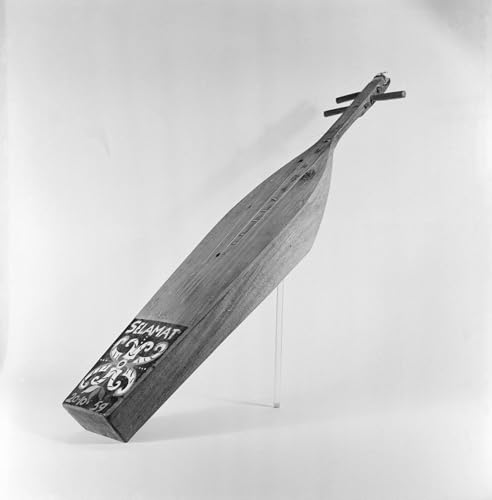
I listened to the recording of the Sapeh and learnt the rough pentatonic scale used. I isolated a few segments and tried them on guitar to get the ideas flowing. The recording of the Sapeh is sampled and utilise throughout the piece. At times I have used it to double the bass line or to give a new melody line or rhythm.
The main “nautical” melody is built upon a four bar segment of the original recording. The clicks and resonance of the instrument are also used to give some ambience and texture. I have used acoustic guitars, hand drums, mandolin, electric guitars, sequenced midi instruments and drums using GarageBand. I also used open source recordings of seagulls in Plymouth and Hornbills in Sarawak.
Sapeh (three-stringed boat lute) reimagined by Daniel Chudley - Le Corre.
———
Part of the project A Century of Sounds, reimagining 100 sounds covering 100 years from the collections of the Pitt Rivers Museum at the University of Oxford. Explore the full project at citiesandmemory.com/century-sounds