エピソード

  • Frederick Edwards Jr. on Fostering Community Unity through Narrative Justice
    2025/12/13

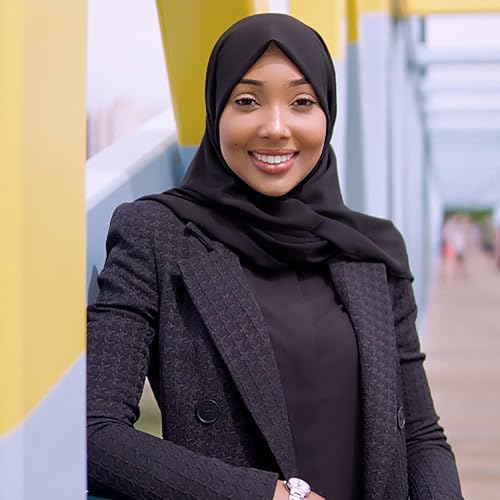
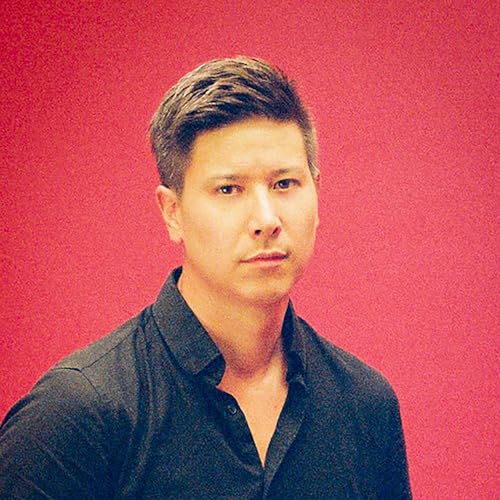
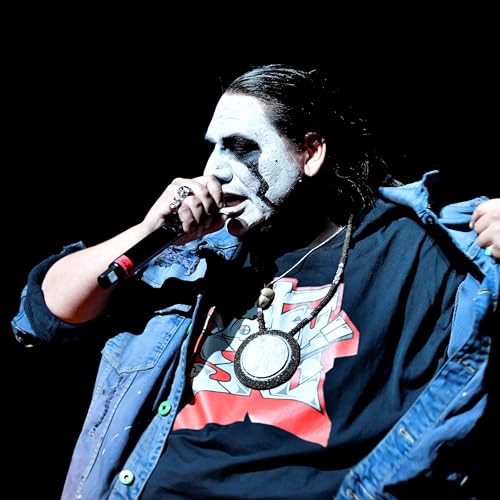
    Frederick Edwards Jr., the esteemed Creative Director and teaching artist, exemplifies the transformative power of community engagement and narrative justice. In dialogue with host Joe Williams, we delve into his innovative initiatives, Umoja and Fred’s Dissonance, designed to empower youth through leadership, cultural awareness, and creative expression. Fred's personal journey, marked by resilience and a commitment to fostering positive change, illuminates the profound impact of storytelling in addressing societal gaps. Engaging with diverse audiences, he emphasizes the necessity of creating spaces where individuals can voice their experiences and heal collectively. Join us as we explore the intersection of creativity and community empowerment, underscoring the vital role of narrative in fostering unity and belonging.

    The Waterers Podcast serves as a powerful platform for amplifying the voices of those engaged in community-led change, particularly focusing on the transformative initiatives spearheaded by individuals like Fred Edwards Jr. A distinguished Creative Director and teaching artist from the Great Plains, Edwards has dedicated his career to fostering narrative justice and community empowerment through innovative programs such as Umoja and Fred's Dissonance. In this episode, Fred shares his profound insights into how his upbringing and personal experiences have shaped his leadership philosophy, emphasizing the importance of emotional ecosystems in community building. The conversation delves into the impact of grassroots initiatives in the Fargo-Moorhead area, highlighting the critical need for culturally relevant curricula that address societal gaps and empower youth to pursue meaningful careers. Fred's resilience and commitment to creating safe spaces for dialogue and artistic expression resonate throughout the discussion, offering listeners a glimpse into the transformative power of storytelling and community engagement.

    Takeaways:

    • Fred Edwards exemplifies a commitment to narrative justice through transformative community programs like Umoja.
    • Umoja focuses on guiding youth towards meaningful careers by fostering leadership and cultural awareness.
    • Fred's Dissonance serves as a multi-generational initiative that reshapes educational paradigms with relevant curricula.
    • Creative expression through poetry has been vital in Fred's personal healing and community engagement efforts.
    • Fred's life experiences and resilience inform his approach to leadership and community building.
    • The Bush Fellowship has empowered Fred to prioritize impactful community work over traditional accolades.

    Companies mentioned in this episode:

    • Waterers
    • Umoja
    • Fred's Dissonance
    • Triveka Nazarene
    • Black Lives Matter
    • Color Capital
    • Bush Fellowship
    • Planned Parenthood

    続きを読む 一部表示
    45 分
  • Reimagining Art and Culture: Dr. Kate Beane's Vision for Inclusion
    2025/12/05

    This podcast episode features a profound discussion with Dr. Kate Beane, a distinguished leader in American Indian Studies and the Executive Director of the Minnesota Museum of American Art. Dr. Beane elucidates the vital importance of prioritizing Black, Indigenous, and People of Color (BIPOC) creatives in the ongoing transformation of public spaces and cultural institutions. She articulates how grassroots initiatives, such as those championed by the Waterers, are pivotal in reshaping the cultural landscape through community-led efforts. Moreover, Dr. Beane emphasizes the necessity of relinquishing power in order to foster genuine collaboration and inclusivity within arts and cultural organizations. Through her insights, we explore the intersections of community engagement, historical understanding, and the imperative for systemic change in the representation of marginalized voices.

    The Waterers Podcast serves as a vital platform for amplifying the voices of those who are driving community-led change. This particular episode features an enlightening conversation with Dr. Kate Beane, whose impressive academic credentials and extensive professional background underscore her commitment to fostering Indigenous representation in the arts and cultural sectors. As the Executive Director of the Minnesota Museum of American Art, Dr. Beane emphasizes the importance of collaborative partnerships in curatorial practices, advocating for a co-curatorial model that actively involves Indigenous communities. She shares her personal journey through American Studies, reflecting on her family's history and the complexities of identity in the context of Indigenous experiences. The discussion also delves into the challenges faced by BIPOC artists and organizations, particularly regarding funding and representation in public art initiatives, highlighting the need for a transformative approach to philanthropy that genuinely empowers these communities.

    Central to Dr. Beane's philosophy is the belief that indigenizing spaces benefits not only Indigenous people but the broader community, promoting understanding and empathy through shared narratives. Her insights into the necessity of diversifying leadership within cultural institutions resonate throughout the episode, as she articulates the importance of creating welcoming environments that reflect the diversity of the populations they serve. As listeners are taken on a journey through Dr. Beane's experiences and reflections, they are encouraged to consider their own roles in facilitating systemic change within the arts and cultural landscapes, particularly in a time marked by social and political upheaval.


    This episode ultimately serves as a call to action for individuals and organizations alike to engage with the complexities of community collaboration, illustrating how the values of humility, patience, and sustained effort are essential in striving for authentic representation and equity in the arts. Dr. Beane's narrative is not merely one of personal achievement; it is a testament to the collective strength of communities that persist in the face of adversity, and a reminder that the work of indigenization and representation is an ongoing process that requires commitment and courage.


    Listeners will find themselves inspired by Dr. Beane's vision for a future where public spaces and cultural institutions reflect the rich tapestry of human experience, encouraging them to join in this vital mission of community empowerment and cultural stewardship.

    Takeaways:

    • Dr. Kate Beane articulates her journey through American Studies, emphasizing the importance of storytelling within Indigenous communities.
    • The Waterers prioritize BIPOC creatives, fostering grassroots initiatives that reshape community cultural landscapes.
    • Dr. Beane advocates for genuine partnerships in public spaces, necessitating power sharing for...
    続きを読む 一部表示
    37 分
  • Building Community Through Art: Conversations with Anna Johnson
    2025/12/01

    The salient focus of this podcast episode is the profound impact of community-led initiatives, exemplified by the work of artist Anna Johnson, an enrolled member of the Turtle Mountain Band of Chippewa Indians, who identifies as two-spirit. Anna articulates her commitment to inclusivity in her artistic endeavors, emphasizing the significance of representation for Black, Indigenous, and People of Color (BIPOC) within her community. As a participant in the transformative efforts of the Waterers, an organization that disrupts conventional philanthropy by empowering local creatives, she shares insights into her artistic journey, particularly her murals that serve as love letters to the community. Through her artistry, Anna engages in meaningful dialogues with diverse community members, fostering a deeper understanding of the social issues they face. This episode invites listeners to explore how grassroots initiatives are reshaping the cultural landscape and amplifying the voices of those often marginalized in the narrative of art and community.

    Anna Johnson, an artist and enrolled member of the Turtle Mountain Band of Chippewa Indians, articulates her identity as a two-spirit individual and the profound influence it has on her artistic expression. She elaborates on the concept of inclusivity, underscoring that her multifaceted identity as a Native American woman who identifies as gay informs the narratives and themes she explores in her work. Johnson's artistic endeavors, particularly her murals, serve as a love letter to her community, aiming to bridge cultural gaps and foster understanding. Throughout the discussion, she emphasizes the importance of representation and the social commentaries embedded within her creations, which resonate deeply with the diverse audiences they reach. The conversation highlights not only her personal journey but also the broader implications of art as a vehicle for activism and community engagement, particularly in the context of the Waterers initiative that champions BIPOC creatives in the Midwest.

    Takeaways:

    • Anna Johnson's identity as a two-spirit Native American artist profoundly influences her artistic expression and community engagement.
    • The Waterers organization exemplifies a transformative model for philanthropy that prioritizes BIPOC creatives and grassroots initiatives.
    • Through her murals, Anna Johnson fosters community, representation, and social commentary within her artistic practice.
    • The support provided by the Waterers significantly enhances artists' capacities to realize their creative visions and establish their studios.
    • Anna's innovative use of printmaking techniques in mural creation represents a unique intersection of traditional and contemporary art forms.
    • The podcast highlights the importance of inclusivity and community involvement in the arts, particularly for marginalized voices.

    Companies mentioned in this episode:

    • Waterers
    • NDSU
    • Plains Art Museum
    • GoodSpace
    • YWCA
    • News Story Counseling

    続きを読む 一部表示
    30 分
  • Regenerative Futures: Kowsar Mohamed on Water Governance
    2025/11/05

    Kowsar Mohamed, a distinguished two-time alumna of the University of Minnesota, currently serves as an Enterprise Director with the State of Minnesota while pursuing her doctorate in Natural Resources Science and Management. In this enlightening discourse, we delve into her extensive experience as an economic development practitioner, where she has adeptly bridged the realms of ecology, governance, and community inclusion. Mohamed articulates her profound insights into water governance, emphasizing its critical role in fostering community resilience and ecological sustainability. She also discusses her initiative, Ecosystem X, which serves as a regenerative systems lab aimed at developing innovative tools for community engagement in environmental stewardship. As we navigate the complexities of inclusive growth and environmental justice, Mohamed's perspectives underscore the necessity of integrating local knowledge and practices into broader governance frameworks.

    Kowsar Mohamed's extensive expertise in economic development and her passionate advocacy for regenerative practices are the focal points of this engaging podcast episode. As a two-time alumna of the University of Minnesota and a current PhD student specializing in Natural Resources Science and Management, Kowsar's dual focus on academia and practical application underlines her multifaceted approach to community resilience and water governance. The dialogue begins by exploring Kowsar's formative experiences in community organizing, which laid the groundwork for her commitment to inclusive economic growth, particularly in urban settings.

    Throughout the discussion, Kowsar articulates her vision for a future where water governance is approached through a lens of equity and sustainability. She emphasizes the importance of reindigenizing water governance practices, drawing on her Afro-indigenous heritage to highlight the need for a more holistic understanding of water as a communal resource. This perspective challenges listeners to reconsider the commodification of water and advocates for a governance model that prioritizes the well-being of communities over profit. Kowsar's reflections on the systemic inequities faced by marginalized groups in accessing water resources resonate deeply, providing a critical examination of current governance structures and their impacts on community well-being.


    The episode further delves into Kowsar's innovative work through Ecosystem X, a platform she established to foster collaboration across sectors in pursuit of regenerative solutions. She discusses the organization's mission to develop tools and frameworks that empower communities to take charge of their environmental futures. By integrating data-driven approaches with community insights, Ecosystem X aims to create sustainable practices that are both effective and culturally relevant. Kowsar's call to action for more equitable philanthropic practices underscores the necessity of dismantling traditional funding barriers to enable grassroots initiatives to thrive. As the episode concludes, listeners are left not only informed about the complexities of water governance but also inspired by Kowsar's unwavering commitment to fostering inclusive, resilient communities.

    Takeaways:

    • Kowsar Mohamed's extensive background in economic development showcases her commitment to community resilience and inclusion.
    • Her doctoral research focuses on the vital areas of regenerative systems and water governance, emphasizing community-led approaches.
    • Ecosystem X, founded by Mohamed, aims to create a hub for diverse ecosystems, bridging economic, environmental, and social initiatives.
    • Mohamed advocates for re-indigenizing water governance to restore community-centered practices that prioritize access to clean water.
    • The podcast underscores the importance of integrating local community knowledge into environmental...
    続きを読む 一部表示
    31 分
  • Reyna Hernandez: Redefining Public Art in Rural America
    2025/10/29

    Reyna Hernandez, a prominent iHanktonwan D/Nakota painter and muralist, endeavors to challenge the conventional narratives of settler colonialism that pervade the Midwest. Her artistic practice is deeply rooted in the critical examination of authorship and representation in public spaces, seeking to incorporate Native history and contemporary perspectives into the visual dialogue. Through her murals, she utilizes cultural symbolism and storytelling to explore themes of identity, visibility, and the erasure of indigenous experiences. In our conversation, we delve into the significance of her community-based approach to muralism, emphasizing the collaborative process that empowers local voices and fosters meaningful connections within rural communities. Join us as we discuss the transformative potential of public art and the vital role it plays in reshaping societal narratives.

    A profound exploration of the intersection between art and community unfolds as we engage with Reyna Hernandez, a talented ihanktonwan Dakota muralist. Through her work, Reyna endeavors to disrupt the conventional narratives of settler colonialism that pervade the Midwest. Her artistic process is intricately tied to an astute examination of authorship and representation, as she seeks to address the visual language that shapes public perception and societal values. In this conversation, she articulates the necessity of incorporating Native histories and contemporary perspectives into public art. Reyna's work is not merely aesthetic; it is a poignant commentary on identity, visibility, and the often-overlooked stories of Native peoples. We delve into her collaborative approach, which emphasizes community engagement and the importance of listening to the voices of those who inhabit the spaces she aims to transform. This episode illuminates the power of art as a vehicle for social change, revealing how murals can serve as conduits for dialogue and understanding within rural communities. Reyna's insights challenge us to reconsider the role of public art in shaping collective memory and identity, making this a compelling episode for anyone interested in the intersections of art, culture, and community activism.

    Takeaways:

    • The podcast emphasizes the significance of public art as a medium for community engagement, particularly in rural areas where access to arts programming is limited.
    • Reyna Hernandez discusses her artistic process, which prioritizes community input to ensure that murals reflect the values and narratives of local residents.
    • The conversation highlights the transformative power of collaboration in art, as it fosters a deeper connection between the artist and the community.
    • Hernandez articulates the importance of Indigenous women telling their own stories through art, challenging historical narratives controlled by others.
    • The episode addresses the nuances of identity in public art, stressing that art should encompass a variety of experiences rather than conform to singular representations.
    • The discussion underscores the need for granting organizations to trust artists, allowing for organic and fluid creative processes that adapt to community needs.

    Links referenced in this episode:

    • waterers.org
    • https://www.reynahernandezart.com
    • mural_otw

    Companies mentioned in this episode:

    • Waterers
    • University of South Dakota
    • Dakota News
    • Oscar House Art Institute

    続きを読む 一部表示
    44 分
  • Exploring Resilience through Film: Ryan Stopera's Vision and Mission
    2025/10/01

    Ryan Stopera, an award-winning writer, director, photographer, producer, and community advocate, epitomizes the transformative power of storytelling within diverse communities. His journey begain in social work, where he engaged with marginalized populations, ultimately catalyzing his passion for documentary filmmaking and narrative storytelling. With a commitment to elevating underrepresented voices, Ryan's work has challenged mainstream media narratives, particularly through his documentation of social movements since the 2008 recession. The essence of his endeavors lies in fostering collaboration and connection, as he believes that shared stories within communities significantly contribute to resilience and social change. This conversation illuminates the intersection of art, activism, and community, showcasing how Ryan's multifaceted experiences shape his mission to empower and uplift others through creative expression.

    Ryan’s artistic philosophy emphasizes collaboration and the necessity of community-based storytelling. He reflects on how the supportive fabric of the Twin Cities’ artistic environment has fostered his projects, allowing for the coalescence of diverse voices and ideas. The episode further explores his current endeavors, including his work on a feature-length documentary titled 'Why We Dance', which illustrates the significance of indigenous dance as a vessel for cultural expression. Through heartfelt anecdotes and a commitment to social justice, Ryan's insights serve as a testament to the belief that art can indeed shape societal discourse, encouraging future generations to embrace their narratives and create collaborative spaces for change.

    Takeaways:

    Ryan Stopera's profound journey as a self-taught artist began with his dedication to social work, emphasizing the importance of community engagement.

    Through his documentary work, Ryan has elevated marginalized narratives and transformed them into powerful stories that resonate with audiences.

    Collaboration is a cornerstone of Ryan's artistic practice, allowing him to merge storytelling with community organizing for impactful change.

    Ryan's filmmaking endeavors strive to showcase the often-invisible aspects of community life, fostering connection and understanding among diverse populations.

    The influence of familial relationships, particularly the memory of his late sister, serves as a driving force in Ryan's creative expressions and storytelling.

    As an artist, Ryan advocates for the significance of building intentional relationships that sustain collaborative projects and enrich the creative process.

    Links referenced in this episode:

    www.waterers.org

    elevenwarriorarts.com

    https://www.ryanstopera.com/

    https://www.artoftherural.org/

    Companies mentioned in this episode:

    Waterers

    Bank of America

    Art of the Rural

    続きを読む 一部表示
    38 分
  • Amplifying Voices: Talon Bazille Duchenneau on Community-Led Change
    2025/09/17

    Talon "Bazille" Ducheneaux, a multifaceted rap artist from the Cheyenne River Lakota and Crow Creek Dakota nations, shares his story in this episode of the Waterers. With a profound commitment to his community, Talon is the manager of the Wicahpi Olowan Music Program Recording Studio, where he fosters the talents of Indigenous artists through mentorship and collaboration. His musical oeuvre, which includes culturally infused rap albums, embodies themes of struggle, resilience, and perseverance, drawing from his rich cultural heritage. In our conversation, we talk of Talon's influences, his journey in sound design and music production, and his vision for empowering Native youth in the arts. This episode not only highlights Talon's artistic endeavors but also underscores the importance of community support and the legacy of mentorship within Indigenous cultures.

    The Waterers Podcast serves as a profound platform that elevates the voices of individuals who are ardently committed to enacting community-driven change. Through insightful discussions, the Waterers podcast offers a unique lens into the narratives of those who have benefitted from the support of the Waterers, an organization that seeks to disrupt conventional philanthropy by championing local control and empowering BIPOC creatives and organizations. In this episode, we engage with Talon "Bazille" Ducheneaux, a multifaceted rap artist and sound designer hailing from the Cheyenne River Lakota and Crow Creek Dakota tribes. Talon’s work extends beyond music into the realms of sound design and community engagement, illustrating the transformative power of grassroots initiatives in shaping the cultural landscape of Native communities across the Midwest. His experiences and artistic endeavors exemplify the intersection of heritage, creativity, and activism, providing listeners with a rich tapestry of insights into the role of art in fostering resilience and identity within indigenous populations.


    Takeaways:

    The Waterers Podcast amplifies grassroots initiatives that drive community-led transformation across diverse regions.

    Talon Bazille Ducheneaux's work blends traditional Dakota and Lakota heritage with contemporary rap and sound design.

    Community support is vital for artists, enabling them to share their voices and narratives effectively.

    Grassroots organizations empower Native youth through accessible art and technology, fostering creativity and expression.

    Talon's personal journey illustrates the healing power of music and the importance of mentorship in the arts.

    Collaborative projects highlight the significance of cultural representation in music and the arts, bridging generations and experiences.


    Chapters:

    00:14 - Introduction to the Waterers Podcast

    00:50 - Introducing Talon Bazille Ducheneaux

    30:40 - The Impact of Place on Creative Process

    44:31 - The Role of Music in Healing and Community Empowerment

    48:20 - Reflections on Time: Past, Present, and Future


    Companies mentioned in this episode:

    Waterers

    First People's Fund

    Playing for Change Foundation

    Cornerstone Theater Company

    Guthrie Theater

    Dahl Art Center

    Pennsylvania Academy for the Fine Arts

    Native American Music Awards


    Links referenced in this episode:

    https://www.bazille.info/about

    Https://www.waterers.org

    elevenwarrioararts.com

    続きを読む 一部表示
    1 時間 3 分
  • Moira Villiard: The Role of Collaboration in Creative Activism
    2025/09/03

    The salient focus of this podcast episode revolves around the transformative power of grassroots initiatives in reshaping community narratives through art. We engage in an enlightening dialogue with Moira Villiard, a multidisciplinary artist whose work prioritizes underrepresented stories and fosters healing through public art. Moira elucidates the significance of place in her creative process, emphasizing the importance of collaboration and community involvement in artistic endeavors. We explore how her projects, such as the Chief Buffalo Memorial, serve as vital educational tools that honor Indigenous histories while simultaneously engaging local communities. This conversation ultimately underscores our commitment to amplifying voices that drive meaningful change, thereby enriching the cultural landscape through collaborative storytelling.

    Takeaways:

    The Waterers Podcast serves as a platform that amplifies the voices involved in community-led change.

    The episode highlights the transformative power of public art in fostering community awareness and identity.

    Moira Villiard discusses the significance of place in her artistic practice and collaborative processes.

    Engaging with community narratives is essential to creating meaningful public art projects that resonate with local histories.

    Collaboration is emphasized as a vital aspect of the creative process, allowing for diverse perspectives to shape artistic outcomes.

    The podcast underscores the necessity of supporting local artists and initiatives to create sustainable cultural impact.

    Links referenced in this episode:

    waterers.org

    Artbymoira.com

    Companies mentioned in this episode:

    Waterers

    Bush

    USD

    Zeitgeist

    Ivy Vinyl

    Eleven Warrior Arts

    • POD for Good

    続きを読む 一部表示
    44 分