『The Practical Wealth Show』のカバーアート

The Practical Wealth Show

The Practical Wealth Show

著者: Curtis May
無料で聴く

The Practical Wealth Podcast is for people who want to take control of their finances today. Curtis May is part of the Prosperity Economics movement and is dedicated to breaking down each client's unique financial situation so they can rebuild it to fit their ideal lifestyle.© Copyright 2020, Curtis May 個人ファイナンス 個人的成功 経済学 自己啓発
エピソード
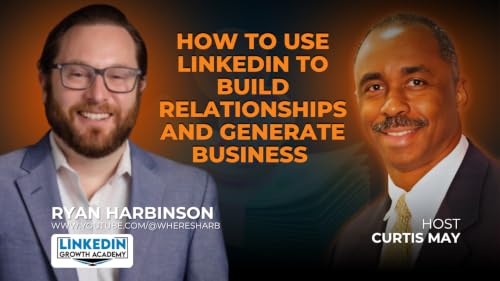
  • How Business Owners Can Turn LinkedIn Into a Lead Generation Machine | Lynne Williams
    2026/08/13

    Most professionals treat LinkedIn like an online résumé.

    Successful business owners treat it like a business development platform.

    In this episode of The Practical Wealth Show, Curtis May sits down with LinkedIn strategist and nonprofit leader Lynne Williams for a live audit of his own LinkedIn profile.

    Rather than discussing theory, Lynne critiques Curtis's profile in real time, explaining how small changes to headlines, keywords, skills, branding, networking, and engagement can dramatically improve visibility and credibility.

    The conversation expands beyond LinkedIn into a broader discussion about business development, strategic alliances, networking, marketing, and building a personal brand that consistently attracts opportunities.

    Whether you're a business owner, entrepreneur, executive, or professional, this episode offers practical steps to make LinkedIn work as a true lead-generation and relationship-building tool.

    Key Topics
    • Why LinkedIn should function as your landing page

    • Creating a keyword-driven headline

    • The importance of professional branding

    • Why "I help..." weakens positioning

    • Using LinkedIn's searchable skills database

    • Building authority through meaningful comments

    • Creating strategic networking opportunities

    • Turning LinkedIn into a referral engine

    • Why relationships outperform cold prospecting

    • Leveraging local networking organizations

    Practical Wealth Connection

    One of my favorite moments is where you naturally tied everything back to your philosophy:

    "You can't shrink your way to financial freedom."

    That becomes the bridge to Practical Wealth.

    Lynne helps people become more productive.

    You help them become more profitable.

    Those complement each other perfectly.

    Visit there website : https://greatcareers.org/

    続きを読む 一部表示
    1 時間 14 分
  • The Hidden Wealth Inside Your Business: Building an Asset Worth Selling
    2026/07/30

    Many financial advisors build successful practices that generate strong income but far fewer build businesses that could operate without them or eventually be sold.

    In this episode, we explore the fundamentals of business valuation and what makes an advisory practice attractive to a potential buyer. You will learn why revenue alone does not determine what your business is worth, how operational dependence on the owner can reduce value, and what advisors should begin doing now to prepare for a future sale.

    Whether you plan to sell your practice in the next few years or continue operating it for decades, building a more valuable business can create greater income, flexibility, and financial security today.

    In This Episode, You'll Learn
    • The difference between owning a job and owning a valuable business asset

    • The key factors buyers evaluate when valuing a financial advisory practice

    • Why recurring and predictable revenue can increase business value

    • How documented processes and systems reduce owner dependence

    • The importance of client retention, team development, and clean financial records

    • Common issues that can lower the value of an advisory business

    • Why succession and exit planning should begin long before you are ready to sell

    • Practical steps advisors can take now to make their businesses more transferable

    The Main Takeaway

    Do not wait until you are ready to retire to start preparing your business for sale.

    A valuable practice must be intentionally built. The earlier you improve your systems, financial reporting, client relationships, team structure, and recurring revenue, the more options you will have when it is time to transition.

    Your business should not only produce income for you today. It should become an asset that can create wealth for you and your family in the future.

    Who Should Listen

    This episode is for financial advisors, insurance professionals, agency owners, and financial-services entrepreneurs who want to:

    • Increase the long-term value of their businesses

    • Reduce the business's dependence on them

    • Prepare for succession, retirement, or a future sale

    • Build an operation that is more predictable and transferable

    • Turn years of hard work into a valuable business asset

    Questions to Consider
    • Could your business continue operating successfully without you?

    • Is your revenue predictable and recurring?

    • Are your processes documented?

    • Are your client relationships connected to the business or only to you?

    • Would a potential buyer clearly understand your financial performance?

    • What would need to change for your practice to become easier to sell?

    Next Step

    Begin evaluating your business through the eyes of a potential buyer. Identify the risks, gaps, and opportunities that may be affecting its current value.

    To learn more or schedule a business-value and succession-planning conversation, visit https://www.practicalwealth.net/.

    Connect With Curtis May

    Curtis May is the creator of the Money for LIFE Operating System™ and the founder of Practical Wealth Solutions. He helps business owners and professionals improve cash flow, build capital, protect their families, and create financial strategies designed to produce lasting wealth.

    Website: https://www.practicalwealth.net/
    Podcast: The Practical Wealth Show

    続きを読む 一部表示
    49 分
  • Seven Ways to Fix an Empty Bank Account
    2026/07/23
    Where Did My Money Go? 7 Simple Money Habits to Get Ahead Have you ever looked at your bank account and asked, "Where did all my money go?" You earned money. You paid your bills. You bought food, gas, and the things your family needed. But by the end of the month, there was little or nothing left. This is not always an income problem. Sometimes, the real problem is what happens to your money after you earn it. In this episode of The Practical Wealth Show, Curtis May explains seven simple money habits that can help you gain more control over your financial life. These habits can help you save more, reduce debt, prepare for emergencies, and protect the people you care about. What You Will Learn In this episode, Curtis explains: Why you should pay yourself before paying everyone elseHow to give every dollar a jobWhy you should not spend every raiseHow to begin building a cash reserveWhy paying off debt should not leave you without savingsHow insurance and legal documents protect your familyWhy learning new skills can increase your incomeHow one small financial action can create lasting change The Seven Money Habits 1. Pay Yourself First Do not wait to see what is left at the end of the month. Save a portion of your income as soon as you are paid. Start with an amount you can handle, even if it is only 5%. Over time, work toward saving 15% to 20% of your income. 2. Give Every Dollar a Job Decide where your money will go before you spend it. A cash-flow plan helps you prepare for housing, food, transportation, insurance, debt, savings, family needs, and fun. You should tell your money where to go instead of wondering where it went. 3. Do Not Spend Every Raise When your income increases, avoid turning the entire raise into new monthly bills. Consider saving half of every raise and using the other half to improve your life. This allows you to enjoy today while also preparing for tomorrow. 4. Build a Cash Reserve Unexpected expenses are part of life. Start by saving $500 or $1,000. Continue building until you have enough money to cover six to twelve months of your main expenses. The purpose of this money is to provide safety, access, choices, and control. 5. Stop Using Debt to Fund Your Lifestyle Debt allows you to buy something today using money you hope to earn tomorrow. Make a list of your debts, balances, payments, interest rates, and payoff dates. Then create a plan to reduce your debt while continuing to build savings. The goal is not to become debt-free and broke. The goal is to have less debt, more savings, fewer payments, and greater control. 6. Protect What You Have A strong financial plan must include protection. Review your life insurance, health insurance, disability coverage, property insurance, liability protection, will, power of attorney, and account beneficiaries. These tools create a fence around your money and your family. 7. Increase Your Ability to Earn You can only reduce spending so far. Learning new skills can help you solve more problems, create more value, and earn more income. Your greatest financial asset may not be your home or retirement account. It may be your ability to work, learn, lead, solve problems, and generate income. Your Next Step You do not need to change everything at once. Choose one action: Save 5% of your next paycheckReview last month's spendingCancel one unused subscriptionMake a complete list of your debtsAdd $50 or $100 to your cash reserveReview your insurance coverageEnroll in a class that can improve your skills Small steps can create big changes when they are repeated consistently. Financial freedom rarely comes from one dramatic decision. It comes from making better decisions again and again. Resources Take the Financial Freedom Assessment: https://curtis-vn4wwj0z.scoreapp.com/ Visit Practical Wealth Solutions: https://www.practicalwealth.net/ Connect with Curtis May on LinkedIn: https://www.linkedin.com/in/curtismay/ About Curtis May Curtis May is the founder of Practical Wealth Solutions and the creator of the Money 4 LIFE Operating System™. He helps business owners, working families, and professionals take control of their cash flow, build savings, reduce debt, protect their families, and create a strong financial future.
    続きを読む 一部表示
    15 分
adbl_web_anon_alc_button_suppression_t1
まだレビューはありません