Originally broadcast on April 14, 1938 as part of The Royal Desserts Hour, Ever After is a whimsical and gently satirical sequel to Walt Disney’s breakthrough animated film Snow White and the Seven Dwarfs, released just the year before in 1937. At the time, Snow White had become a cultural sensation — praised as a “work of perfection” by critics and adored by audiences of all ages — and radio producers moved quickly to create stories that played with the world and characters that Disney had brought to life. Ever After was written by Keith Fowler and performed by an impressive pair of stage actors: Edith Barrett as Snow White and Vincent Price — yes, that Vincent Price — as Prince Charming. Before Price became famous for his iconic horror roles, he appeared frequently on radio dramas, bringing his suave theatricality to comedic and romantic parts alike. Their segment aired within a live variety program hosted by singer Rudy Vallée, blending music, comedy, and short dramatic sketches for a national radio audience. This playful “what happened next?” story imagines Snow White and Prince Charming three years into marriage — long after the traditional fairy-tale ending. Unlike Disney’s pristine fade-out, Ever After explores the humorous realities of royal domestic life: a distracted prince buried under affairs of state, a princess longing for affection, a forgotten anniversary, and the gentle chaos of learning how to live together once the magic settles. Part parody, part romantic comedy, and part affectionate tribute, the sketch offers audiences a charming glimpse into the ordinary marital squabbles of extraordinary characters. It blends familiar fairy-tale elements with smart, snappy 1930s radio humor, ultimately landing on the hopeful message that “happily ever after” is less a perfect ending and more a commitment to finding joy together — even when tempers flare and royal paperwork piles up. In revisiting this delightful radio gem, we honor a unique moment in entertainment history: when early Hollywood, Broadway talent, and national radio combined to breathe new life into beloved fairy tales. This Naples Players Radio Theatre production features the vocal talents of Michael Santos , Amy Hughes, Pat Ashton, Kip Jones, and Michael Troop . This audio file was recorded, mixed and mastered by Michael Troop. Music Acknowledgment & Fair Use Notice Music and sound effects were obtained through a special license from pond5.com and may not be copied or reproduced for any reason. Excerpts of historic recordings are used in this production for purposes of dramatic illustration, historical reference, and artistic context and have been edited and altered for dramatic purpose. All music excerpts are the property of their respective copyright holders and are used here in accordance with U.S. copyright law under the doctrine of fair use (17 U.S.C. §107). Featured recordings include brief excerpts from: •Heigh Ho - from Readers Digest Music, Wish Upon a Star Vol 2, film and fantasy favorites for the young at heart. No ownership of these works is claimed, and no commercial use is intended. Listeners are encouraged to seek out and enjoy the complete original recordings from authorized sources. This performance is presented as a historical recreation of a classic radio broadcast. All rights to the original script and characters remain with their respective copyright holders. This production is non-commercial and for educational and entertainment purposes only.
続きを読む
一部表示


 2026/05/1127 分
 2026/03/0117 分
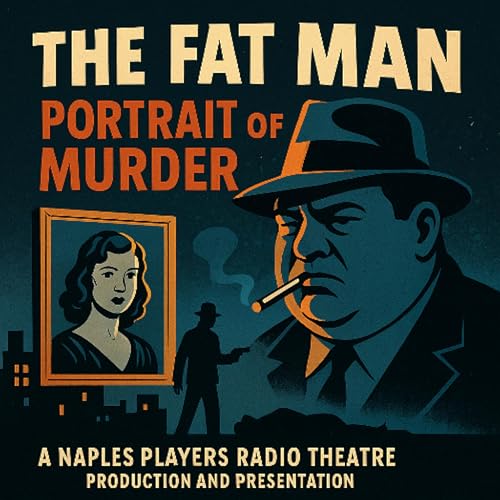 2025/12/0331 分