

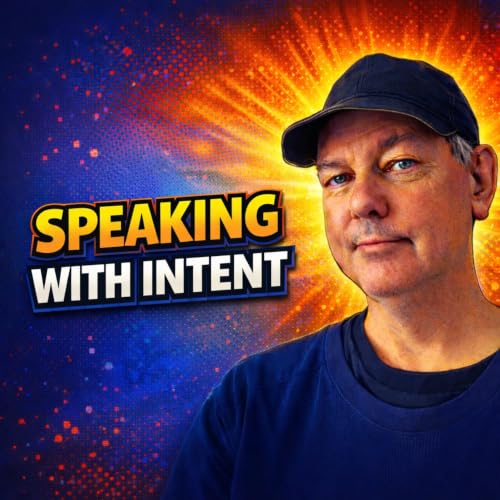
The Most Dangerous Person in the Room Isn't the Loudest - It's the One Who Makes Everyone Else Talk
カートのアイテムが多すぎます
カートに追加できませんでした。
ウィッシュリストに追加できませんでした。
ほしい物リストの削除に失敗しました。
ポッドキャストのフォローに失敗しました
ポッドキャストのフォロー解除に失敗しました

The Most Dangerous Person in the Room Isn't the Loudest - It's the One Who Makes Everyone Else Talk
-
ナレーター:
-
著者:
Most people believe the most powerful communicator is the one who speaks with the most confidence.
They’re wrong.
In this episode of **Speaking With Intent**, I discuss one of the most misunderstood principles of influence: the people who create the greatest impact are often the ones who speak the least.
You'll discover why silence is a strategic tool, why asking better questions creates more influence than making stronger arguments, and how experienced negotiators, leaders, investigators, attorneys, and interviewers gather information without dominating conversations.
Whether you're leading a team, negotiating a deal, interviewing for a job, managing conflict, or simply trying to become a more effective communicator, this episode will challenge how you think about conversational power.
## In this episode:
• Why talking more often means giving away more information
• How strategic silence encourages people to reveal more
• The psychology behind asking questions that create trust
• Why listening is one of the most active communication skills
• How exceptional leaders guide conversations without dominating them
• Practical techniques you can use immediately in meetings, negotiations, interviews, and everyday conversations
Sometimes the person with the most influence isn't the one everyone hears.
It's the one everyone ends up talking to.
Subscribe for new episodes exploring the hidden dynamics behind the conversations that shape careers, relationships, and leadership.
#SpeakingWithIntent #Communication #Leadership #Influence #Negotiation #LeadershipSkills #CommunicationSkills #BusinessCommunication #ExecutivePresence #ActiveListening #ConversationSkills #EmotionalIntelligence #CriticalThinking #ProfessionalDevelopment #PersonalDevelopment #PublicSpeaking #ConflictResolution #WorkplaceCommunication #DecisionMaking #Psychology