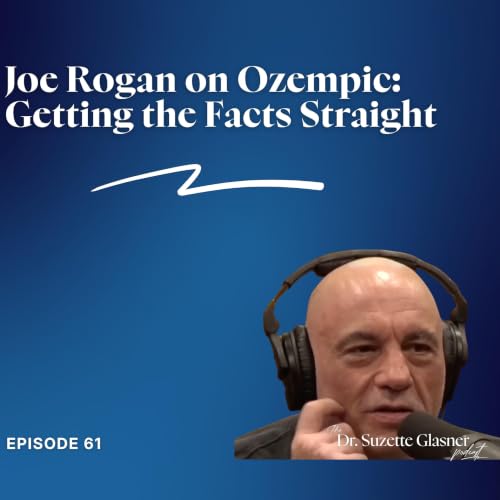
『The Dr Suzette Glasner Podcast』のカバーアート

The Dr Suzette Glasner Podcast

The Dr Suzette Glasner Podcast

著者: Dr. Suzette Glasner
無料で聴く

今ならプレミアムプランが3カ月 月額99円

2026年5月12日まで。4か月目以降は月額1,500円で自動更新します。

概要

Dr. Glasner is a clinical psychologist, addiction scientist, award-winning author, and Associate Professor of Psychiatry at UCLA in the David Geffen School of Medicine. The Dr. Suzette Glasner podcast discusses the latest advances in addiction science, trends in alcohol and other substance use, misuse, and addiction across the lifespan, and how to use the science underlying addictive behaviors and the effects of substance use on the brain to shape our health behaviors and every day lives.

drglasner.substack.comDr. Suzette Glasner
心理学 心理学・心の健康 衛生・健康的な生活 身体的病い・疾患
エピソード
  • Ep. 52: The Body Dysmorphia and Addiction Risk Behind Looksmaxxing
    2026/05/03

    Most of the coverage of the looksmaxxing trend has framed it as a viral aesthetic phenomenon. From the perspective of clinical psychologist and addiction scientist Dr. Suzette Glasner, it looks like something else: the convergence of two clinical pictures — body dysmorphic disorder and stimulant use disorder — repackaged in the language of self-optimization and delivered to adolescent boys at scale.

    In this episode, Dr. Glasner discusses what the trend actually is, clinically, tracing its core practices to the diagnostic criteria for BDD — a recognized mental health condition with an elevated suicide rate, typically beginning between ages 12 and 13, and just as common in men as in women. She summarizes what published research now shows about social media and BDD, including recent work on adolescents’ use of filters and self-image. And from an addiction perspective: how the looksmaxxing community’s normalization of anabolic steroids, SARMs, peptides, and amphetamines is creating a permission structure for stimulant use in early adolescence - and the overdose risk that comes with it.

    The Clavicular case is the entry point. The 20-year-old “looksmaxxing” influencer collapsed during a livestream in Miami this month in a suspected overdose, and afterward told followers that “all of the substances are just a cope trying to feel neurotypical while being in public.” That statement has important implications self-medication framing layered on top of a community-validated drug culture, in a young man whose audience includes thirteen-year-olds.

    You can watch the full episode here:

    Dr. Glasner closes with a summary of science-based treatments for BDD and stimulant addiction — and with internist Dr. Lucy McBride’s recent framework for evaluating health information from influencers, applied to the specific case of a 20-year-old livestreamer recommending hormones, stimulants, and off-label growth hormone to minors.

    If you or someone you love is in crisis: 988 Suicide & Crisis Lifeline — call or text 988, or visit

    https://988lifeline.org

    SAMHSA National Helpline (1-800-662-HELP) — 24/7, English and Spanish.

    Further reading:

    Loannou et al. (2024), #NoFilter: The impact of social media body dysmorphic disorder in adults, Mental Health Science.

    McBride, L. (2026), Yes, Credentials Do Matter, Maria Shriver’s Sunday Paper.

    The Dr. Suzette Glasner Podcast brings clinical and addiction science to the mental health stories everyone is already talking about.

    📩 Questions or topic suggestions: AskDrGlasner@gmail.com

    🧩 More: https://drglasner.com


    This is a public episode. If you would like to discuss this with other subscribers or get access to bonus episodes, visit drglasner.substack.com
    続きを読む 一部表示
    20 分
  • Ep. 51: Joe Rogan on Ibogaine: What the Science Actually Says | The Dr. Suzette Glasner Podcast
    2026/04/26
    When Joe Rogan recently called Ibogaine a near-miraculous cure for opioid addiction — and the White House announced it would accelerate federal research into psychedelic medicines including Ibogaine — a powerful narrative took hold: one dose, addiction gone. The viral statistic? An 80% cure rate.But what does the research actually say?In this episode, addiction scientist and clinical psychologist Dr. Suzette Glasner traces that 80% number back to its potential sources in the published research literature — and walks through what the studies to date have actually shown. Dr. Glasner explains the data through the lens of conservative methodology for interpreting treatment success rates, which suggests that the outcomes are closer to 50% abstinent at one month and 30% at one year. That’s still a meaningful signal worth investing in. It’s just not a miracle cure.Watch the full episode here:Dr. Glasner also unpacks what Ibogaine is and why it’s drawn the attention of addiction researchers — particularly its action in the brain’s reward circuit. She gets into the cardiac risks and how they can be reduced before and during treatment (e.g., cardiac screening, EKG monitoring during the session, and co-administered magnesium). 🧠 Key TakeawaysThe bottom line: the scientific signal is real, and accelerated federal investment in rigorous trials is genuinely needed. But the gap between what the evidence shows and what people are hearing in viral podcast clips is where people can get hurt. And while we wait for clinical trials to be completed, FDA-approved medications for opioid use disorder already exist, save lives, and are available right now.🔍 Episode Breakdown00:00 Joe Rogan and the ibogaine "miracle" story00:47 The "80% cured, 90%+ on the second dose" claim01:22 Trump's executive order accelerating psychedelic research01:59 Why this addiction scientist is excited — and concerned04:14 Three questions this episode answers04:35 What ibogaine is06:18 How ibogaine works in the brain: GDNF and the reward circuit08:18 What the clinical evidence actually shows10:26 Breaking down the 80% figure13:50 The 2024 Stanford TBI study and the gap in the evidence15:40 The safety conversation that isn't happening: hERG and QT17:56 Documented deaths and why cardiac monitoring matters19:11 Dr. Glasner’s final take and practical guidanceListen to Episode 51 for an evidence-based look at what Ibogaine can — and can’t — do, and why the gap between the science and the headlines matters.📩 Questions or topic suggestions? Email AskDrGlasner@gmail.com 🔗 Subscribe for evidence-based discussions on addiction, recovery, and mental health : www.YouTube.com/@drglasner This is a public episode. If you would like to discuss this with other subscribers or get access to bonus episodes, visit drglasner.substack.com
    続きを読む 一部表示
    22 分
  • Ep. 50: Can GLP-1s Reduce Cravings? Rethinking Addiction and the Brain
    2026/04/20

    In this episode, Dr. Suzette Glasner explores a rapidly emerging question: could medications like Ozempic and Wegovy do more than support weight loss—and actually reduce cravings for alcohol and other substances?

    The conversation is sparked by Oprah Winfrey’s recent reflection that after starting a GLP-1 medication, she lost her desire to drink alcohol—without trying.

    Drawing on the latest research, Dr. Glasner breaks down how GLP-1 medications work in the brain, particularly their effects on dopamine and the brain’s reward system, and why this may lead to reduced cravings not just for food, but for alcohol, nicotine, and other substances.

    You can watch the full episode on The Dr. Suzette Glasner Podcast here:

    She also reviews findings from large-scale studies involving tens of thousands of individuals, showing significantly lower rates of alcohol use disorder and relapse among people taking medications like semaglutide, along with emerging evidence across other substances.

    Beyond the science, this episode explores a deeper shift in how we understand addiction—from a model centered on willpower and choice to one rooted in brain biology. As widely used medications begin to impact craving itself, they may not only change treatment approaches, but also reduce the stigma that prevents many people from seeking help.

    Finally, Dr. Glasner discusses who might benefit from these medications, important limitations of the current research, and why GLP-1s should be viewed as a potential tool—not a cure—within a broader, evidence-based approach to addiction care.

    If you or someone you care about is struggling with alcohol or substance use, this episode offers a clear, grounded, and clinically informed perspective on where this field is headed.

    Have a question about today’s episode? Or a topic you’d like me to cover in a future episode?

    Email: askdrglasner@gmail.com

    #GLP1 #Ozempic #Wegovy #Addiction #AddictionRecovery #AlcoholUseDisorder #MentalHealth #BrainHealth #Dopamine #Cravings #SubstanceUse #ObesityMedicine #HealthPodcast #Psychiatry #Wellness


    This is a public episode. If you would like to discuss this with other subscribers or get access to bonus episodes, visit drglasner.substack.com
    続きを読む 一部表示
    11 分
まだレビューはありません