

The Danger of Blind Trust
カートのアイテムが多すぎます
カートに追加できませんでした。
ウィッシュリストに追加できませんでした。
ほしい物リストの削除に失敗しました。
ポッドキャストのフォローに失敗しました
ポッドキャストのフォロー解除に失敗しました

The Danger of Blind Trust
-
ナレーター:
-
著者:
A simple text message that appears to come from a trusted bank sets off a chain of events that reveals one of the greatest vulnerabilities in modern life—not technology, but human psychology. By exploiting familiarity, urgency, and the appearance of authority, a scammer nearly gains access to a victim's entire financial identity.
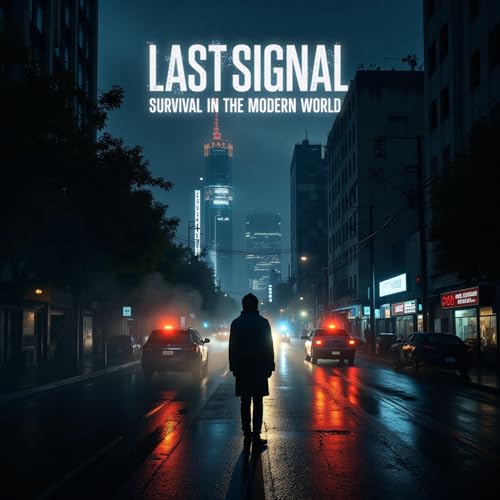
In this episode of LAST SIGNAL: Survival in the Modern World, we explore the hidden dangers of blind trust and why our natural tendency to trust familiar people, organizations, and symbols can sometimes work against us.
Blending cinematic storytelling, behavioral psychology, and practical survival lessons, the episode examines:
- Why trust is essential for society but can become a vulnerability
- How scammers exploit authority, urgency, and familiarity
- The psychology behind first impressions and the halo effect
- Why intelligent people are just as vulnerable to deception
- How misinformation spreads through repetition and social proof
- The difference between healthy skepticism and paranoia
The episode also explores how modern threats increasingly target human decision-making rather than physical security, and why slowing down to verify information is one of the most valuable survival skills in the digital age.
Because survival is not about trusting no one.
It is about knowing when trust should be earned—not simply assumed.