There was a time when half of America sat down at the same hour and watched the same tv show. When a moonwalk or a moon landing or a series finale wasn't just an event — it was a shared experience, a cultural reference point that connected strangers at bus stops and colleagues at water coolers and kids on the playground.
That era is over. But what exactly did we lose when it ended — and was it really as good as we remember?
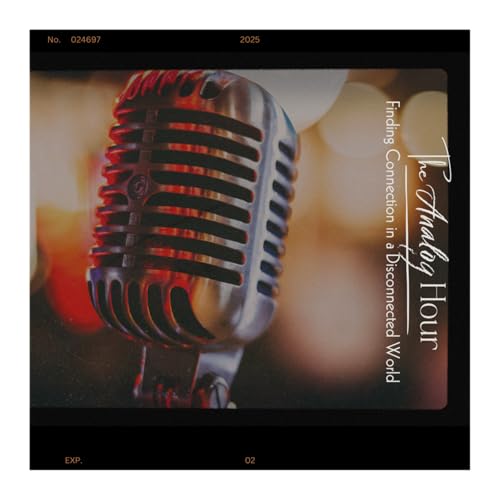
This week on The Analog Hour, I'm joined by Professor Bob Thompson, one of America's leading authorities on television and popular culture, who has spent more than 40 years at Syracuse University studying how what we watch shapes who we are.
We cover a lot of ground — and Bob has a gift for reframing things you thought you understood. We talk about why the age of shared mass culture was actually a case of social engineering; how shows like Leave It to Beaver presented a perfectly polished version of America while the country was immense upheaval.; and why the same technology that once pulled us together is now pulling us apart.
We also talk about I Dream of Jeannie in a way that will ruin it for you slightly. You're welcome.
In this episode:
- Why the era of shared mass culture — from roughly 1890 to 1990 — may be the greatest cultural consensus in human history
- How cable didn't just add channels; it ended the shared cultural conversation
- What All in the Family, MASH, and The Cosby Show reveal about television's complicated relationship with social progress
Professor Bob Thompson is the founding director of the Bleier Center for Television and Popular Culture at Syracuse University's Newhouse School of Public Communications. He makes regular media appearances worldwide — from the BBC to the New York Times — to explain what pop culture says about society.
New episodes of The Analog Hour drop weekly (every Friday). Subscribe wherever you listen to podcasts, and find us at analoginadigitalworld.net.
If this episode resonated, please leave a review and share it with someone who still remembers exactly where they were when an event unfolded that touched all of us.


 2026/06/1924 分
 2026/04/2423 分