

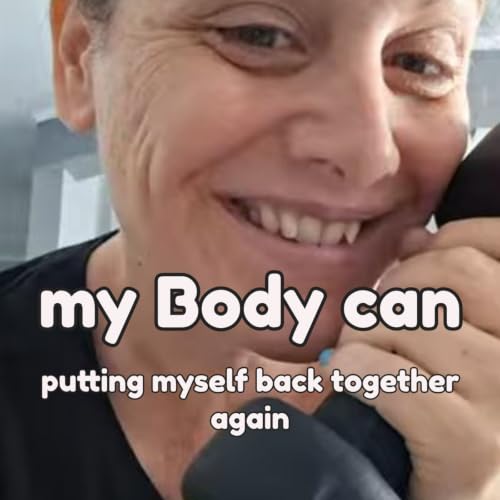
Soreness vs. Pain: How to Know the Difference When You Exercise in Midlife: S1E13
カートのアイテムが多すぎます
カートに追加できませんでした。
ウィッシュリストに追加できませんでした。
ほしい物リストの削除に失敗しました。
ポッドキャストのフォローに失敗しました
ポッドキャストのフォロー解除に失敗しました

Soreness vs. Pain: How to Know the Difference When You Exercise in Midlife: S1E13
-
ナレーター:
-
著者:
Where's the line between soreness and pain? It's a question Stephanie has been wrestling with her entire adult life and this week it hit hard again.
In this solo episode of my Body can, Steph talks through a "ring of soreness" wrapping from her mid-back to her upper abs, even after reducing her workout time. She unpacks how being neurodivergent (likely autistic, though undiagnosed) means physical sensations, including pain, can feel amplified, sometimes up to ten times more intense than for neurotypical people. That amplification cuts both ways: movement feels incredible, but recovery can feel brutal.
This episode is a real-time example of the start-stop paradox so many people face with exercise: when do you push through discomfort to get stronger, and when do you back off before you get hurt? Stephanie walks through her own working definitions of soreness, pain, and injury, the small adjustment that made an immediate difference (cutting a set from 45 seconds down to 20), and why she thinks the answer is different for every body , not one-size-fits-all advice from the fitness industry.
If you've ever quit an exercise routine because the soreness afterward wasn't worth it, or you've never been sure whether to rest or push through, this episode will feel like a conversation with a friend who gets it.
Key Takeaways
- Soreness, pain, and injury are three different things — and learning to tell them apart takes practice and self-awareness, not a fitness certification.
- Neurodivergent and autistic people may experience physical sensation, including pain, far more intensely than neurotypical people.
- Doing less exercise doesn't always mean less soreness — recovery depends on sleep, stress, illness, posture, and dozens of other factors working together.
- Small adjustments (like shortening a set from 45 seconds to 20) can make an immediate, noticeable difference without abandoning the workout entirely.
- Progress in midlife often looks like pulling back, not pushing harder — and that's not the same as giving up.
In This Episode
- Why Stephanie is inside doing gentle movement instead of at the park
- A 10-minute check-in workout, done live during recording
- The "ring of soreness" from upper back to upper abs and where it likely came from
- How being neurodivergent affects the way pain and sensation are experienced
- The push-pause paradox: when to keep going vs. when to stop
- Steph's working definitions of soreness vs. pain vs. injury
- The small dumbbell adjustment that eased the pain without stopping the workout
- Why "no pain no gain" and "just rest" can't both be right — and why the real answer depends on the individual
- An honest moment of needing support instead of giving it
Notable Quotes
"I love movement, but I keep hurting. And that's the part that really pisses me off."
"My body can do a lot more than we think it can — when it hurts, it sucks."
"Taking a break isn't the same as quitting."
Join the Conversation
Where do you draw the line between soreness and pain? Do you listen to your body — or try to outsmart it?
Leave a comment on Instagram to share your experience.
my Body can is a project about rebuilding strength and mobility in your 50s after illness, injury, and hormonal change -one honest, unfiltered day at a time.