エピソード

  • The Suitcase Without a Name Tag
    2026/03/15

    The Gathering Tree Social Group

    続きを読む 一部表示
    9 分
  • The Girl Who Counted The Stars
    2026/03/08

    THE GATHERING TREE SOCIAL CLUB

    続きを読む 一部表示
    8 分
  • Remembering Your Roots - The Right To Culture
    2026/03/01
    8 分
  • The Right to Close The Door
    2026/02/22
    7 分
  • The Afternoon Kavi Remembered How To Play
    2026/02/14

    Click to meet other kids: The Golden Gathering Tree Social Group

    続きを読む 一部表示
    7 分
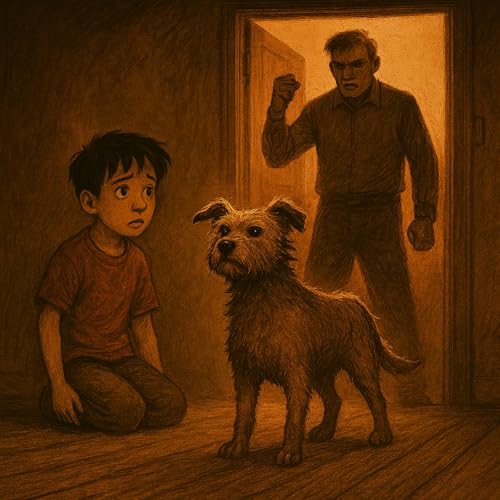
  • Episode 11. The Dog That Stood Its Ground
    2026/02/09

    Caregiver Instruction — Episode 11

    This episode explores Article 19: every child’s right to protection from violence.

    Caregivers are encouraged to listen with children and use the story to spark gentle conversations about safety, courage, and community responsibility.

    After listening, ask:

    • “What did the dog do that helped Lio feel safe?”

    • “Who are the helpers in our life?”

    • “What should we do if someone is in danger?”

    This episode is suitable for ages 7+, with adult guidance recommended for sensitive themes.

    続きを読む 一部表示
    7 分
  • The Season of Seeding: The Little Healing Well
    2025/12/31

    Please, come on a trip with us, the stories will guide you through the forests of human and children's rights.

    続きを読む 一部表示
    7 分
  • The Story of The Empty Chair - Article 9
    2025/12/09

    Fireside Story — Article 9

    “The Right to Family Unity”

    "Children must not be separated from their parents against their will, except when it is necessary for the child’s best interests (for example, if a parent is harming or neglecting them). Governments must respect the child’s right to maintain personal relations and direct contact with both parents on a regular basis, unless it is not in the child’s best interests. If separation happens (such as through detention, exile, deportation, or death), children have the right to know where their parents are and to stay connected."

    The Empty Chair

    It was a summer evening, and the campfire flickered against the circle of children.

    In a small town, a boy named Mateo always sat at the dinner table with his mother and father. His favorite spot was the chair between them, where he felt safe.

    One day, his father had to leave suddenly for work far away. Weeks turned into months. The chair stayed empty. Mateo’s mother tried to smile, but he could see the sadness in her eyes.

    At school, some children teased him: “Maybe your dad isn’t coming back.” Mateo held onto his father’s letters, reading them again and again. Each word reminded him that family ties are not broken by distance.

    One evening, his teacher asked the class to draw something that made them feel strong. Mateo drew the empty chair. “This is where my father belongs,” he said. “Even when he’s gone, I know he loves me. And I have the right to keep that bond.”

    The room grew quiet. Other children began to share their own drawings — a grandmother’s scarf, a brother’s toy, a mother’s lullaby. Each one was a reminder: family connections matter.

    That night, Mateo whispered to the empty chair: “You are part of me. No one can take you away.”

    **************************************************************

    Reflection

    “Every child has the right to be with their parents. No one should take you away from your family unless it’s the only way to keep you safe. Even if your parents live far away or something happens, you should still be able to know them, talk to them, and feel their love.” This is what Article 9 is about.

    Have you ever missed someone in your family for a long time? How did you stay connected? How do you think Mateo felt when his father was gone? How did the empty chair help him remember? What object, place, or memory connects you to your family even when they’re far away? Why do you think children have the right to stay connected to their parents and family ties?

    Imagine a bridge that stretches across a wide river.

    On one side stands a child, on the other side their parents.

    The bridge is strong—it holds their voices, their hugs, their stories.

    Sometimes, storms come.

    The river rises, the winds blow, and people may say the bridge should be closed.

    But Article 9 says the bridge must stay open, unless closing it is the only way to protect the child.

    Even if parents must live far away, the bridge should carry letters, calls, and visits.

    Even if a parent is gone, the bridge should carry memories and love.

    Because no child should feel cut off from their family.

    The bridge is part of who they are.

    “Your family is your first home. Even if walls or miles stand between you, there must always be a bridge. That bridge is your right, and it should never be taken away unless it is the only way to keep you safe.”

    Thank you for listening to my story, here in the Season of Justice Podcast. Aloha

    続きを読む 一部表示
    8 分