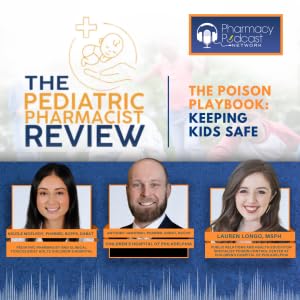
『Pediatric Pharmacist Review』のカバーアート

Pediatric Pharmacist Review

Pediatric Pharmacist Review

著者: pediatricpharmacistreview
無料で聴く

このコンテンツについて

In partnership with the Pharmacy Podcast Network, Perfecting Peds brings the pediatric pharmacy perspective to a broader audience of healthcare professionals, families, and industry leaders. Through expert interviews, case discussions, and real-world stories, these episodes highlight the challenges and opportunities in pediatric medication management. Listeners gain insights into the future of pharmacy, innovations in care delivery, and the vital role of pharmacists and care teams in shaping better outcomes for children and their families.

Copyright 2025 All rights reserved.
人間関係 子育て 衛生・健康的な生活
エピソード
  • Rx for the Winter Blues: Shining Light on Seasonal Depression | Pediatric Pharmacist Review
    2025/11/26

    In this episode of The Pediatric Pharmacist Review, we explore the phenomenon of seasonal affective disorder (SAD) and its relevance to children, adolescents, and families. Our guest, Tim Horton, is a seasoned psychiatric nurse‑practitioner (APRN, CNP) and founder of PeopleFirst Clinic in Woodbury, Minnesota, where he specializes in holistic, medication‑management and therapy‑integrated care for youth and adults. With his unique background in pediatric mental health, patient‑centered approaches, and collaborative provider work, Tim brings deep insight into how biological and environmental factors converge in seasonal depression—and what practical actions caregivers and clinicians can take to mitigate its impact. Key Discussion Points: Biological & Environmental Contributors: We unpack how changes in daylight exposure, circadian rhythm shifts, neurotransmitter variations (serotonin, melatonin), and geographic/seasonal factors contribute to SAD in children and teens. Lifestyle & Environmental Interventions: Tim and I discuss actionable strategies such as structured light‑exposure (dawn simulators, 10,000 lux boxes), daily outdoor activity, consistent sleep schedules, and nutritional supports (timing of meals, nutrient‑dense foods, healthy fats) to reduce symptom severity. Treatment Options & Efficacy: We review standard of care for SAD—starting with behavioral and lifestyle measures, then progressing to light therapy and pharmacologic treatment (SSRIs, SNRIs, augmentation) when needed, including considerations unique to pediatric populations. Vitamin D and Seasonal Depression: We examine the evidence linking vitamin D deficiency with increased SAD risk, discuss screening thresholds in younger patients, supplementation strategies, and how this fits into a broader preventive mindset. Preventive Measures Ahead of Winter: Tim outlines a pre‑winter readiness plan—adjusting indoor lighting, optimizing outdoor daylight exposure, establishing routine exercise, reinforcing healthy diet patterns, and monitoring early warning signs for a proactive response. Misconceptions and Under‑Recognition: We address common myths—such as SAD only occurring in extreme northern latitudes, or that “it’s just the blues” and will self‑resolve—highlighting how under‑recognition in pediatric settings can delay helpful intervention. Resources & Links: Tim Horton LinkedIn: https://www.linkedin.com/in/tim-horton-248858359/ PeopleFirst Clinic: https://www.peoplefirstmn.com/

    続きを読む 一部表示
    29 分
  • KIDs List Lowdown | Pediatric Pharmacist Review
    2025/10/28

    In this episode of The Pediatric Pharmacist Review, we delve into the 2025 KIDs List—the Pediatric Pharmacy Association's updated guide highlighting key potentially inappropriate medications in pediatric care. This comprehensive list serves as a critical resource for clinicians aiming to enhance medication safety and optimize pharmacotherapy in pediatric populations. Meet the Experts: Dr. Rachel S. Meyers brings a wealth of experience as a Clinical Professor at Rutgers University and a Pediatric Clinical Pharmacist at Cooperman Barnabas Medical Center. Her clinical insights and academic contributions have significantly influenced pediatric pharmacy practice. Dr. David Hoff serves as the Pharmacy Director for Acute Care at Children’s Minnesota and holds the position of Section Editor at JPPT. With over 30 years of experience, he has been instrumental in developing and updating the KIDs List, ensuring it reflects the latest evidence and best practices. Key Discussion Points: The evolution and significance of the KIDs List in pediatric pharmacotherapy Strategies for integrating the KIDs List into clinical practice The impact of inappropriate medications on pediatric patient outcomes Collaborative efforts in pediatric medication safety Further Reading: For a comprehensive understanding, access the full 2025 KIDs List here: 2025 KIDs List PDF

    続きを読む 一部表示
    40 分
  • The Poison Playbook: Keeping Kids Safe | Pediatric Pharmacist Review
    2025/08/12

    Guests: 👩‍⚕️ Nicole McElroy, PharmD, DABAT – Pediatric Clinical Toxicologist, Holtz Children’s Hospital 👩‍⚕️ Lauren Longo, PharmD, BCPPS – Pediatric Emergency Medicine Pharmacist, Children's Hospital of Philadelphia 👨‍⚕️ Anthony Jaworski, PharmD, DABAT – Pediatric Emergency Medicine Pharmacist & Clinical Toxicologist, Children's Hospital of Philadelphia We cover the most common household poisons, surprising look-alike risks (yes, that gummy might be a vitamin), and what to do if your child gets into something dangerous. From the busiest poison control centers to the emergency department, this trio brings decades of experience—and practical advice—for families, caregivers, and healthcare providers alike. What You’ll Learn: 🧪 What a day in the life of a Poison Control expert looks like 🚫 The top household dangers lurking in plain sight 🍭 Why “look-alike” meds can trick even the most careful child 🚨 What symptoms should make you stop and call Poison Control 🩺 What to do immediately if you suspect a poisoning 💊 How pharmacists and pediatric teams can help prevent toxic exposures 🔍 Real-life cases that changed how these clinicians educate families Key Questions We Asked: What are the biggest challenges in managing pediatric poisonings? What types of calls come into Poison Control most often? What was a case that stuck with you—and what did you learn from it? What are the most common (and surprising) poisoning risks for kids? What should parents look out for—symptoms, behaviors, red flags? What’s the best way to store meds and household products safely? How can healthcare professionals—especially pharmacists—make an impact? 📞 Poison Help Hotline: 1-800-222-1222 – Save it. Share it. 🎙️ Subscribe & Follow Don't miss future episodes where we dig into pediatric pharmacogenomics, medication safety, and more with leaders in the field.

    続きを読む 一部表示
    43 分
まだレビューはありません